Potassium's Importance in Agriculture
Potassium (K) is an essential macronutrient for plant growth and development. It plays several key roles such as regulating plant functions like photosynthesis, protein synthesis, sugar transport and improving disease and stress resistance. Potassium needs to be present in sufficient quantities for optimal plant growth. Lack of potassium in soil can significantly reduce crop yields and quality. Roughly 90% of applied potassium is derived from potash fertilizers, which provide soluble and readily absorbable potassium to plants. Maintaining adequate soil potassium levels through regular applications of potash fertilizers is crucial for sustaining high agricultural productivity and ensuring food security globally. Soil Potassium Depletion
Modern intensive agricultural practices tend to deplete potassium reserves in soil over time. Crop harvesting removes considerable amounts of potassium present in plant tissues. In addition, factors like soil erosion, leaching and fixation further reduce available potassium levels in soil. Repeated cropping without balancing potassium removal through fertilization eventually leads to potassium deficiency. Soil testing should be done regularly to monitor potassium status and guide fertilizer recommendations. Replenishing extracted potassium through fertilization maintains optimum potassium availability for sustained crop yields. Types
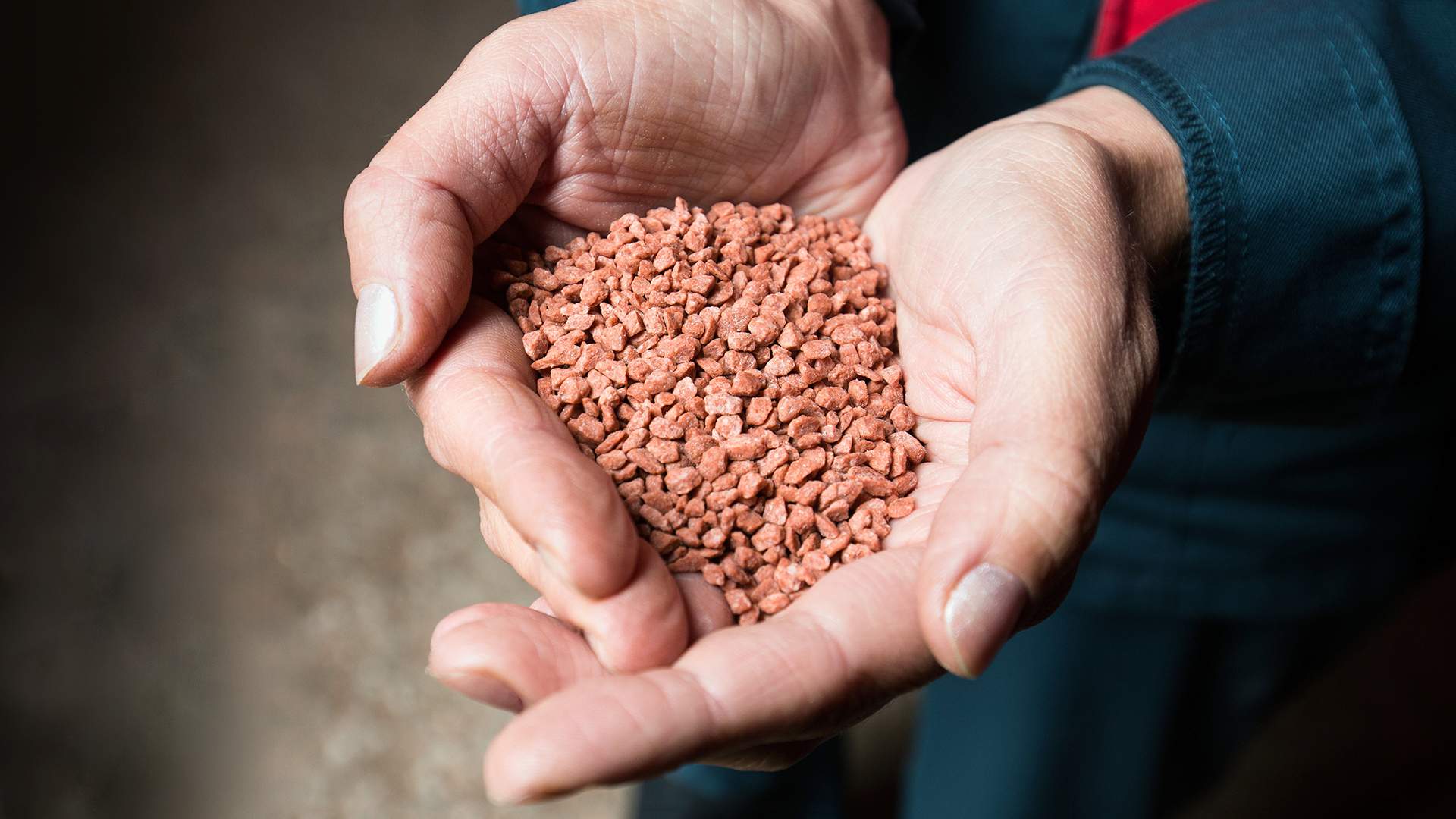
Potash Fertilizers contain soluble potassium salts or potassium compounds as the key nutrient. Some major fertilizers and their characteristics include: - Muriate of potash (KCl): Also known as potassium chloride, it is the most commonly used straight potash fertilizer worldwide. It contains 60% potassium. KCl granules are highly water-soluble and easily absorbed by plants. - Sulphate of potash (K2SO4): Contains 50% potassium and 18% sulphur. Sulphur is another important nutrient for plants. Soluble in water and readily taken up by crops. - Potassium nitrate (KNO3): Contains 13% nitrogen along with 44% potassium. It serves as both nitrogen and potassium source for high value horticultural and specialty crops. - Potassium magnesium sulphate (K2SO4.MgSO4): Supplies potassium (22%), magnesium (11%) and sulphur (18%). Magnesium plays a role in chlorophyll formation and photosynthesis. Matching the right potash fertilizer to specific soil and crop needs ensures balanced and efficient nutrient delivery for maximizing yields. Blending potash sources also supplies supplementary nutrients as per requirements. Benefits of Potash Application Regular potash fertilization brings numerous agronomic and economic advantages: - Increased crop yields: Adequate potassium uptake enhances photosynthesis, metabolism and carbohydrate transport in plants leading to higher biomass accumulation and yields. - Improved crop quality: Potassium promotes fruit development and influences physio-chemical properties like sugar content, taste, color and shelf-life. This boosts market value. - Drought and disease resistance: Potassium helps plants better withstand drought and increases resistance against various fungal, bacterial and viral diseases. - Nutrient use efficiency: Potassium improves uptake and utilization of other nutrients like nitrogen, phosphorus, calcium and magnesium. It enhances their efficiency. - Higher resiliency: Potassium fertilization builds overall plant vigor and resilience to cope with environmental stresses like extreme temperatures. - Economic returns: Timely potash application provides multi-fold returns through increased production and better prices for high quality produce. It proves highly remunerative. Thus incorporating balanced potash fertilization in the overall plant nutrition program is essential for profitable and sustainable agriculture worldwide. Maintaining sufficient soil potassium levels guarantees food safety and security over the long run. Major Potash Producing Countries Canada, Russia and Belarus are the leading global producers and exporters of potash, collectively meeting over 60% of world potash demand. - Canada: It has massive potash reserves located in Saskatchewan province. Five large potash mining complexes produce over 12 million tons annually, making Canada the largest potash supplier internationally. - Russia: Potash deposits in Ural and West Siberia regions fuel Russian potash mining industry. It mines around 10 million tons per year for exports mainly to Brazil, India and China. - Belarus: Located over large evaporite basins, Belarus has emerged as a major player mining over 6 million tons potash per annum. It exports throughout Europe, Brazil and India. - Germany: Its medieval mining areas still yield 3 million tons yearly from Sylvite-dominated deposits. Germany meets European potash needs and also exports. - Israel: Underground mining in Dead Sea area taps shallow potash-rich evaporite beds. Israel produces over 2.5 million tons annually mainly for export. Reliable potash fertilizers from these leading producing countries are critical to satisfy the immense annual fertilizer demands of global agriculture. Ensuring food security worldwide depends on a steady flow of potash to farms.
Discover the Report for More Insights, Tailored to Your Language.
French German Italian Russian Japanese Chinese Korean Portuguese
Money Singh is a seasoned content writer with over four years of experience in the market research sector. Her expertise spans various industries, including food and beverages, biotechnology, chemical and materials, defense and aerospace, consumer goods, etc. (https://www.linkedin.com/in/money-singh-590844163)