LNG as a Marine Fuel
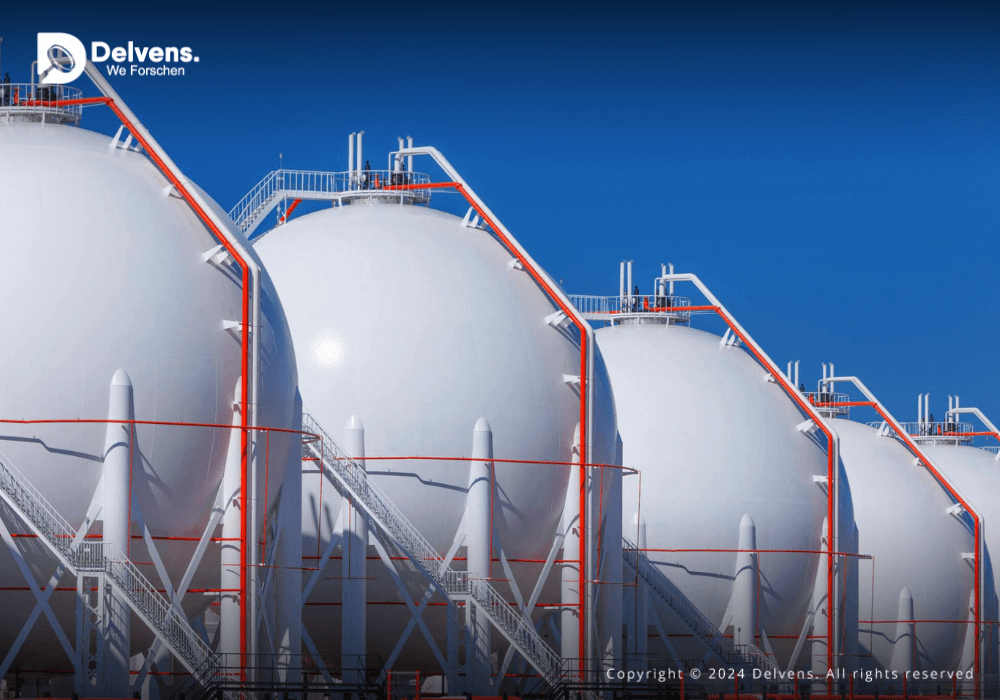
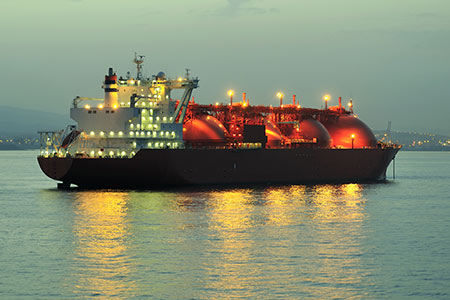
Liquefied natural gas (LNG) is natural gas that has been converted to liquid form for ease and safety of non-pressurized storage or transport. LNG takes up about 1/600th the volume of natural gas in the gaseous state. It is odorless, colorless, non-toxic and non-corrosive. Safety regulations allow LNG carriers to transport and deliver LNG to small and large-scale infrastructure and bunkering vessels. As an alternative fuel for ships, LNG burns cleaner than other bunker fuels like heavy fuel oil. It emits significantly less sulfur oxides, nitrogen oxides, and particulate matter. Transitioning to LNG as a marine fuel aligns with stricter environmental regulations to reduce emissions from ships.
Growth of Liquefaction Terminals and LNG Bunkering Infrastructure
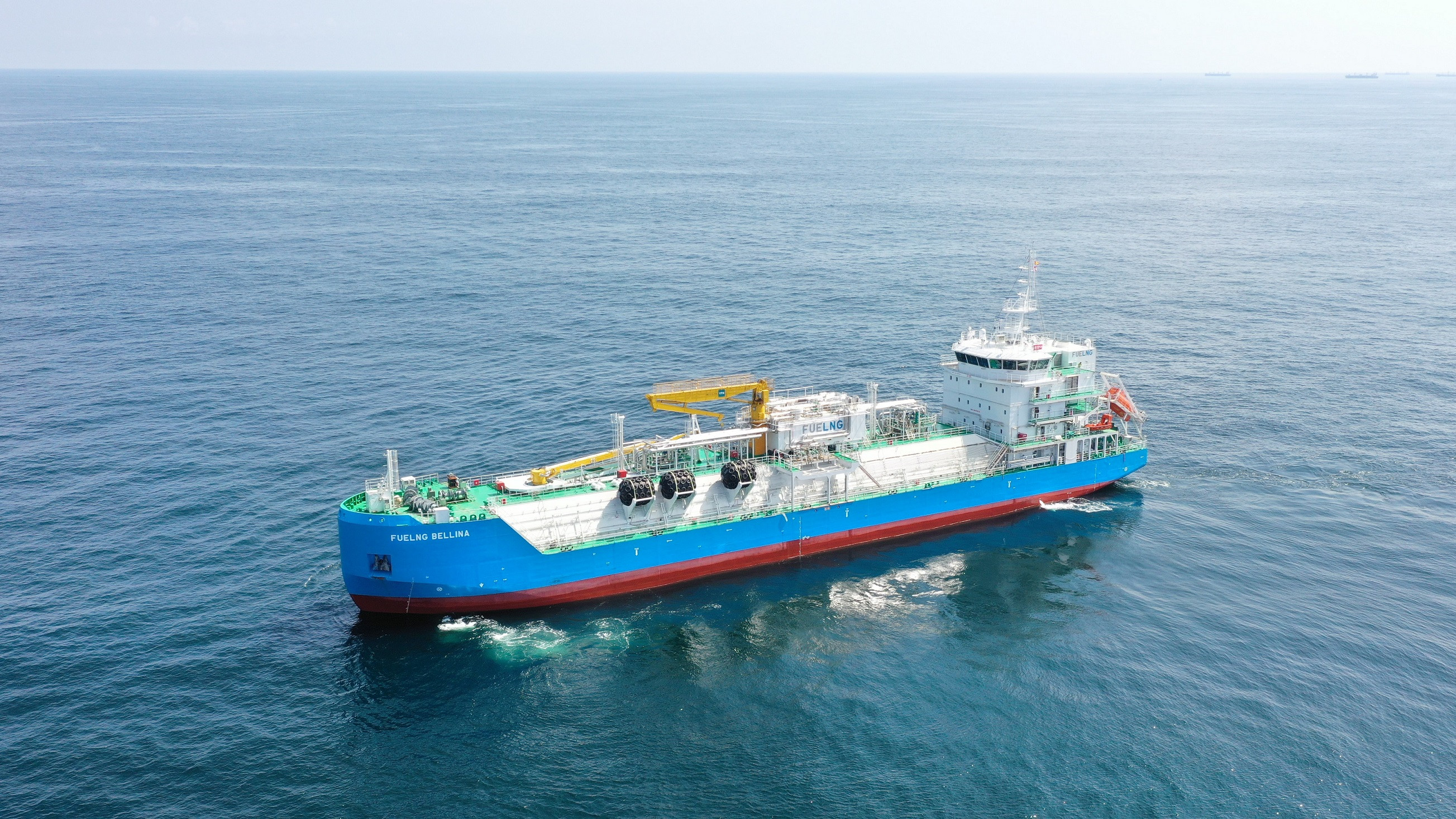
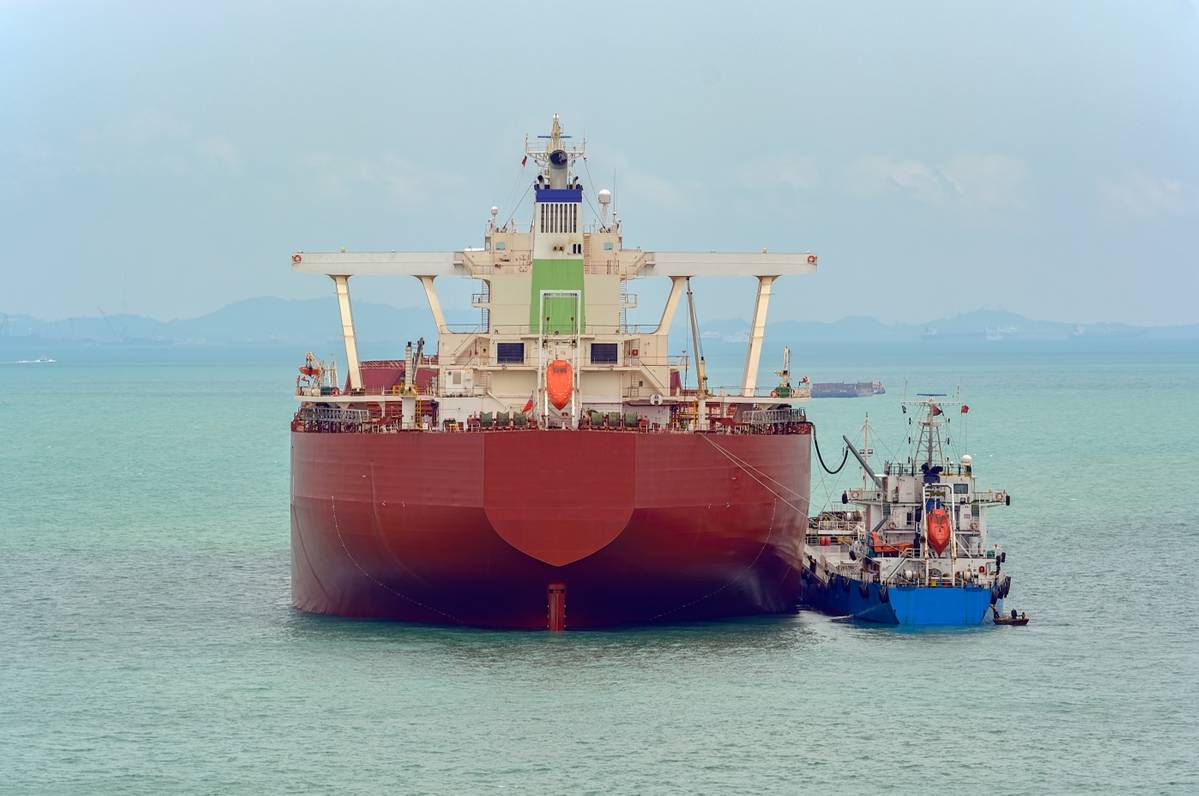
In the last decade, there has been rapid growth in liquefaction terminals that can produce LNG for marine fuel markets. Major oil and gas companies like Shell, Equinor, and TotalEnergies have made strategic investments and partnerships to develop small and mid-scale liquefaction plants near ports. The first LNG Bunkering vessel was delivered in 2017 and since then over 30 dedicated LNG bunker vessels of various sizes have been ordered or are under construction globally. Several ports are developing infrastructure like truck-to-ship and ship-to-ship bunkering facilities that will enable LNG fueled vessels to refuel more easily. Rotterdam, Singapore and other major ports are already facilitating LNG bunkering on a commercial scale.
Fuel Supply Chain and Logistical Challenges
While progress is being made, developing a reliable global supply chain for LNG as a marine fuel still faces challenges. The number of LNG refueling ports is limited compared to conventional fuels. Coordinating LNG deliveries from liquefaction terminals to ports or directly to ships requires careful logistical planning. The number of ships capable of using LNG as a primary fuel is also growing gradually as older ships are replaced or retrofitted. Collaborations across the natural gas, maritime, and infrastructure industries will be important to smoothen LNG logistics and commercial availability on par with conventional fuels over the long run. Standardizing bunkering equipment, processes, and training will contribute further to operational efficiency.
Regulatory Push for Greener Shipping
The global regulatory landscape is a driving force to shift the maritime industry towards decreased greenhouse gas emissions and use of cleaner fuels. The International Maritime Organization's Global Sulphur Cap regulation restricts sulfur content in marine fuel oil to 0.5% maximum since 2020. Additionally, new environmental mandates are pushing ship owners and operators to find carbon-neutral solutions. The European Union has proposed adding shipping to its carbon market by 2025. Consistent policy guidelines and incentive structures would accelerate investments in LNG bunkering as well as technologies like bio-LNG and synthetic LNG derived from renewable energy sources. Strategies to decarbonize shipping through commercialization of zero-emission vessels will rely heavily on availability of clean fuels across global trade routes.
Uptake of LNG powered Vessels
The number of ships capable of using LNG or dual-fuel propulsion systems has been rising each year in line with bunkering infrastructure build-out. Major ship classifications now permit the use of LNG as fuel on various vessel types including container ships, tankers, bulk carriers and car carriers. New ship orders with LNG propulsion systems have been placed by leading operators across segments like cruise ships, ferries and offshore service vessels that run predictable routes near major ports. Some crude oil tankers are also being converted to use LNG for fuel on board. By 2030, forecasts project over 10,000 seagoing vessels may operate on LNG worldwide. Retrofitting of existing ships offers low-carbon fuel solutions to those serving regions lagging in bunkering infrastructure development. Technology providers continuously optimize dual-fuel engines to improve performance.
Economic Factors Influencing LNG Adoption
For ship owners and operators, the business case for LNG depends on multiple financial metrics like fuel cost savings, capital investment required and payback period analysis. LNG as a bunker fuel is presently more expensive than conventional fuels due to higher tank storage costs on ships and limited global supply chain. But long-term price forecasts indicate LNG fuel prices may reduce significantly in the decades ahead. Environmental taxes and penalties for non-compliance with emissions regulations also impact the total cost of ownership of different fuel options. Government supported pilot projects and LNG pricing mechanisms that minimize price volatility would help address economic barriers shippers currently associate with early LNG adoption. Infrastructure investments that maximize vessel berthing utilization can optimize bunkering services delivery.
Widespread LNG Use in Shipping
LNG as a viable marine fuel alternative remains positive, driven by a multi-faceted approach across the value chain. Development of infrastructure for small-scale LNG production and bunkering is gathering pace globally in line with environmental protection goals. Ship owners are integrating LNG fueled newbuilds into their fleet expansion plans to comply with regulatory roadmaps and futureproof operations. Major classification societies actively support the transition by classifying LNG fueled ships and bunker vessels. Standardization of technical, operational and training requirements facilitates safe handling and commercialization at scale. Overall, coordinated efforts by industry and governments should help realize the full potential of LNG to decarbonize international shipping fuel demand in the decades to come.
For Deeper Insights, Find the Report in the Language that You want.
About Author:
Money Singh is a seasoned content writer with over four years of experience in the market research sector. Her expertise spans various industries, including food and beverages, biotechnology, chemical and materials, defense and aerospace, consumer goods, etc. (https://www.linkedin.com/in/money-singh-590844163)