






A fulfilling career is one that not only meets your financial needs but also aligns with your passions, strengths, and values. Attaining career clarity is a process that involves understanding yourself deeply, setting meaningful goals, and making informed choices. By focusing on self-awareness, you create a career path that resonates with your true self, leading to long-term satisfaction and growth.
The Importance of Self-Awareness in Career Development
Self-awareness is the foundation of a purposeful career. Knowing your strengths, weaknesses, and preferences allows you to choose roles and work environments that align with who you are. For example, if you’re highly detail-oriented, you might find fulfillment in careers that require precision, such as data analysis or quality assurance. Self-awareness also helps in recognizing areas where you may need improvement, setting the stage for personal and professional growth. Through introspection and self-assessment tools, you can gain valuable insights that guide your career choices.
Identifying Core Values for Greater Job Satisfaction
Values are the guiding principles that drive our decisions and actions. When you identify and align your career with your core values, work becomes more than a means to earn—it becomes a source of personal fulfillment. For instance, if you value creativity, seeking roles in design or content creation might bring satisfaction, whereas a position with limited creative freedom may feel restrictive. Knowing what matters to you most helps in finding roles that allow you to live out those values daily, enhancing motivation and job satisfaction.
Recognizing Strengths and Using Them to Your Advantage
Understanding your strengths is essential for building confidence and positioning yourself effectively in the job market. Your strengths might include technical skills, like proficiency in a software program, or soft skills, like empathy and communication. By identifying these strengths, you can focus on roles that allow you to excel and contribute meaningfully. Additionally, showcasing your strengths in interviews and networking situations makes you a more attractive candidate, as you’re able to articulate the unique value you bring.
Viewing Weaknesses as Opportunities for Growth
Weaknesses aren’t limitations; they’re opportunities to learn and develop new skills. Being honest about areas where you may lack proficiency helps in identifying areas for improvement. For example, if you find that public speaking is challenging, taking a course or practicing with smaller groups can boost your confidence and skill level. By focusing on growth in areas of weakness, you increase your professional versatility, which is a valuable asset in a competitive job market. Embracing this proactive approach to self-improvement also fosters resilience, making it easier to adapt to change.
Setting Goals for Professional Development
Goal setting is an essential part of career planning. Clear, achievable goals give direction and purpose, making it easier to measure progress. For instance, a short-term goal might be to complete a certification course, while a long-term goal could involve advancing to a managerial position. These goals serve as benchmarks, allowing you to assess your growth and adjust your career plan as needed. Regularly reviewing and updating your goals ensures that they remain relevant to your evolving interests and the demands of the job market.
The Role of Networking in Career Advancement
Networking offers a wealth of opportunities for personal and professional growth. Building connections with industry peers, mentors, or colleagues can provide insights into different career paths and help you gain advice on overcoming common challenges. Networking events, social media platforms, and professional associations are valuable resources for expanding your network. This support system not only offers encouragement but also exposes you to job openings and career opportunities that may not be widely advertised. Networking helps you stay informed about industry trends, allowing you to make strategic career decisions.
Adapting to a Changing Job Market
Adaptability is an invaluable skill in today’s dynamic job market. As industries evolve, professionals who embrace change are more likely to thrive. Being open to learning new skills or exploring different roles can help you stay competitive, regardless of shifts in your field. For example, if there’s a growing demand for digital skills in your industry, proactively acquiring knowledge in this area can position you as a valuable asset. Staying flexible not only improves your job prospects but also enriches your career experience, allowing you to seize new opportunities as they arise.
Conclusion: Creating a Career That Reflects Your True Self
Achieving career clarity involves a commitment to self-awareness, goal setting, and adaptability. By building a career that aligns with your strengths, values, and goals, you create a professional life that’s both satisfying and meaningful. Remember, your career journey is uniquely yours; it’s a path that evolves as you grow and learn. Embrace each step as an opportunity to discover path toward a career that reflects your true self, providing fulfillment and growth for years to come.



Here are some points that give you an idea about How Will Your Career Affect When You Approach the Wrong overseas education center.
https://www.overseasstudyprogram.com/how-will-your-career-affect-when-you-approach-wrong-education-consultants/best overseas education consultants, education overseas, education overseas academy review, overseas education center

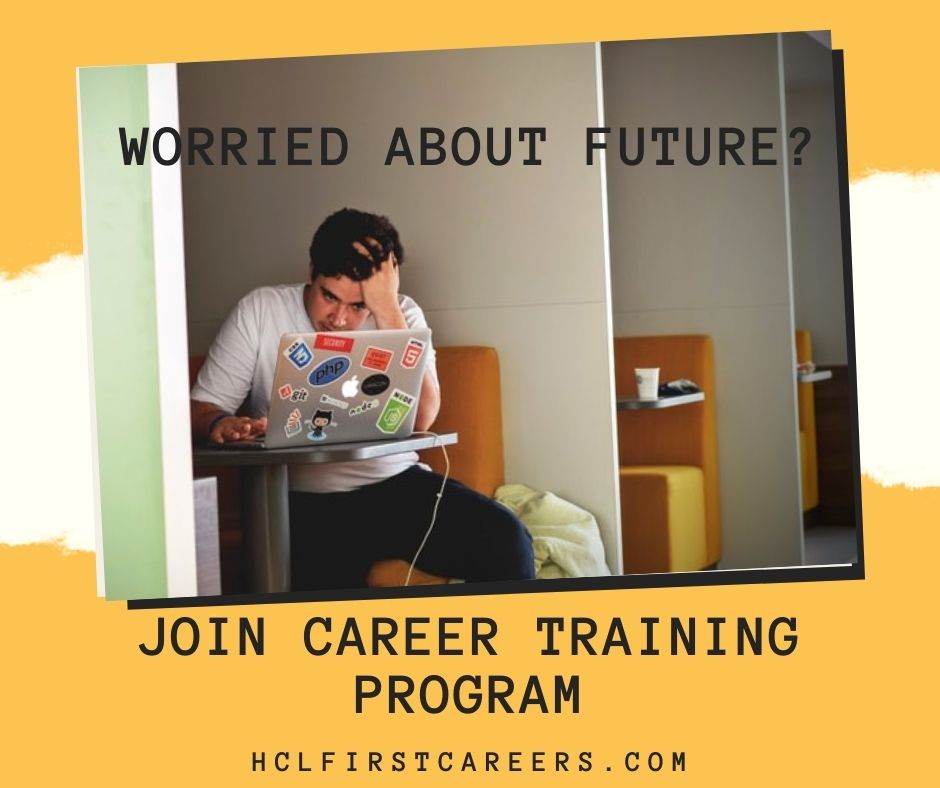
With the markets returning to normalcy post-pandemic, the students need to enrol in courses that provide them with an instant nudge for employment, especially those offering Job training with a stipend.Such courses have increased manifold post the pandemic when the market has dropped and adopted new trends.
For those looking for such job training options with a stipend, HCL Techbee is an excellent option.
The ‘Early Career Program’ has an excellent offering for students willing to gain financial independence after 12th, immediately after completing schooling.
This would be a smarter choice for several validated reasons as a student can make a stable career and start better than their peers.The Early Career program is an integrated course with exclusive job training programs for freshers who have just completed schooling and seek full-time employment.During the program, candidates strictly undergo a 12-month on-job training program that prepares them for entry-level positions in the IT industry.
Once the applicants complete the program, they can seek full-time employment opportunities at HCL.
TechBee trainees are free to enrol on a degree course at higher education institutions in India like BITS Pilani or SASTRA University.