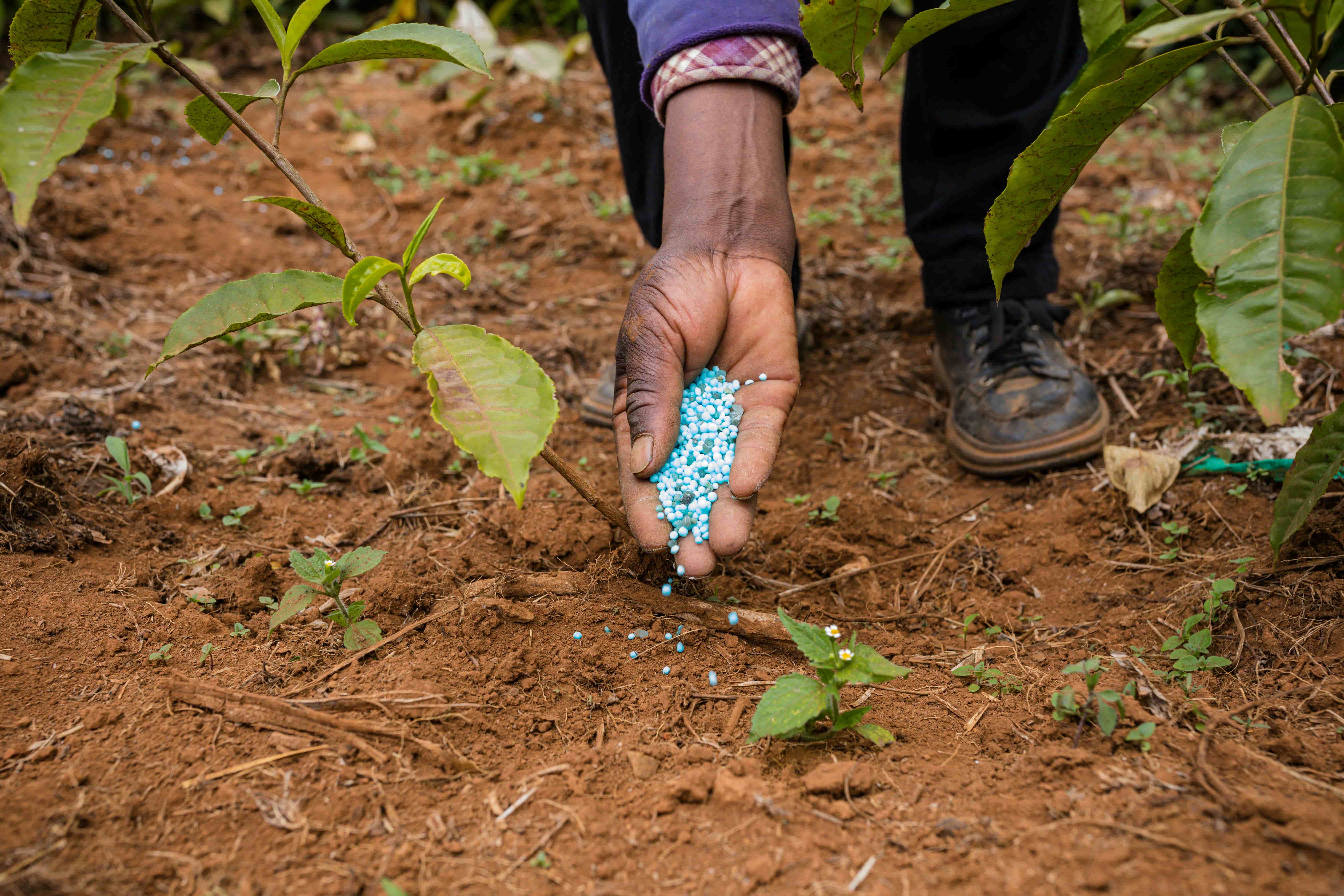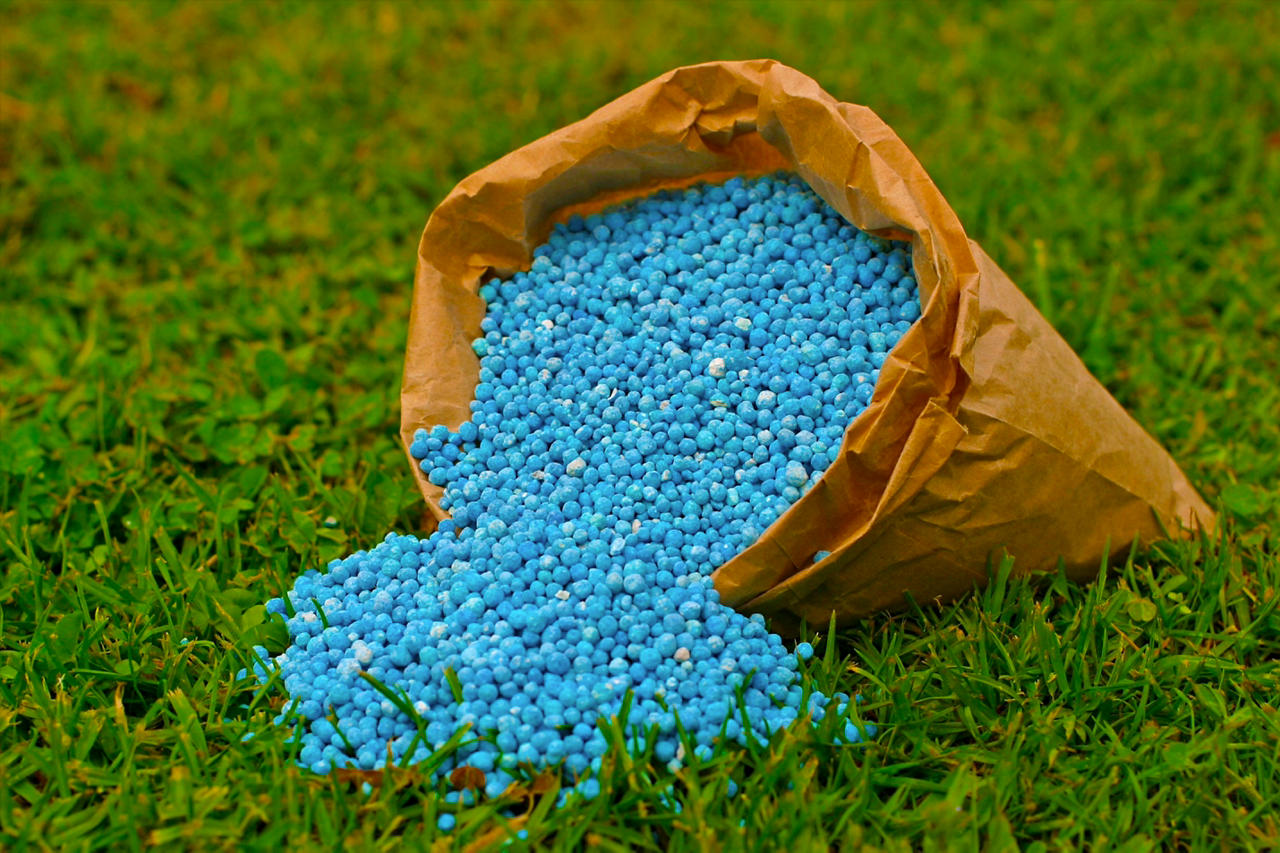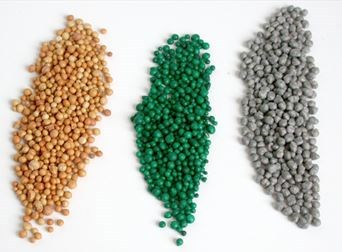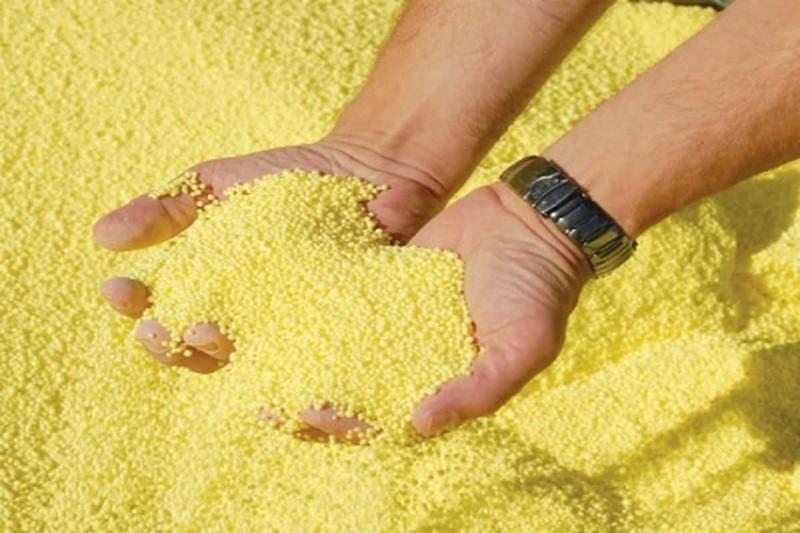
Slow Release Nitrogen Fertilizers Sulfur coated urea (SCU) is a slowly dissolving controlled release fertilizer. The urea prill is coated with a thin layer of elemental sulfur which controls the release of nitrogen into the soil. As soil microbes slowly break down the sulfur coating, nitrogen is released over an extended period in plant-available forms. This slow and steady release pattern matches nitrogen demands of crops more closely than conventional soluble fertilizers like urea. SCU prevents loss of nitrogen through volatilization and leaching compared to non-coated urea. Elemental sulfur coating creates an acidic microenvironment around the urea prill which inhibits hydrolysis of urea to ammonium until the coating is degraded by soil microbes. This delays the conversion of urea to forms susceptible to volatility and leaching losses. The slow release of nitrogen means less fertilizer is needed compared to traditional fertilization programs. Manufacturing Process Sulfur Coated Urea production begins with prilling of urea melt to form spherical particles about 3-4mm in diameter. The hot urea prills are then tumble coated with a slurry of molten elemental sulfur at 130-160°C. As the coated prills cool and the sulfur solidifies, it forms a continuous shell around each prill ranging from 0.1-0.5mm thick. Modern rotating drum coaters can apply sulfur coatings in a continuous process at a rate of several tons per hour. After coating, sulfur coated urea is cured for 2-4 weeks to allow the sulfur shell to stabilize. Curing may involve storing coated granules in environmental control rooms or placing outdoors under cover. Properly cured SCU has good shelf life stability and controlled nitrogen release over several months in soil. Quality control checks are done to ensure thorough and uniform coating thickness for consistent fertilizer performance in the field. Mechanism of Nitrogen Release When SCU is surface applied or blade mixed into soil, the sulfur coating creates an impermeable physical barrier surrounding the urea prill. Oxygen, water and soil microbes cannot access the urea. Over time soil microbes colonize the sulfur surface and metabolize it as an energy source. Their enzymatic activity breaks the long chained sulfur molecules into smaller fragments and sulfates. As microfissures and pores develop in the degrading sulfur coat, oxygen and water begin to penetrate into the prill interior. Urease enzymes secreted by microbes then catalyze the hydrolysis of urea into ammonium carbonate. Ammonium carbonate readily dissociates into ammonium (NH4+) and carbonate (CO32-) ions. Ammonium, the plant-available form of nitrogen, is released through microscopic cracks and pores in the deteriorating sulfur envelope over 4-6 weeks as microbes continue to metabolize the coating. Environmental Benefits SCU provides several agronomic and environmental benefits compared to non-coated urea and other quick release nitrogen fertilizers: - Slow and Extended N Release: Nitrogen is released steadily over 4-6 weeks to match crop demand rather than in a large initial burst. Less total N is lost through leaching or volatility. - Higher N Use Efficiency: With less N lost, crops can utilize a higher percentage of the nitrogen applied. Research shows Coated Urea increases nitrogen uptake and crop yields by 10-15% compared to urea. - Reduced Leaching Potential: The slow release of N minimizes the amount of mobile nitrate in soil at any one time which reduces leaching losses through the soil profile especially in heavy rainfall or irrigation events. - Lower Nitrous Oxide Emissions: Volatile nitrogen losses from SCU are much lower than urea. This decreases atmospheric emissions of the potent greenhouse gas nitrous oxide formed during nitrification-denitrification cycles in soil. - Less Runoff Risk: SCU nitrogen is released gradually matching crop needs. This limits surplus nitrate accumulation in soil and potential for nitrogen transport in surface runoff to pollute water bodies. Extended Storage Life Once cured, SCU retains stable agronomic qualities for extended periods compared to urea. Laboratory studies show SCU retains 90% of its nitrogen content after 24 months of storage in ambient conditions. Proper curing of the sulfur coating during manufacture endows SCU with excellent shelflife even when exposed to humidity, fluctuations in temperature and mechanical damage during transportation and handling. This long term stability allows farmers to pre-purchase fertilizer supplies in the off-season when prices are lower or incentives are available and store SCU for up to two years with confidence in its performance consistency during application. The slow nitrogen release characteristics remain intact long after production. This storage life benefit makes SCU an economical and reliable option for large scale agricultural operations. Field Performance Field research trials across North America, Europe and Asia demonstrate that SCU provides equivalent or higher crop yields compared to non-coated urea while utilizing 10-15% less total nitrogen. Cereal grains, corn, sugarcane, fruit/vegetable and turfgrass crops have all exhibited improved nitrogen uptake and utilization efficiency with SCU fertilization programs. Studies in Canada on winter wheat showed a 13% increase in total nitrogen uptake from SCU versus urea with equivalent grain yields. Corn field trials in Nebraska record nitrogen use efficiencies of 65-75% for SCU against only 45-60% for urea. Reduced nitrogen losses mean less environmental contamination while realizing high economic returns for growers. Producers especially appreciate the flexibility and security of using SCU in regions vulnerable to volatile or leaching conditions. Future Outlook With the agricultural industry's focus growing on sustainability and reducing environmental impacts, sulfur coated urea is poised to play an increasingly important role as fertilizer technology evolves. Its inherent advantages lend it well to precision and controlled release applications in diverse cropping systems worldwide. Ongoing research also explores optimizing sulfur coating compositions and structures to precisely tune nitrogen release kinetics matched to specific crops.
Sulfur-coated urea (SCU) technologies represent a significant advancement in the field of agricultural fertilization, offering a more efficient and sustainable approach to nutrient management. By encapsulating urea granules with a sulfur-based coating, SCU provides controlled-release properties that regulate the gradual release of nitrogen into the soil, matching the nutrient demands of growing crops. This controlled-release mechanism minimizes nitrogen losses through leaching and volatilization, reducing the risk of environmental pollution and optimizing fertilizer efficiency. Additionally, SCU technologies contribute to improved soil health by promoting microbial activity and enhancing nutrient uptake by plants, ultimately leading to higher crop yields and greater agricultural productivity.
Discover the Report for More Insights, Tailored to Your Language.
French German Italian Russian Japanese Chinese Korean Portuguese
Money Singh is a seasoned content writer with over four years of experience in the market research sector. Her expertise spans various industries, including food and beverages, biotechnology, chemical and materials, defense and aerospace, consumer goods, etc. (https://www.linkedin.com/in/money-singh-590844163)