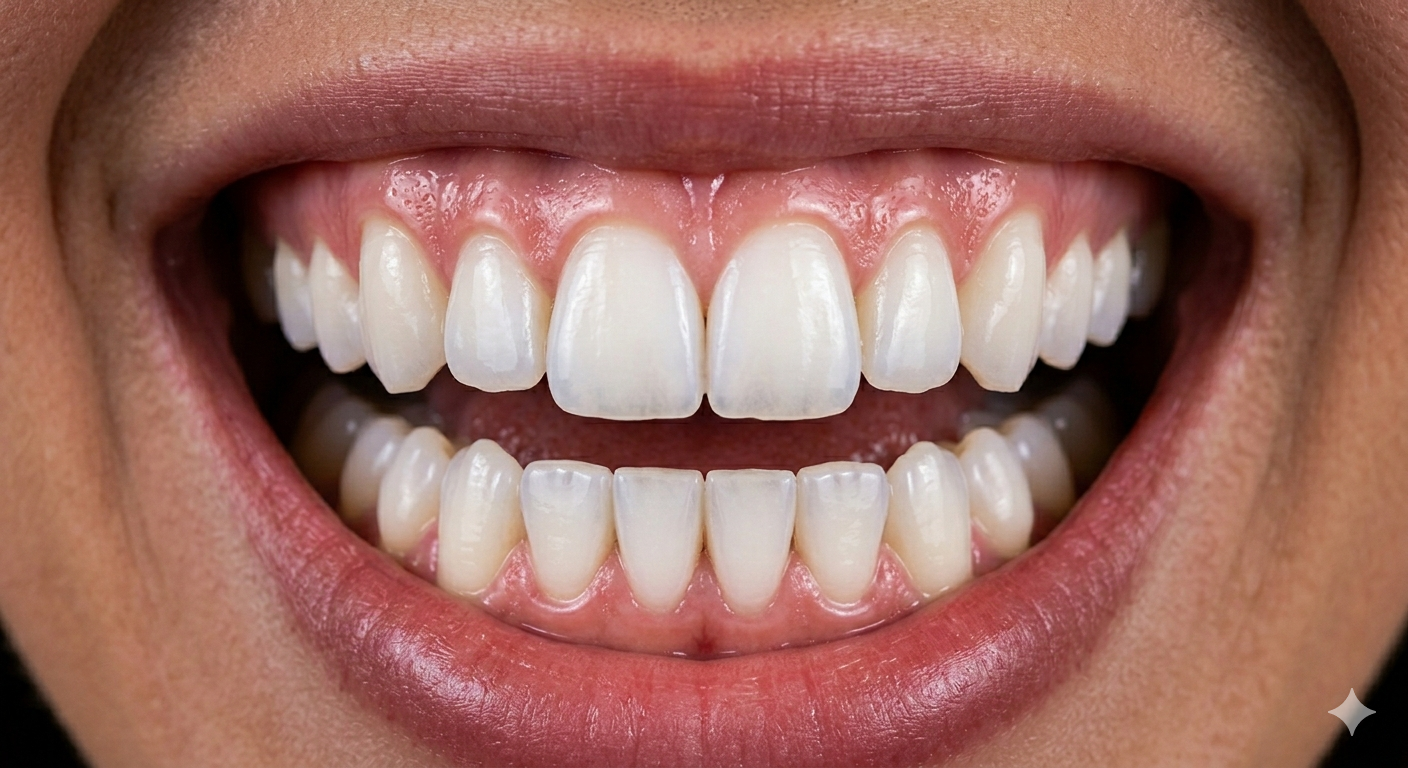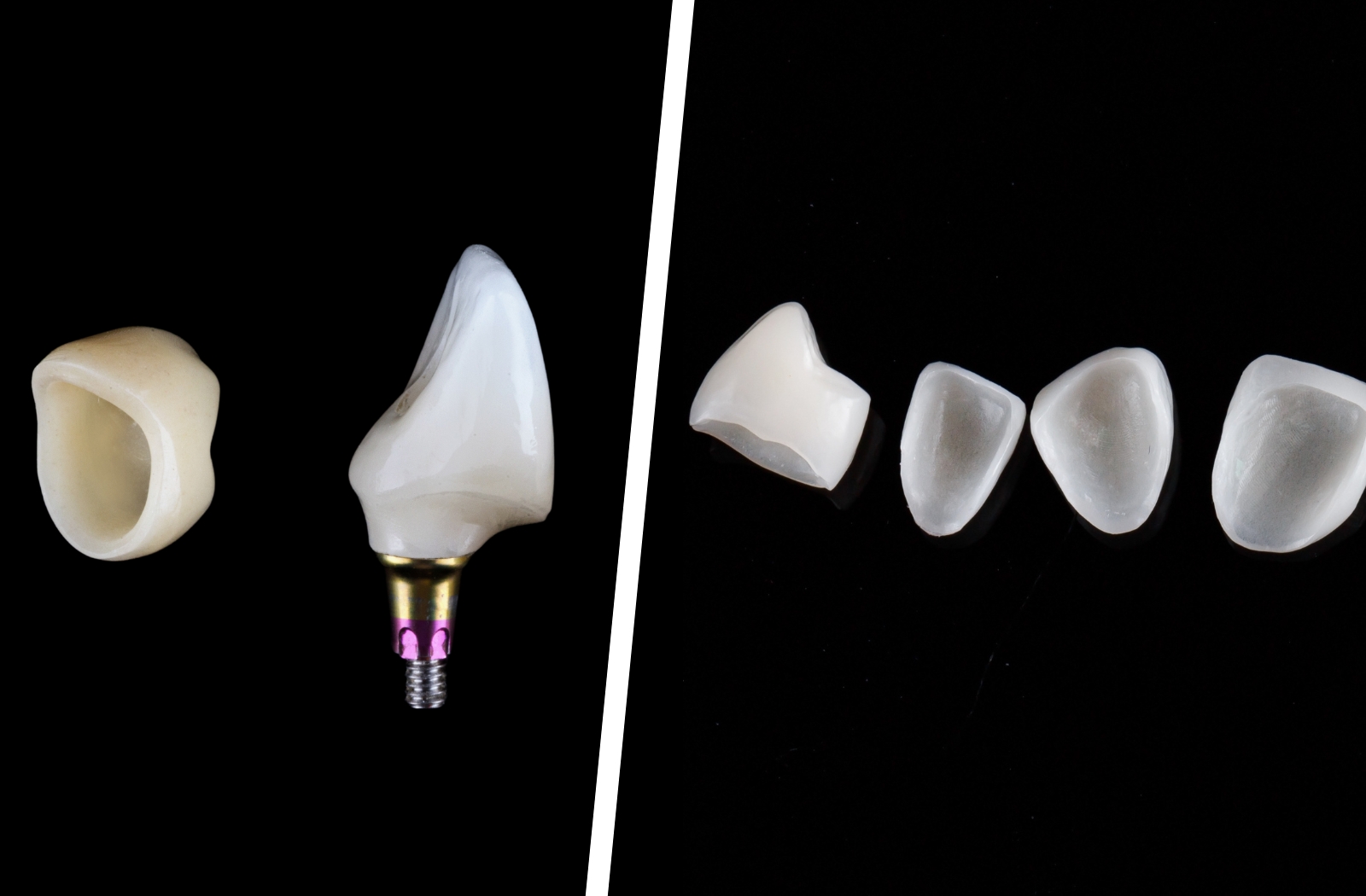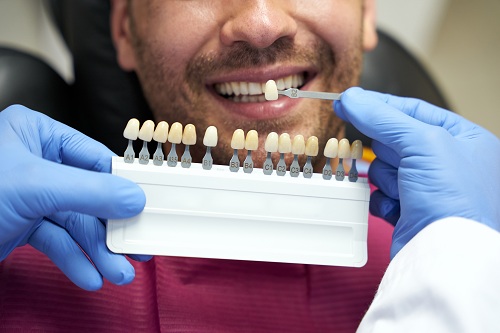
Porcelain veneers are a popular solution for achieving a flawless smile. These thin, custom-made shells are bonded to the front of your teeth to improve their appearance, offering a bright, natural-looking smile that can last for many years. However, like any dental treatment, porcelain veneers require proper care to ensure their longevity and continued performance. In this article, we’ll explore how to maintain your porcelain veneers to keep them looking their best for as long as possible.
1. Practice Good Oral Hygiene
While porcelain veneers are stain-resistant, maintaining overall oral health is essential to keep them in top condition. Regular brushing and flossing will help prevent plaque buildup and gum disease, both of which can negatively affect the longevity of your veneers. It’s important to brush your teeth twice a day with fluoride toothpaste, paying special attention to the area around the edges of your veneers. This helps to prevent the accumulation of plaque and tartar, which can weaken the bond between your veneers and natural teeth over time.
Flossing daily is also crucial for cleaning between your teeth and under the gum line, where a toothbrush might not reach. If you have trouble flossing with regular dental floss, consider using floss threaders or an interdental brush to clean effectively.
2. Avoid Hard and Sticky Foods
Porcelain veneers are durable, but they are not indestructible. Biting into hard or sticky foods can put stress on your veneers, potentially leading to cracks or chips. To protect your smile, it’s a good idea to avoid chewing on hard items like ice, nuts, or hard candies. Sticky foods, such as caramel or chewing gum, can also adhere to your veneers and may cause them to become dislodged or damaged.
If you accidentally bite into something hard, be cautious about any discomfort or movement of your veneers. It's important to address any issues early to prevent further damage.
3. Use a Mouthguard for Sports or Teeth Grinding
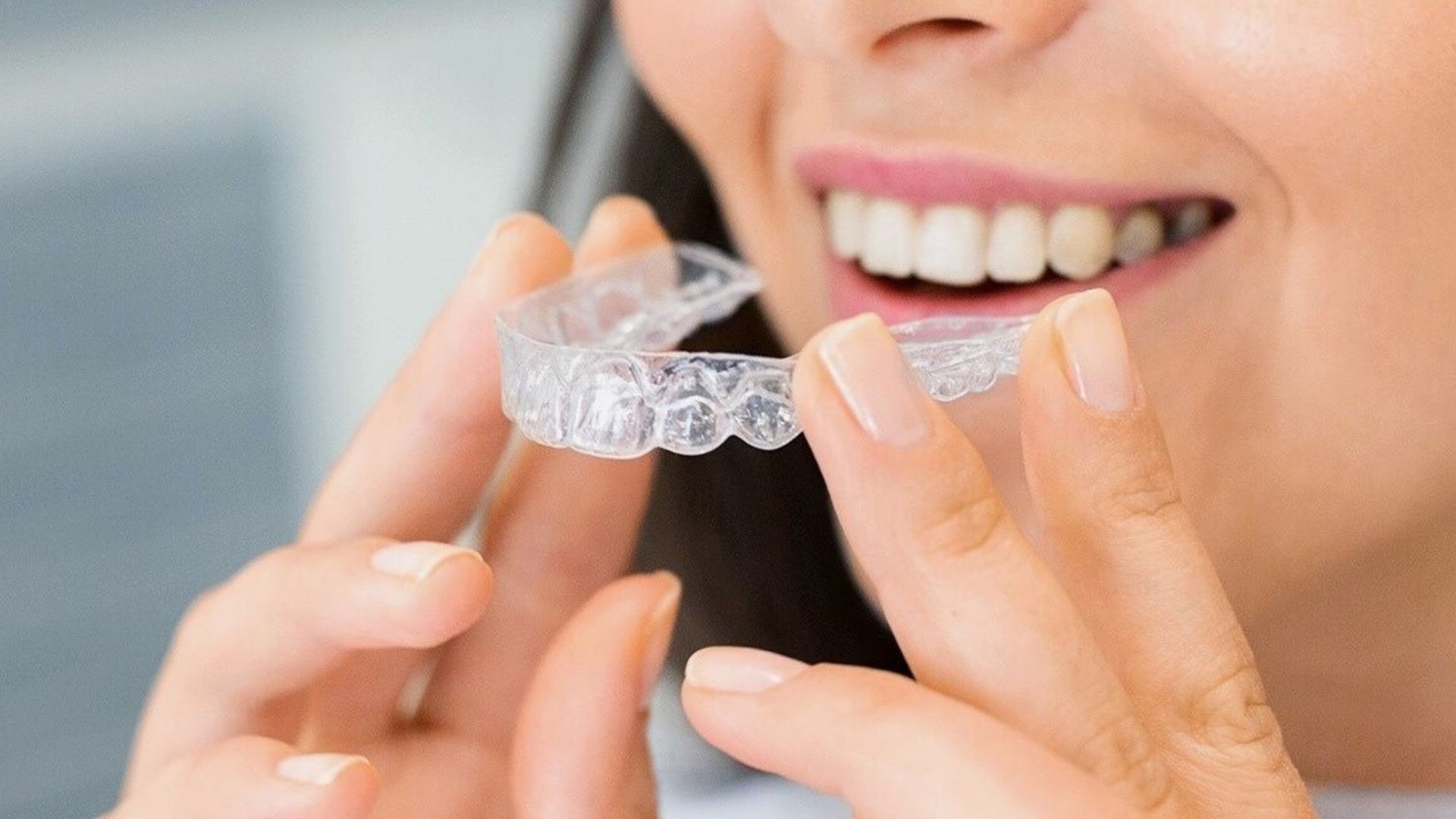
If you play sports or grind your teeth at night, it’s essential to protect your porcelain veneers. Sports-related injuries can damage your veneers while grinding or clenching your teeth can cause unnecessary wear. A custom-fitted mouthguard can protect your veneers and natural teeth from these types of damage. Your dentist can provide you with a high-quality mouthguard that fits comfortably and offers optimal protection.
Teeth grinding, or bruxism is often caused by stress or misalignment of the jaw. If you suffer from this condition, your dentist may recommend a nightguard to wear while you sleep, helping to protect your veneers and alleviate the pressure on your teeth.
4. Regular Dental Checkups
Regular visits to your dentist are key to maintaining the health and longevity of your porcelain veneers. During routine dental checkups, your dentist will inspect your veneers for any signs of damage or wear. They’ll also check the condition of your gums and natural teeth to ensure that everything is in good health.
While porcelain veneers are strong, they can become loose over time due to natural wear or issues with the bonding material. If your dentist notices any problems, they can address them early before more significant damage occurs. Additionally, professional cleanings help maintain the appearance of your veneers and remove any buildup that may have accumulated over time.
5. Avoid Staining Foods and Beverages
Although porcelain veneers are resistant to stains, they are not entirely immune to discoloration over time. Staining foods and beverages like coffee, tea, red wine, and berries can cause a gradual buildup of surface stains on the veneers, affecting their overall appearance. To preserve the bright, white look of your smile, it’s a good idea to limit your intake of these staining foods or beverages.
If you do consume stain-causing items, try to brush your teeth afterward, or rinse your mouth with water to reduce the chances of staining. You can also consider using a straw for beverages like coffee and soda, which can help minimize contact with your veneers.
6. Don’t Use Your Teeth as Tools
One of the most common causes of damage to porcelain veneers is using your teeth to open packages, remove bottle caps, or perform other tasks they weren’t designed for. Using your teeth as tools can put unnecessary stress on your veneers and potentially cause them to crack or break. Always use proper tools for tasks like opening packages, and avoid biting down on non-food items.
7. Address Issues Promptly
If you experience any issues with your porcelain veneers, such as discomfort, sensitivity, or a veneer that feels loose, don’t wait to address the problem. Early intervention can prevent more significant issues and ensure that your veneers remain in top condition for years to come. If a veneer chips or becomes damaged, your dentist may be able to repair or replace it with minimal disruption to your smile.
8. Consider Professional Touch-Ups
Over time, your porcelain veneers may need some maintenance to restore their original appearance. Professional touch-ups, such as polishing or reshaping, can help maintain their shine and smoothness. Your dentist can also make adjustments to your veneers if they’ve become worn down or if there have been any changes to your smile.
Conclusion
Porcelain veneers are a fantastic investment in your smile, providing a natural-looking, long-lasting solution for cosmetic dental concerns. By following these simple maintenance tips, you can keep your veneers looking beautiful and ensure they last for many years. Maintaining good oral hygiene, protecting your veneers from damage, and visiting your dentist regularly are all essential steps to preserving the results of your smile makeover. With proper care, porcelain veneers can help you enjoy a bright, confident smile for years to come.