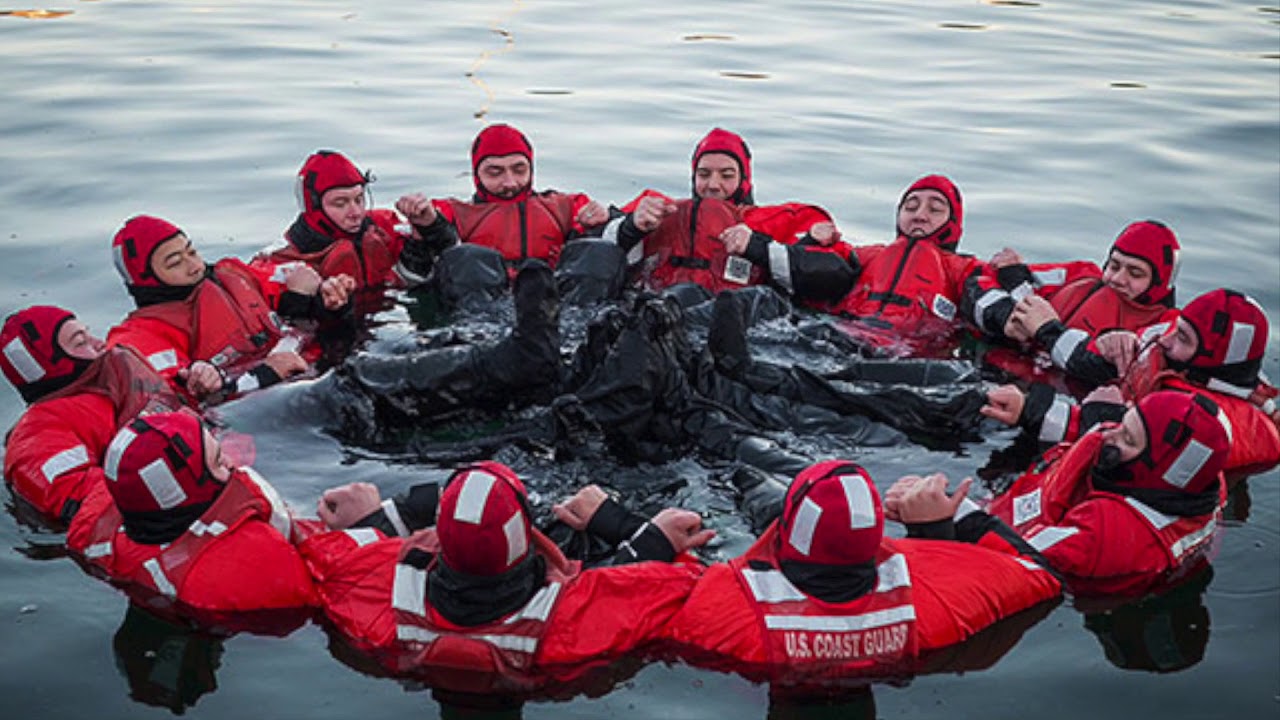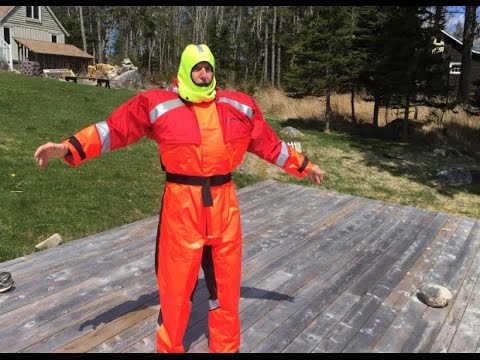
Types of Immersion suits There are a few main types of Immersion suits designed to keep the wearer safe and warm in harsh conditions. Drysuits are made from waterproof materials like neoprene or rubber and are most effective in water-based activities like scuba diving, paddle boarding, or whitewater rafting. They are fully waterproof and include seals at the wrists, ankles, and neck to prevent water from entering. Though bulky, drysuits allow freedom of movement in the water while defending against hyperthermia. Thermal Immersion suits are thicker insulated suits intended for land-based emergencies or rescue operations in frigid environments. These suits trap body heat using multiple fabric layers and insulation like down or synthetic fills. Some feature removable insulated lining layers for versatility. The outer shell is breathable and wind/water resistant but not fully waterproof like a drysuit. Thermal suits provide insulation even if wet but must be dried out after prolonged exposure to moisture. Immersion Survival Suits take thermal protection a step further. Made for hazards like oil rig work or offshore fishing, they are designed to help keep the wearer floating and alive should they end up in cold water. In addition to extreme thermal insulation, these bulky suits have built-in flotation devices like foam panels or inflatable chambers around the torso and legs. Some even include a hood that automatically inflates when submerged. Immersion suits drastically slow heat loss upon entering cold water and buy time for rescue. Materials and Features Survival Suit utilize technical fabrics engineered for specific purposes. Drysuits often use reinforced neoprene or butyl rubber coated nylon that stretches for freedom of movement without sacrificing watertight integrity. The seals at joints also play a critical role in preventing leaks. Thermal suits layer breathable polyester or nylon shells with thick wool, fleece, hollofibre, down, or synthetic fills for insulation even when wet. Some include a durable water repellent (DWR) finish to further resist moisture penetration. Immersion suits go a step further with inflatable chambers and integrated flotation. They are made from breathable, durable and abrasion-resistant materials like coated nylon that can withstand rough conditions without tearing. Critical seams are taped or welded for waterproofness. Modern high-tech suits have automatic inflation mechanisms activated by submersion as well as manual inflation toggles. Some even include reflective tape, locator beacons, lights or other safety features beyond warmth and flotation. Fit and comfort are other important factors. Neoprene tends to stretch for easy movement while thicker insulated suits offer looser fits to allow insulating air gaps. Adjustable closures like zippers and straps allow a customized fit over layers. Hoods offer face protection from spray or wind. Gloves and boots often come standard or are sold separately to complete the system. Storage bags make suits compact when not in use. Overall, safety and performance depend highly on choosing a suit tailored for the intended environment and hazards. Maintenance and Storage Properly caring for Survival Suit extends their lifespan and readiness for emergencies. Following the manufacturer's guidelines is critical. Cleaning removes contaminants that degrade materials over time. Rinsing with fresh water is often sufficient for immersion suits but drysuits may require mild detergent. Thoroughly drying in a well-ventilated area after each use is essential to prevent mold growth. Storing unrinsed Immersion suits can lead to musty odors and deterioration, so completely drying is a high priority. Rolling rather than folding helps maintain shape and prevents creases. Placing in breathable storage bags keeps dust and pests away. Regular inspections check for worn spots, tears or damaged seals and identify parts needing replacement. Patch kits are available for basic field repairs to drysuits. When not in use, storing at moderate room temperature out of direct sunlight protects suits until needed. Proper care extends gear lifespan significantly over the years. Training and Preparation While advanced safety gear, Immersion suits must be used correctly to be effective. Training addresses proper donning and doffing techniques, adjusting fits, and inspecting gear readiness. Donning drills practice speed and efficiency needed in emergency scenarios. Immersion suit training covers activities like boarding life rafts while inflated or swimming with limited mobility. Understanding water entry methods minimizes chances of inhaling water. Safe boating, diving or industrial work requires thorough pre-departure suit checks. Stowage on vessels ensures quick access. As extreme conditions can disable even the best-prepared, extra safety measures like buddy systems, emergency beacons and emergency plans maximize survival odds. Constant refreshers maintain crucial donning skills that may make the difference between life and death. Mastery of one's survival equipment through dedicated training gives the best chance of prevailing should disaster strike in remote areas. Preparation significantly increases survivability when every second counts.
Select the language you're most comfortable with-
About Author-
Money Singh is a seasoned content writer with over four years of experience in the market research sector. Known for her strong SEO background, she skillfully blends SEO strategies with insightful content. Her expertise spans various industries, including food and beverages, biotechnology, chemical and materials, defense and aerospace, consumer goods, etc. (https://www.linkedin.com/in/money-singh-590844163)