



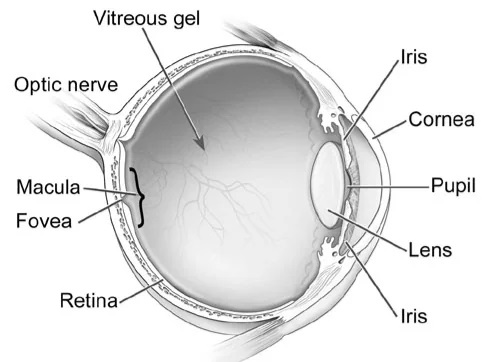
Vitreoretinal surgery is a highly specialised form of eye surgery focused on treating conditions that affect the retina and vitreous. The retina is the light-sensitive layer at the back of the eye, essential for capturing visual information, while the vitreous is the clear gel that fills the eye. When issues arise in these critical areas, vision can be severely affected, sometimes leading to permanent damage if not treated promptly. Vitreoretinal surgery offers a range of procedures aimed at preserving or restoring vision in patients suffering from various retinal and vitreous conditions.
One of the most common reasons for undergoing vitreoretinal surgery is a detached retina. This occurs when the retina separates from its underlying tissues, often resulting in a significant loss of vision. A detached retina is considered a medical emergency, and prompt surgical intervention is crucial to prevent permanent vision loss. Vitreoretinal surgeons use specialised techniques to reattach the retina, helping to restore vision and prevent further complications.
In addition to treating retinal detachments, vitreoretinal surgery is also commonly performed for conditions such as macular holes, epiretinal membranes, and diabetic retinopathy. Macular holes are small breaks in the macula, the central part of the retina responsible for detailed vision. Left untreated, a macular hole can cause significant vision loss. Vitrectomy, a common vitreoretinal procedure, is used to repair macular holes and other similar conditions by removing the vitreous gel and allowing the retina to heal.
The thought of undergoing eye surgery can be daunting, but understanding what to expect can help alleviate some of the anxiety associated with the procedure. Vitreoretinal surgery is typically performed under local anaesthesia, although general anaesthesia may be used in certain cases. During the surgery, the patient remains awake but will not feel any pain due to the anaesthetic. The procedure can take anywhere from one to several hours, depending on the complexity of the condition being treated.
In many cases, vitrectomy is a central part of vitreoretinal surgery. During a vitrectomy, the surgeon carefully removes the vitreous gel from the eye to access the retina. This allows the surgeon to repair damage, remove scar tissue, or reattach a detached retina. Once the necessary repairs are made, the vitreous is usually replaced with a saline solution, air, or a gas bubble that helps the retina to heal properly.
Following vitreoretinal surgery, it is normal to experience some discomfort, such as mild pain, redness, or a gritty sensation in the eye. These symptoms are usually temporary and can be managed with prescribed medications. Your eye surgeon will provide detailed post-operative care instructions to ensure proper healing and prevent complications. It is essential to follow these instructions closely to achieve the best possible outcome.
The recovery period after vitreoretinal surgery varies depending on the procedure performed and the patient’s overall eye health. In some cases, patients may need to maintain a specific head position for several days to ensure the retina heals correctly, particularly if a gas bubble was used during surgery. It is crucial to follow these positioning instructions carefully to avoid any complications and promote optimal healing.
One of the key benefits of vitreoretinal surgery is its ability to prevent further vision loss and, in many cases, restore lost vision. However, the success of the surgery often depends on the severity of the condition and the timing of the intervention. Early diagnosis and prompt treatment are essential to achieving the best outcomes. If you notice symptoms such as sudden flashes of light, floaters, or a curtain-like shadow over your vision, it is crucial to seek immediate medical attention.
Advancements in surgical techniques and technology have significantly improved the success rates of vitreoretinal surgery. Today’s surgeons use high-precision instruments and advanced imaging technologies to perform delicate repairs on the retina and vitreous. This allows for better outcomes and shorter recovery times for patients, making the surgery safer and more effective than ever before.
It is natural to have concerns about the potential risks associated with any surgical procedure. While vitreoretinal surgery is generally safe, it does carry some risks, such as infection, bleeding, increased intraocular pressure, or cataract formation. Your surgeon will discuss these risks with you before the surgery and take all necessary precautions to minimise them. The benefits of surgery often far outweigh the risks, especially when the surgery is necessary to preserve vision.
Before undergoing vitreoretinal surgery, you will likely have a detailed consultation with your eye specialist. During this consultation, the surgeon will explain the procedure in detail, answer any questions you may have, and assess your overall eye health. This is an opportunity to discuss any concerns you have and gain a clear understanding of what to expect before, during, and after the surgery.
It is important to understand that vitreoretinal surgery is not a one-size-fits-all solution. The type of surgery performed will depend on the specific condition being treated and the severity of the damage to the retina or vitreous. Your surgeon will tailor the procedure to your individual needs to achieve the best possible results.
The recovery process is a critical part of ensuring the success of the surgery. After the procedure, you will have several follow-up appointments to monitor the healing process and assess the outcome of the surgery. It is important to attend all scheduled follow-ups and report any unusual symptoms, such as increased pain, vision changes, or swelling, to your surgeon immediately.
In some cases, additional treatments or surgeries may be necessary to achieve the desired results. While vitreoretinal surgery can successfully repair many retinal and vitreous conditions, some patients may require ongoing care to manage their eye health. Regular eye check-ups are essential to monitor for any potential issues and address them promptly.
Vitreoretinal surgery can be a life-changing procedure for those suffering from serious retinal conditions. By preserving or restoring vision, it can significantly improve the quality of life for patients. While the prospect of surgery may seem daunting, knowing what to expect and understanding the importance of timely intervention can help ease the process.
For individuals experiencing symptoms of retinal damage or those diagnosed with retinal conditions, it is essential to seek specialist care promptly. The sooner a retinal issue is identified and treated, the better the chances of preserving vision and preventing further complications. Vitreoretinal surgery remains a highly effective option for those facing retinal challenges, offering hope and a clearer future.
About Us: Mahi Muqit is a leading consultant ophthalmologist, cataract and vitreoretinal surgeon at two private clinics in London, United Kingdom. He provides patients with superior service and support with a range of surgical procedures to meet their eye sight requirements. He has built up a solid reputation for his eye services in the London area as an expert eye doctor and surgeon offering surgical retina, medical retina and complex cataract surgery. He also offers surgery to patients suffering from diabetic retinopathy. Mahi Muqit is a member of the Royal College of Ophthalmologists, a member of the British and Eire Association of Vitreoretinal Surgeons and the UK and Ireland Society of Cataract and Refractive Surgeons. To find out more, visit http://www.retinasurgeon.uk.com

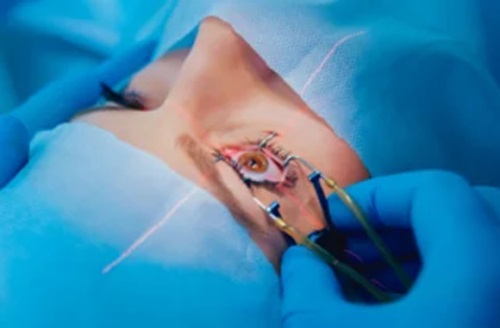

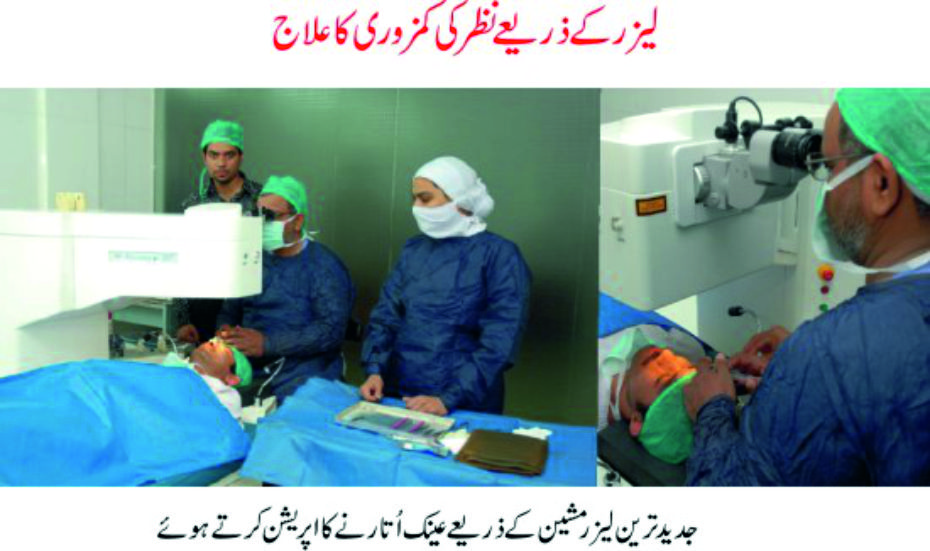
drasifkhokhar is the best eye surgeon in lahore.They provide services in oculoplastic surgeon in lahore, vitreoretinal surgeon in lahore.He has expertise in different eye treatment.
Dr. Asif Khokhar, a best eye surgeon in lahore is dedicated to quality care and great outcomes.drasifkhokhar is the best eye specialist in lahore.They provide services in phaco surgery, oculoplastic surgery,corneal surgery, vitreoretinal surgery.He has expertise in different eye treatment.
Dr. Asif Khokhar, a laser eye surgeon in lahore is dedicated to quality care and great outcomes.drasifkhokhar is the best eye laser treatment in lahore.They provide services in phaco surgery, oculoplastic surgery,corneal surgery, vitreoretinal surgery.He has expertise in different eye treatment.
Dr. Asif Khokhar, a laser eye surgeon in lahore is dedicated to quality care and great outcomes.

The Global Vitreoretinal Surgery Devices Market Research Report - Industry Analysis, Size, Share, Growth, Trends and Forecast Till 2026 gives an evaluation of the market developments based on historical studies and comprehensive research respectively.
The market segments are also provided with an in-depth outlook of the competitive landscape and a listing of the profiled key players.The comprehensive value chain analysis of the market will assist in attaining better product differentiation, along with detailed understanding of the core competency of each activity involved.
The market attractiveness analysis provided in the report aptly measures the potential value of the market providing business strategists with the latest growth opportunities.The report classifies the market into different segments based on product type, type of surgery and end-use.
These segments are studied in detail incorporating the market estimates and forecasts at regional and country level.
The segment analysis is useful in understanding the growth areas and probable opportunities of the market.Final Report will cover the impact of COVID-19 on this industry.Browse the complete Global Vitreoretinal Surgery Devices Market Research Report – Industry Analysis, Size, Share, Growth, Trends and Forecast Till 2026 @ https://www.decisiondatabases.com/ip/16264-vitreoretinal-surgery-devices-market-reportThe report also covers the complete competitive landscape of the global Vitreoretinal Surgery Devices market with company profiles of key players such as:Alcon, IncBausch & Lomb, Inc.Designs For Vision Pty LtdDutch Ophthalmic Research Center International BVMedOne Surgical, Inc.OCULUS Optikgeräte GmbHA detailed description of each has been included, with information in terms of H.Q, future capacities, key mergers & acquisitions, financial overview, partnerships, collaborations, new product launches, new product developments and other latest industrial developments.SEGMENTATIONS IN THE REPORT:By Product Type:Vitreo Retinal Per Fluoro Carbon Liquids (PFCL)Vitreo Retinal Surgical PacksVitreo Retinal Prefilled Silicone Oil SyringesBy Type of Surgery:Anterior Vitreoretinal SurgeryPosterior Vitreoretinal SurgeryBy End-Use:HospitalsOphthalmology ClinicsAmbulatory Surgical CentersBy Geography:North America (NA)Europe (EU)Asia Pacific (APAC)Latin America (LA)Middle East & Africa (MEA)Download Free Sample Report of Global Vitreoretinal Surgery Devices Market @ https://www.decisiondatabases.com/contact/download-sample-16264The Global Vitreoretinal Surgery Devices Market has been exhibited in detail in the following chapters –Chapter 1 Vitreoretinal Surgery Devices Market PrefaceChapter 2 Executive SummaryChapter 3 Vitreoretinal Surgery Devices Industry AnalysisChapter 4 Vitreoretinal Surgery Devices Market Value Chain AnalysisChapter 5 Vitreoretinal Surgery Devices Market Analysis By Product TypeChapter 6 Vitreoretinal Surgery Devices Market Analysis By Type of SurgeryChapter 7 Vitreoretinal Surgery Devices Market Analysis By End-UseChapter 8 Vitreoretinal Surgery Devices Market Analysis By GeographyChapter 9 Competitive Landscape Of Vitreoretinal Surgery Devices CompaniesChapter 10 Company Profiles Of Vitreoretinal Surgery Devices IndustryPurchase the complete Global Vitreoretinal Surgery Devices Market Research Report @ https://www.decisiondatabases.com/contact/buy-now-16264Other Reports by DecisionDatabases.com:Global Stereotactic Surgery Devices Market Research Report – Industry Analysis, Size, Share, Growth, Trends and Forecast Till 2026Global Spine Surgery Devices Market Research Report – Industry Analysis, Size, Share, Growth, Trends and Forecast Till 2026Global Anti-Snoring Devices and Snoring Surgery Market Research Report – Industry Analysis, Size, Share, Growth, Trends and Forecast Till 2026About-Us:DecisionDatabases.com is a global business research reports provider, enriching decision makers and strategists with qualitative statistics.
DecisionDatabases.com is proficient in providing syndicated research report, customized research reports, company profiles and industry databases across multiple domains.Our expert research analysts have been trained to map client’s research requirements to the correct research resource leading to a distinctive edge over its competitors.