Introduction
Psyllium, a soluble fiber derived from the seeds of the Plantago ovata plant, has gained significant attention in recent years for its numerous health benefits. It is often used as a supplement to improve digestive health, manage cholesterol levels, and promote weight loss. However, not all psyllium products are created equal. In this comprehensive article, we will delve into the differences between psyllium whole husk and powder forms, exploring their unique properties, applications, and health benefits. By the end of our journey through this fascinating world of dietary fiber, you'll have a clearer understanding of how to incorporate psyllium into your daily routine effectively.
The Power of Psyllium: Understanding the Differences Between Whole Husk and Powder Forms
When we talk about psyllium, two forms typically come to mind: whole husk and powder. While both forms offer similar health benefits, they do differ in texture, usage, and absorption rates.
What is Psyllium?
Psyllium is a bulk-forming laxative that works by absorbing water in the gut, leading to increased stool bulk. This natural fiber source comes from the seeds of the Plantago ovata plant primarily grown in India.
Exploring Psyllium Husk vs. Powder
Psyllium Husk: The Whole Form
Psyllium husk is made from the outer coating of psyllium seeds. This form retains more of its natural structure compared to powdered forms.
Texture
: The husk boasts a coarse texture.
Water Absorption
: When mixed with water, it expands significantly.
Benefits
: It may provide a feeling of fullness due to its size. It can help regulate bowel movements naturally.
Psyllium Powder: The Ground Form
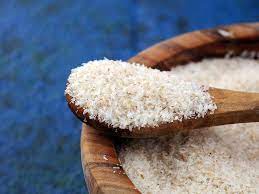
On the other hand, psyllium powder is produced by grinding the husks into a fine powder.

Texture
: This form has a smooth consistency.
Water Absorption
: While it absorbs water as well, it does so quickly.
Benefits
: Easier to mix into smoothies or baked goods. May be more palatable for those who dislike the texture of whole husks.
Comparing Nutritional Profiles: Psyllium Husk vs. Powder
| Nutrient | Psyllium Husk | Psyllium Powder | |------------------|---------------|------------------| | Fiber Content | High | High | | Caloric Value | Low | Low | | Water Absorption | Slower | Faster |
Why Choose One Over the Other?
Choosing between these two forms often depends on personal preference and intended use:
If you prefer something that adds texture or volume to your dishes, psyllium husk might be your go-to. If you're looking for something that blends seamlessly into your meals or beverages without altering their consistency much, psyllium powder may be best.
Health Benefits of Psyllium
Psyllium has garnered attention not just for its fiber content but also for an array of associated health benefits:
1. Digestive Health Enhancement
Both forms play a pivotal role in promoting digestive health. They help relieve constipation by increasing stool bulk and making it easier to pass.
2. Cholesterol Management
Research shows that regular consumption can lower cholesterol levels by binding bile acids in the intestine. This process encourages cholesterol removal from the body.
3. Blood Sugar Control
Psyllium can slow down digestion and absorption of sugars in your bloodstream which helps maintain stable blood sugar levels—particularly beneficial for diabetics.
4. Weight Management Aid
The ability of psyllium to absorb water allows it to expand in your stomach giving you a sense of fullness which could lead to reduced calorie intake during meals.
5. Potential Heart Health Benefits
By assisting in lowering cholesterol levels and improving heart health markers, incorporating psyllium into one's diet could contribute positively towards cardiovascular wellness.
Using Psyllium Effectively in Your Diet
Incorporating psyllium into your diet doesn’t have to be complicated! Here are some tips:
1. Smoothies & Shakes
Add one tablespoon of either form into smoothies for an extra fiber boost without affecting taste significantly!
2. Baking Recipes
In baking recipes like muffins or breads, substituting part of your flour with psyllium can enhance texture while fortifying nutrients.
3. Breakfast Cereals & Oatmeal
Sprinkle some over oatmeal or cereals; it will blend right in while providing additional health benefits.
FAQs
What’s better for digestion—psyllium husk or powder?
Both are effective; however, if you prefer quicker absorption and smoother mixing capabilities then powder might suit you better!
Can I take too much psyllium?
Yes! Overconsumption can lead to digestive discomfort Step-by-step such as bloating or gas; always start small—one teaspoon—and gradually increase as tolerated.
Is there a difference between organic psyllium husk vs regular?
While both versions provide similar benefits nutritionally speaking; organic options may be free from pesticides or chemicals commonly found in conventional products.
How should I store my psyllium products?
Keep them sealed tightly away from moisture—ideally in a cool dry place—to maintain freshness longer!
Can children consume psyllium?
Yes! However consult with pediatricians first regarding appropriate dosages based on age/weight before introducing any new supplements into their routine!
Are there any side effects associated with taking psyllium?
Some people may experience mild gastrointestinal issues like cramping or bloating particularly if introduced suddenly; ensure adequate hydration when consuming fibers!
Conclusion
In summary, understanding “The Power of Psyllium: Understanding the Differences Between Whole Husk and Powder Forms” opens up new avenues for enhancing dietary habits focused on digestive health among others! Whether you choose whole husk for its textural qualities or powdered form for easy integration into various recipes—the key takeaway remains clear: incorporating this powerful soluble fiber can benefit overall wellness significantly! So next time you're at your local market searching through aisles laden with various nutritional supplements—consider adding some quality pysilllium product(s) into cart today!
COVID-19 Impact Analysis on Psyllium Husk Powder Market report published by Value Market Research provides a detailed market analysis comprising market size, share, value, growth and trends for the period 2020-2027.
Moreover, this market report also covers regional and country markets in detail.The research report also covers the comprehensive profiles of the key players in the market and an in-depth view of the competitive landscape worldwide.
The major players in the psyllium husk powder market include Keyur Industries, Atlas Industries, Abhyuday Indutries, Satnam Psyllium Industries, Rajganga Agro Product, Shree Mahalaxmi psyllium, Jyotindra International, Urvesh Psyllium Industries, Virdhara International, JYOT Overseas, Shubh Psyllium Industries.
This section consists of a holistic view of the competitive landscape that includes various strategic developments such as key mergers & acquisitions, future capacities, partnerships, financial overviews, collaborations, new product developments, new product launches, and other developments.Get more information on "Global Psyllium Husk Powder Market Research Report" by requesting FREE Sample Copy at https://www.valuemarketresearch.com/contact/psyllium-husk-powder-market/download-sampleMarket DynamicsRising health-conscious population and shifting customer preference for herbal supplements are key factors driving the global psyllium husk powder market's growth.
The increasing prevalence of obesity, constipation, diabetes, diarrhea and loose stools, irritable bowel syndrome (IBS), and metabolic syndrome is anticipated to boost soluble fiber consumption, thus psyllium husk powder.
Key players are working on new product development and existing products in a constant innovation cycle for more health benefits.