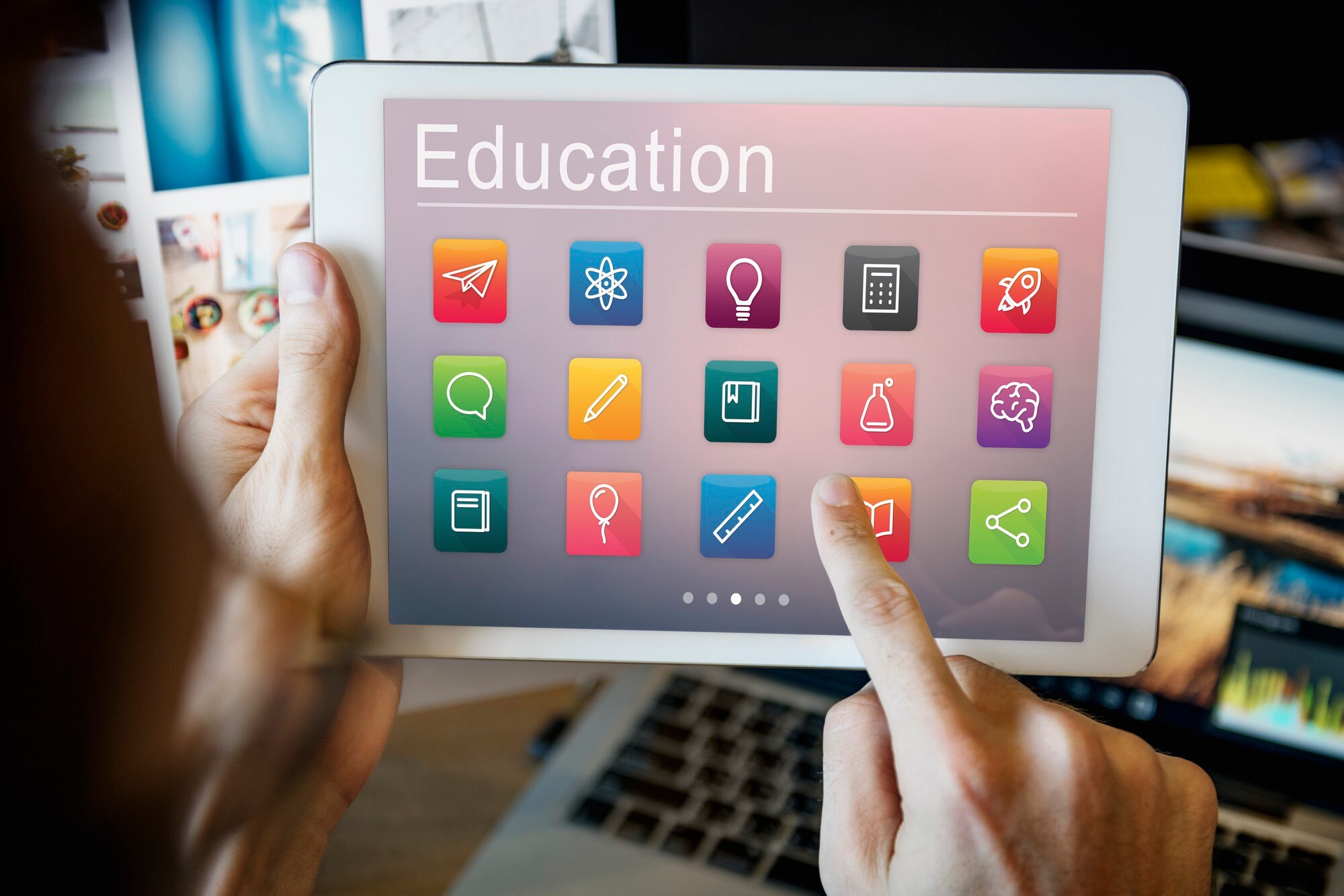


In today's interconnected world, education technology (EdTech) must evolve to meet the needs of diverse learners. Multilingual and multicultural audiences, spanning different languages, traditions, and educational systems, are becoming a significant demographic in online education platforms, virtual classrooms, and learning management systems (LMS). Developing EdTech apps for such diverse learners ensures inclusivity, enhances learning outcomes, and aligns with the globalized nature of education.
Here’s how EdTech can be adapted to effectively serve multilingual and multicultural audiences, alongside the challenges and benefits of doing so.
Why Multilingual and Multicultural Adaptation is Essential
1. Expanding Reach
Adapting to multiple languages allows EdTech platforms to expand into international markets, reaching millions of students in non-native English-speaking countries. It ensures that language barriers don’t limit access to quality education.
2. Enhancing Equity in Education
Inclusive EdTech bridges the gap for learners from marginalized or underserved communities. Providing culturally relevant content ensures no learner is disadvantaged due to linguistic or cultural differences.
3. Catering to Global Workforces
Corporate training platforms that integrate multilingual and multicultural elements can better serve global teams, fostering a unified and well-trained workforce.
Key Strategies for Multilingual and Multicultural Adaptation
1. Multilingual Capabilities
EdTech platforms need robust multilingual support to cater to students worldwide.
- Localized Language Support: Offer interfaces, instructions, and course materials in multiple languages. Localization should go beyond direct translations to incorporate cultural nuances and context.
- Dynamic Language Switching: Allow users to switch between languages seamlessly within the platform, enhancing usability.
- AI-Driven Translation: Leverage AI tools like natural language processing (NLP) to provide real-time translations and subtitling for live or pre-recorded classes.
2. Cultural Relevance in Content
A culturally sensitive approach ensures that EdTech content resonates with learners’ backgrounds.
- Contextual Learning Examples: Use examples, scenarios, and references that align with students’ cultural experiences. For instance, math problems could reference local currencies or festivals.
- Visual Adaptation: Graphics and visuals should be culturally appropriate and inclusive, avoiding stereotypes or imagery that might alienate certain groups.
3. Accessibility for All Learners
Accessibility is critical to ensure equitable learning experiences.
- Support for Non-Native Speakers: Incorporate glossaries, pronunciation guides, and simplified language options to aid comprehension.
- Assistive Technologies: Include text-to-speech, speech-to-text, and subtitles to help learners with disabilities or language challenges.
4. Flexible Pedagogical Approaches
Different cultures have varied learning styles and pedagogical traditions. EdTech platforms should adapt by offering:
- Customizable Learning Paths: Allow educators to modify course structures to fit cultural or regional teaching methods.
- Interactive Features: Use gamification, discussion forums, and group activities that respect cultural communication norms, such as collaborative vs. individualistic approaches.
Challenges in Adapting EdTech
Adapting for multilingual and multicultural audiences is not without hurdles:
- High Costs: Developing localized content and maintaining multilingual support require significant investment.
- Technical Complexity: Incorporating AI-driven translation or ensuring platform compatibility across languages can be challenging.
- Risk of Oversimplification: Over-generalizing cultural differences can lead to stereotyping, undermining the objective of inclusivity.
The Benefits of Adaptation
While challenging, the rewards of adapting EdTech for diverse learners are substantial:
- Improved User Engagement: Students are more likely to engage with content that feels relevant and accessible.
- Global Competitiveness: Multilingual and multicultural adaptation positions EdTech companies as global leaders in education innovation.
- Better Learning Outcomes: Personalized and culturally sensitive education enhances comprehension and retention.
Conclusion
Adapting EdTech for multilingual and multicultural audiences is more than a technological challenge—it’s a commitment to inclusivity and equity in education. By integrating language support, cultural relevance, and flexible learning approaches, EdTech can break down barriers, foster global connections, and empower learners from all walks of life.
As education continues to globalize, the ability to cater to diverse audiences will not just be a competitive advantage—it will be a necessity.