


In today’s digital era, artificial intelligence (AI) is redefining the way websites are built, designed, and maintained. The integration of AI in web development and design quality assurance (QA) has brought significant improvements in speed, accuracy, and user experience. From automating repetitive tasks to enhancing user engagement, AI’s potential in web development and design QA is immense. This article explores how AI transforms web development and QA processes and how businesses can harness its power to deliver optimal results.
1. The Rise of AI in Web Development
AI has become a core component in web development, helping developers create sophisticated, user-friendly websites with less time and effort. Traditionally, web development involved extensive coding, testing, and debugging, which were both time-consuming and labor-intensive. AI, however, has introduced several automated solutions that streamline these processes and allow developers to focus on more creative aspects.
For instance, AI-driven tools like ChatGPT can generate code snippets based on specific requirements, reducing the time required to code from scratch. Another example is GitHub’s Copilot, which suggests code and automates repetitive tasks, speeding up development and minimizing errors. By providing real-time assistance, these AI-powered tools allow developers to work more efficiently and focus on higher-level design and functionality issues.
2. AI-Driven Web Design: Enhancing User Experience
In web design, user experience (UX) is paramount. A website’s design should be visually appealing, easy to navigate, and responsive across devices. AI has been instrumental in analyzing user behavior to create intuitive and user-centric designs. Through data analysis, AI can identify patterns in user behavior and generate insights that guide design improvements.
One of the key AI tools that have revolutionized web design is Adobe’s Sensei. This AI framework uses machine learning to automate repetitive design tasks, such as image cropping and content layout adjustments, saving designers countless hours. Additionally, AI can predict which design elements will perform well based on past user interactions. For example, AI can suggest color schemes, font sizes, and content placements that resonate with target audiences, ensuring a positive user experience.
3. Intelligent QA Testing: Reducing Errors and Enhancing Quality
Quality assurance (QA) is a crucial step in web development, ensuring that the website functions as intended without any bugs or errors. Traditional QA testing required manual testing, which was often inefficient and prone to human error. AI-powered QA testing, however, is changing this landscape by automating test cases and identifying issues faster than ever before.
Automated testing tools, like Selenium and Applitools, use AI to execute thousands of test cases within minutes, providing real-time insights into potential issues. These tools can detect bugs, broken links, and layout inconsistencies, allowing developers to address these problems before they reach the end-users. AI can also predict issues based on previous test results, helping QA teams focus on areas that are more likely to have issues and, therefore, require extra attention.
4. Improved Personalization with AI
One of the significant advantages of AI in web development and design is its ability to create highly personalized experiences for users. Personalization in web design means delivering content that matches each user’s preferences, behavior, and browsing history. By analyzing data points such as past purchases, browsing patterns, and demographic information, AI enables websites to display content, products, or services that are tailored to each visitor.
Amazon, for instance, uses AI-powered recommendation engines to suggest products based on a user’s previous purchases and browsing history. This personalization not only increases the likelihood of purchase but also enhances the overall user experience. In web design, AI can dynamically adjust website elements based on the user’s preferences, creating a unique and engaging experience for each visitor. Personalization is now a standard expectation, and AI is at the forefront of meeting this demand.
5. Enhancing Accessibility with AI
Accessibility is a crucial aspect of web design that ensures websites are usable for people with disabilities. AI has made significant strides in making websites more accessible by providing real-time solutions to cater to users with visual, auditory, or cognitive impairments. AI-powered tools, such as speech-to-text and text-to-speech applications, allow users to interact with websites more easily. Similarly, image recognition software helps describe visual content to visually impaired users, ensuring they can engage with the website just like any other user.
Furthermore, AI algorithms can detect and highlight areas of a website that may not comply with accessibility standards, such as missing alternative text for images or insufficient color contrast. By addressing these issues during the development and QA stages, AI ensures that websites are inclusive and compliant with accessibility standards, improving the overall user experience.
6. Real-Time Problem Detection and Maintenance
One of the most powerful applications of AI in web development is its ability to perform real-time monitoring and maintenance. AI-powered tools can detect and predict problems on a website before they affect the user experience. For example, AI algorithms can monitor website performance metrics, such as page load speed and server uptime, to ensure the site runs smoothly. If a potential issue is detected, such as an increase in load time, the AI can send an alert to the development team to address it before it impacts users.
This predictive maintenance is crucial for businesses that rely on their websites for customer interactions. A website outage or slow load time can result in lost revenue and a negative brand image. AI-driven real-time monitoring ensures that websites remain functional and perform at their best, providing a seamless experience for users and protecting the business from potential losses.
7. AI and Chatbots: Improving Customer Support
Customer support is an essential part of any website, and AI-driven chatbots have made significant improvements in this area. Chatbots provide instant responses to user queries, improving customer satisfaction and engagement. With natural language processing (NLP) capabilities, AI chatbots can understand and respond to complex questions, mimicking human-like interactions.
Tools like Zendesk and Intercom utilize AI-powered chatbots to offer 24/7 customer support, reducing the need for human agents. These chatbots can handle routine inquiries, such as account information or order status, freeing up human agents to focus on more complex customer issues. Additionally, AI chatbots can learn from past interactions to improve their responses, ensuring they provide accurate and relevant information to users.
8. SEO Optimization with AI
Search engine optimization (SEO) is essential for driving traffic to a website, and AI has transformed SEO practices in recent years. AI-powered tools can analyze search trends, keyword effectiveness, and competitor strategies to help developers and designers create optimized content that ranks well in search engines.
Google’s AI-powered RankBrain algorithm, for instance, helps determine search rankings based on factors like relevance and user engagement. This shift toward AI in SEO means that websites must now focus on providing valuable, relevant content rather than simply using keywords. By integrating AI into the development and QA stages, businesses can ensure their websites are optimized for search engines and can reach a larger audience.
9. Data-Driven Decision Making
AI enables developers and designers to make data-driven decisions throughout the web development and design process. By analyzing user data, AI can generate actionable insights that help teams create more effective websites. For example, AI can analyze user heatmaps to identify areas of high engagement or analyze bounce rates to understand why users leave the site.
This data-driven approach ensures that decisions are based on real user behavior rather than assumptions. As a result, AI-driven insights lead to more informed design and development choices, resulting in websites that better meet user needs and expectations.
Conclusion: The Future of AI in Web Development and Design QA
The integration of AI in web development and design QA has transformed the way websites are built, tested, and maintained. From automating repetitive tasks to delivering personalized user experiences, AI offers a wide range of benefits that enhance the development process and improve user satisfaction.
As AI technology continues to advance, we can expect even more innovative solutions to emerge, further simplifying web development and making websites more accessible, engaging, and efficient. For businesses, investing in AI-driven web development tools and processes is no longer a luxury but a necessity in staying competitive. AI is not only a game changer in web development and design QA- it’s the future. Embracing AI will allow companies to stay ahead of the curve and deliver exceptional digital experiences for users.



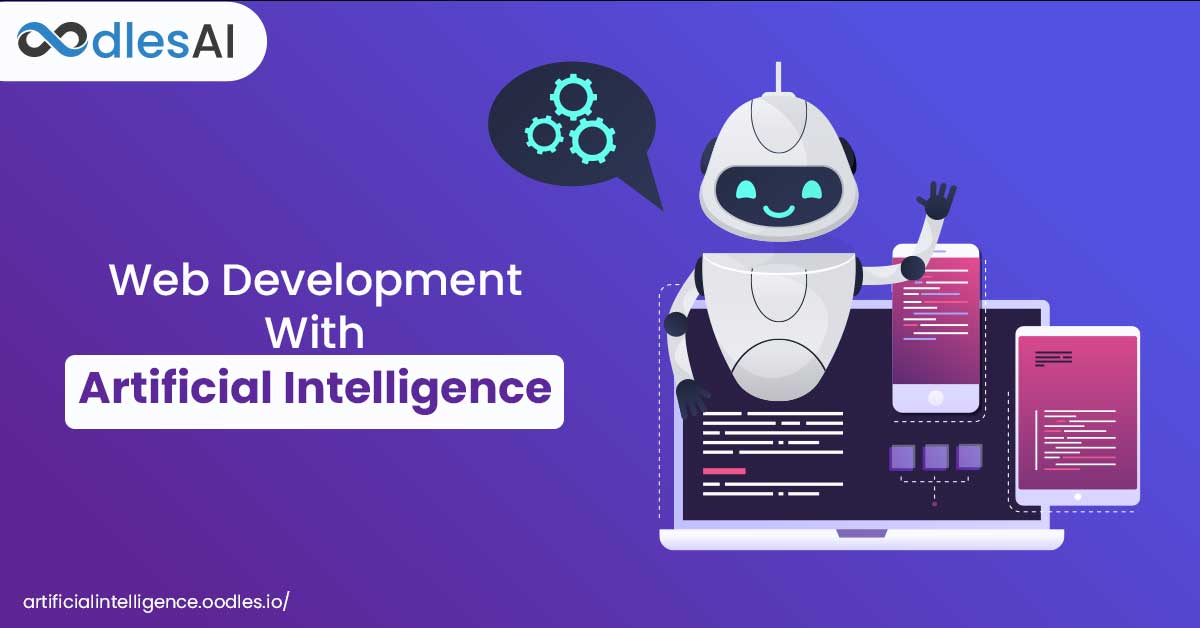
Read why Artificial Intelligence should be implemented in web development?
Also, Learn the role and importance of AI in the entire process of web development.