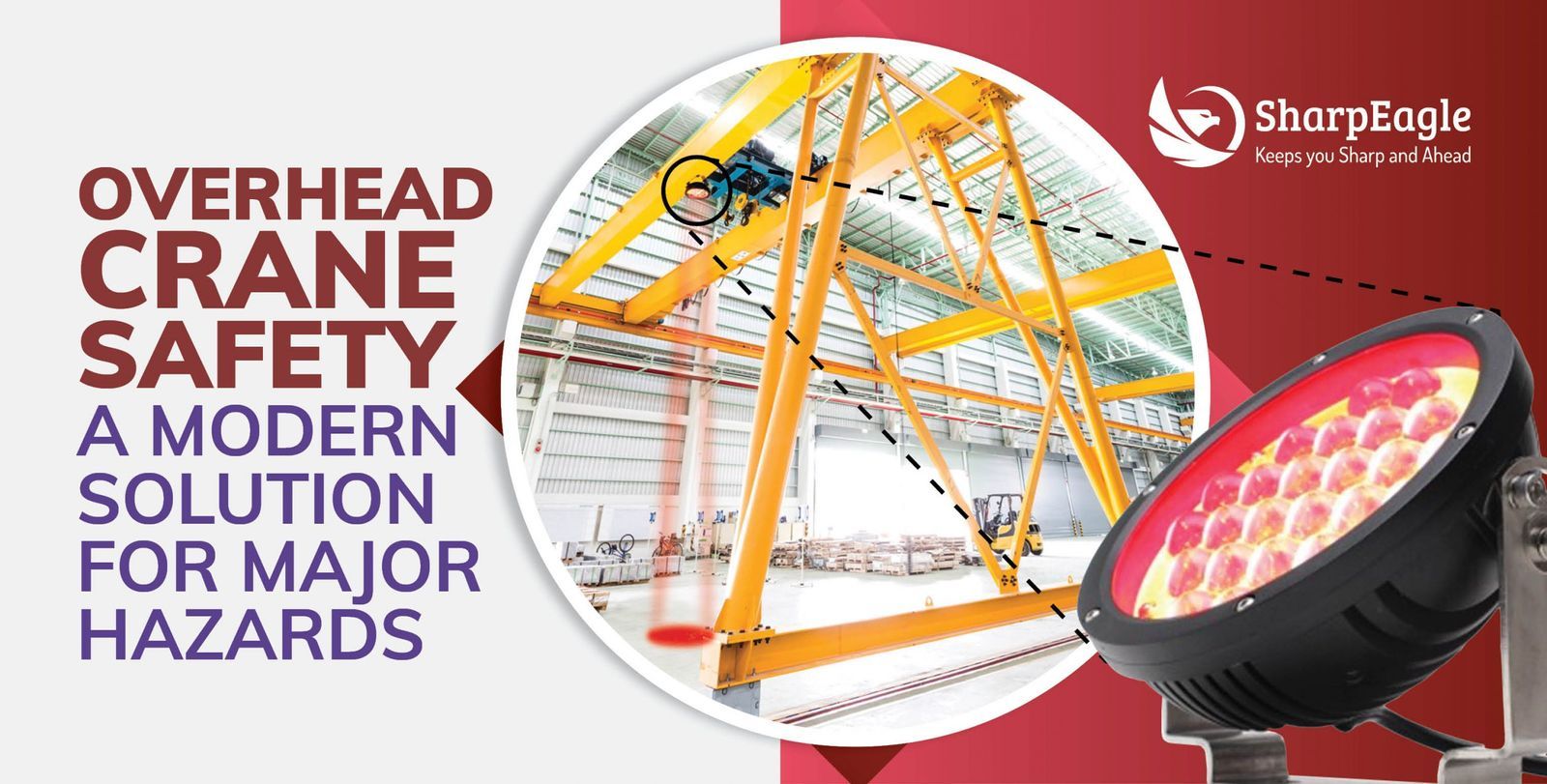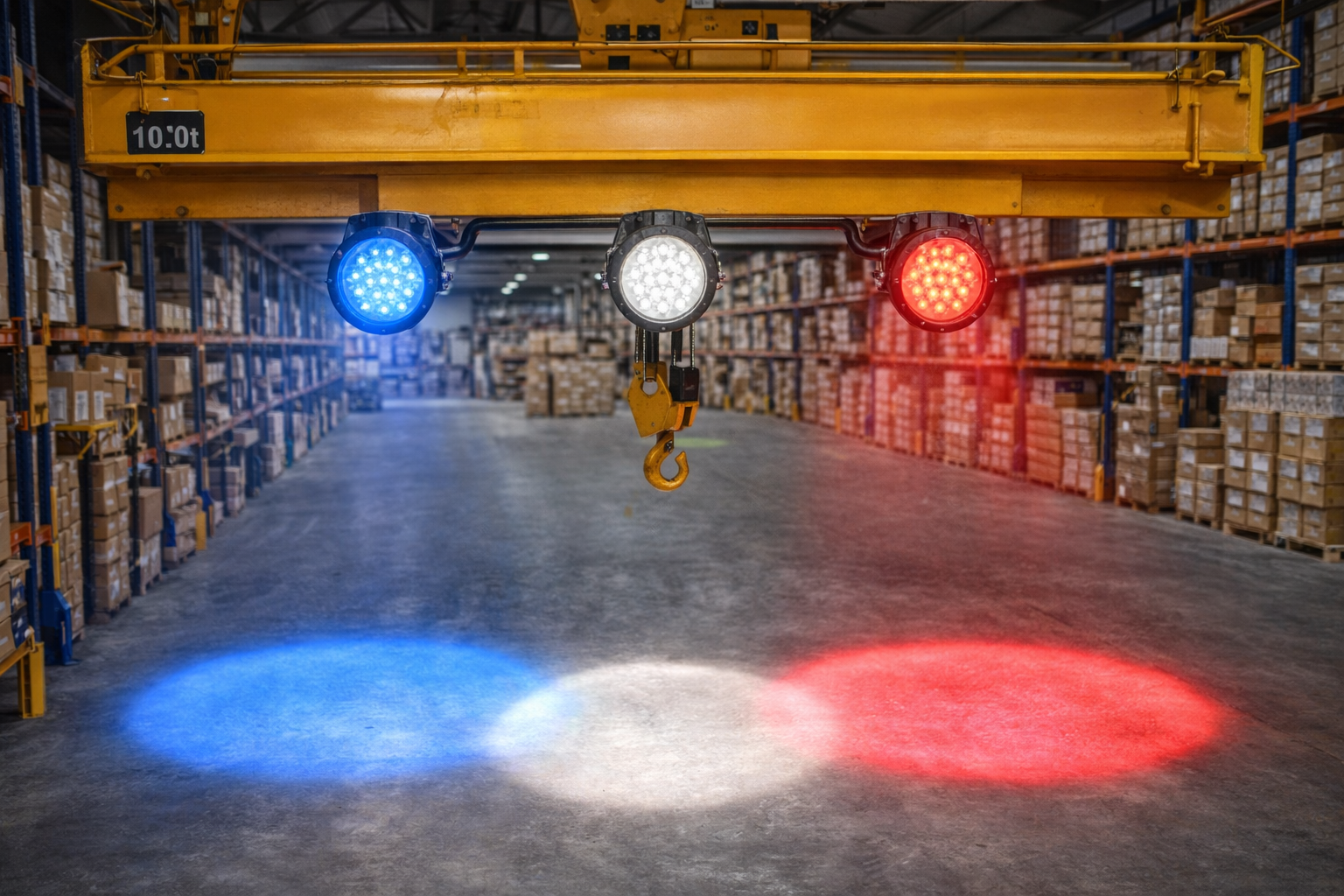


Between 2011 and 2017, the Census of Fatal Occupational Injuries (CFOI) reported a staggering total of 297 crane-related deaths. Mishaps caused by lapses in crane safety often put the lives of the crew members at risk and result in significant losses for the company. Imagine the impact of a crane malfunction on a bustling construction site or industrial setting. In such scenarios, crane lights can make all the difference. Making sure that crane safety lights work efficiently isn't a choice - it's a mandate to stop accidents and follow strict OSHA rules.
This blog explores the key role of crane safety lights in protecting workers and meeting OSHA standards. We'll look at the main causes of crane accidents and examine legal impacts and OSHA safety guidelines. Our aim is to shed light on the proactive safety measures in high-risk settings. By using safety lights properly, companies ensure compliance and create a secure work environment.
Want to discover how adding safety lights prevents crane accidents and boosts workplace safety? Read on to understand the crucial role of crane safety lights in accident prevention and regulatory compliance.
Introduction to Crane Accident Injuries and OSHA Safety Regulations
Construction sites have huge cranes operating, where these machines lift heavy objects on a daily basis. Their malfunctioning could cause terrible accidents, including workers getting injured or even dying. This is why companies are in a continuous pursuit for creating optimal working conditions and preventing these accidents. When you think about how crane mishaps also bring lawsuits and fines, these problems cost a ton too!
Crane accidents happen for different reasons. They occur mostly when operators and crew don't communicate well, or when safety rules aren't followed properly. Busy work areas only add to the chaos, and prevent proper communication.
That's why OSHA has made strict crane safety rules, which exist to train operators correctly. Ignoring OSHA guidelines can bring about harsh penalties, lawsuits and reputation hits for the companies. At the minimum, safety gear must be worn and general precautions should be taken to comply with the set safety standards.
Putting crane safety first lowers accident risk, by enabling clear communication when voice or clear line of sight are difficult to achieve.
By investing in training, safety equipment, and implementing OSHA regulations, you can create a safer working environment, reduce accidents, and protect the well-being of the workers. Read more