
When you experience severe tooth pain or damage, your dentist may present you with two common treatment options: root canal therapy or tooth extraction. While both procedures aim to address tooth problems, they differ significantly in terms of preserving your natural tooth and the overall impact on your oral health. Understanding the differences between root canal therapy and tooth extraction can help you make an informed decision about which option is best for you.
What is Root Canal Therapy?
A root canal is a dental procedure that aims to save a tooth that has become infected or severely decayed. During the procedure, the dentist removes the infected pulp inside the tooth, which contains nerves and blood vessels. After cleaning the pulp chamber, the tooth is sealed to prevent further infection. In some cases, the tooth may be fitted with a crown to protect it from future damage.
Root canal therapy is typically recommended when a tooth is still intact but has significant damage to the pulp or root. This procedure allows you to keep your natural tooth, which can help maintain the alignment and function of your mouth.
What is Tooth Extraction?
Tooth extraction, on the other hand, involves the complete removal of a tooth that is beyond saving due to extensive decay, infection, or damage. While this procedure is often the last resort when all other options have been exhausted, it may be necessary to prevent the spread of infection or to eliminate a severely damaged tooth that can no longer function properly.
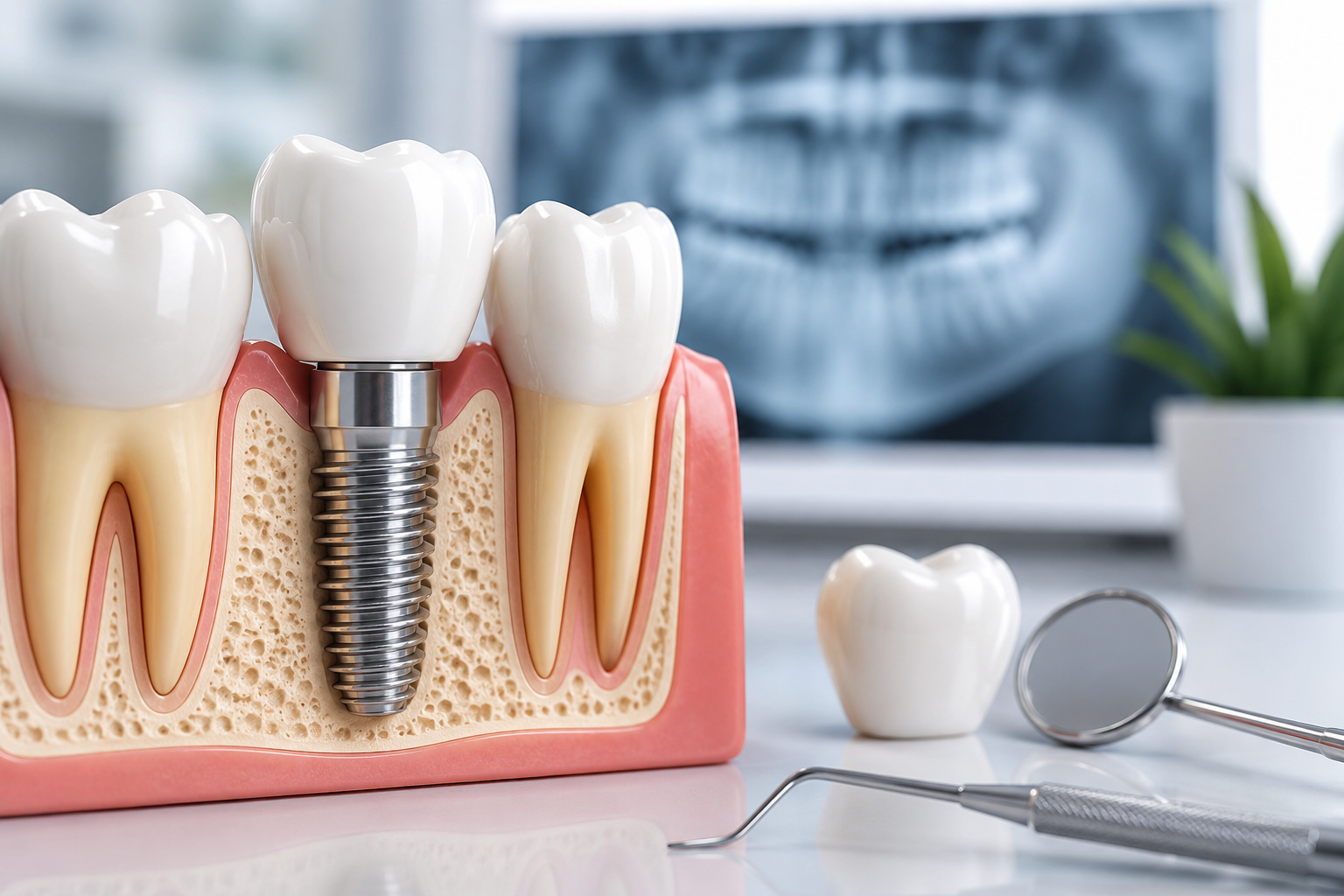
After extraction, the space left by the missing tooth can be addressed with options like dental implants, bridges, or dentures to restore function and aesthetics. However, tooth extraction is usually considered a permanent solution, and once a tooth is removed, you lose it for good.
The Pros of Root Canal Therapy
1. Preservation of Natural Teeth One of the most significant advantages of root canal therapy is that it allows you to save your natural tooth. Preserving your tooth maintains your mouth's natural alignment and function, especially when it comes to chewing and speaking. Keeping your original tooth is always the preferred option if possible.
2. Less Invasive Than Extraction Root canal therapy is generally less invasive than tooth extraction. While it may take one or two visits, the procedure typically doesn't require a long recovery period. On the other hand, extraction may involve additional steps like the placement of a dental implant, which could require several months of healing and follow-up procedures.
3. Prevents Further Complications By addressing infection or decay inside the tooth with root canal therapy, you eliminate the source of the problem and prevent it from spreading to other teeth or affecting your gums. This helps to maintain the overall health of your mouth, reducing the risk of additional complications.
4. Long-Term Savings Though root canal therapy may seem costly upfront, saving your natural tooth can save you money in the long run. Without the need for replacements like implants or bridges, you avoid further dental expenses down the line.
The Pros of Tooth Extraction
1. Immediate Relief Tooth extraction can provide immediate relief from pain and discomfort caused by infection or severe damage. If the tooth is causing significant pain, removal may be the quickest way to resolve the issue.
2. Prevents the Spread of Infection If a tooth is severely infected or compromised, extraction can prevent the spread of infection to surrounding teeth or the jawbone. This is especially important if the infection cannot be controlled with antibiotics or root canal therapy.
3. Simpler for Severely Damaged Teeth In cases where a tooth is severely damaged beyond repair, extraction may be the simplest and most effective solution. This is especially true if a root canal would not be able to restore the tooth to proper function.
4. Good Option for Overcrowding In some cases, extraction may be recommended as a way to address overcrowding in the mouth. Removing a tooth may create space for braces or other orthodontic treatments to properly align the remaining teeth.
The Risks of Root Canal Therapy
While root canal therapy is generally a safe and effective procedure, there are some risks to consider:
- Infection: Although rare, there is a chance that the infection can return after a root canal if the tooth is not properly sealed or if bacteria enter the chamber.
- Tooth Fracture: After a root canal, the tooth may become more brittle, which can increase the risk of the tooth fracturing in the future, particularly if a crown is not placed.
- Treatment Failure: In some cases, the procedure may not fully eliminate the infection, leading to the need for additional treatment or even extraction.
The Risks of Tooth Extraction
Tooth extraction also comes with its own set of risks:
- Infection: As with any surgery, there is a risk of infection after a tooth extraction, especially if the proper care is not followed during the healing process.
- Shifting Teeth: When a tooth is extracted, neighboring teeth may shift over time, leading to misalignment or bite issues. This is especially problematic if the extracted tooth is located in the front of the mouth.
- Bone Loss: Extracting a tooth can lead to bone loss in the jaw. The loss of bone mass can make future dental implant procedures more difficult and expensive.
- Cosmetic Concerns: Missing teeth, especially in visible areas, can affect the appearance of your smile. Restorations like implants or dentures are often needed to restore both function and aesthetics, which can be costly and require multiple appointments.
How to Decide Between Root Canal Therapy and Tooth Extraction
Ultimately, the decision between root canal therapy and tooth extraction depends on several factors, including the extent of the damage, the condition of the surrounding teeth, and your personal preferences. Here are a few things to consider when making your decision:
- Tooth Health: If your tooth is still structurally sound and the infection is limited to the pulp, root canal therapy may be the best option to save it. However, if the tooth is severely damaged or the infection has spread too far, extraction may be the better choice.
- Long-Term Goals: If your goal is to preserve your natural tooth, root canal therapy is the way to go. However, if the tooth is not salvageable or if you want to pursue other restorative options like dental implants, extraction may be the preferred choice.
- Cost and Time: Root canal therapy typically requires fewer follow-up appointments and less recovery time compared to tooth extraction and subsequent replacement options. If you're looking for the quickest, least invasive solution, a root canal may be ideal.
Conclusion
Both root canal therapy and tooth extraction serve different purposes and offer unique benefits depending on your situation. Root canal therapy is often the best option when it comes to preserving your natural tooth and maintaining the health of your mouth. However, in cases where the tooth is too damaged or infected, extraction may be necessary. Consulting with your dentist to assess the best treatment option for your needs is key to making the right decision.


Root canal treatment is a main procedure in Endodontics, which is the study of diseases of the tooth’s pulp.
Looking for the root canal therapy specialist or endodontist to remove the nerve of a tooth?