Egg and sperm donation are vital to assisting individuals and couples in building families. Whether you're considering becoming a donor or seeking donor assistance, understanding the intricacies of the egg donation process, especially in regions like Queensland, is crucial. Similarly, the donation of sperm plays a significant role in fertility treatments worldwide.
What Is the Egg Donation Process?
The egg donation process involves a healthy individual, typically a woman aged 21–35, donating her eggs to help those unable to conceive. The process follows several key stages:
1. Initial Consultation and Screening
Egg donors undergo medical and psychological evaluations to ensure they are suitable candidates. These include:
- A comprehensive health check-up.
- Fertility tests to assess ovarian reserves.
- Genetic screening to rule out inheritable conditions.
- Counseling sessions to prepare emotionally for the process.
2. Matching with Recipients
Once cleared, donors are matched with recipients through fertility clinics or agencies. Compatibility is based on medical history, preferences, and shared goals.
3. Ovarian Stimulation
The donor receives hormonal treatments to stimulate the production of multiple eggs. Regular ultrasounds and blood tests monitor progress to ensure safety and efficacy.
4. Egg Retrieval Procedure
Egg retrieval is performed under mild sedation. Using ultrasound-guided techniques, a fertility specialist extracts the eggs in a minimally invasive procedure. Recovery is quick, with most donors resuming normal activities within 24 hours.
Egg Donation in Queensland: Legal and Ethical Considerations
In Queensland, the egg donation process is governed by strict laws to protect donors and recipients. These include:
- Voluntary and Non-Commercial Donations: Payment for eggs is prohibited, though donors may receive reimbursement for expenses incurred during the process.
- Consent and Anonymity: Donors must provide informed consent. While anonymity was once common, many agreements now allow future children to access donor information at maturity.
- Ethical Standards: Queensland fertility clinics adhere to rigorous ethical guidelines, ensuring all parties are treated with fairness and respect.
Why Egg Donation in Queensland Stands Out
Queensland boasts world-class fertility clinics and support systems, making it a preferred location for those seeking or offering donor assistance. Advantages include:
- Advanced medical facilities with cutting-edge technology.
- Expert teams of fertility specialists.
- Comprehensive care for both donors and recipients.
Understanding the Donation of Sperm
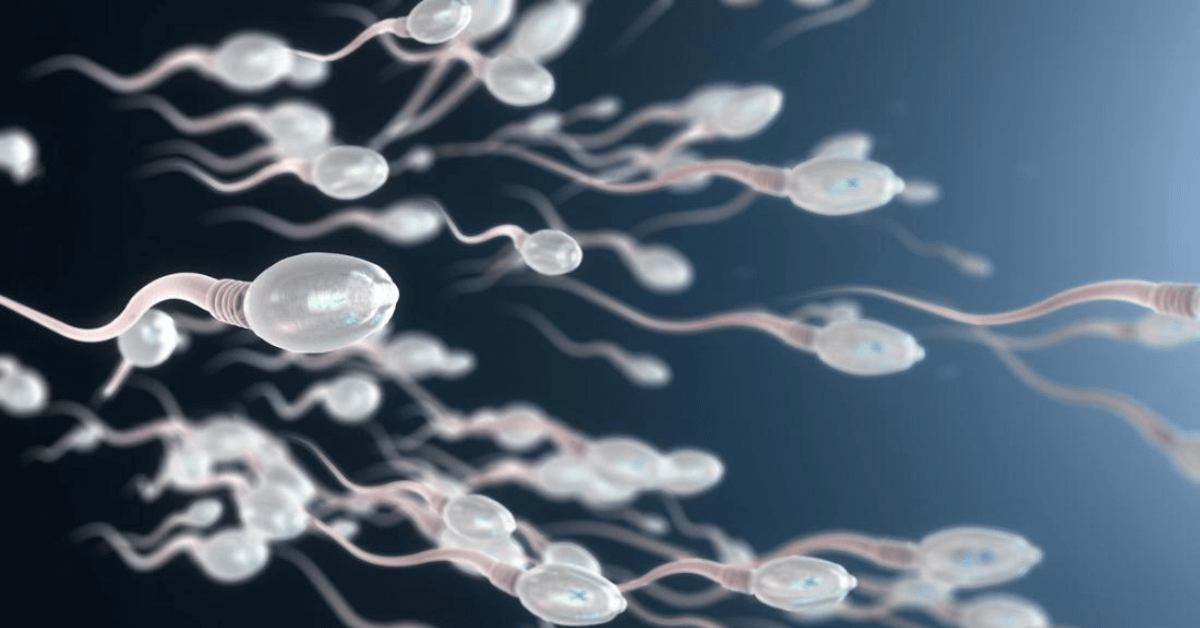
The donation of sperm is equally essential in assisting individuals and couples with fertility challenges. Like egg donation, sperm donation involves a regulated process:
1. Screening and Testing
Potential sperm donors undergo rigorous screening to ensure they are free from genetic disorders and sexually transmitted infections. Sperm quality is also evaluated through semen analysis.
2. Donation Procedure
Donors provide samples at designated fertility clinics or sperm banks. Samples are then frozen and stored for future use.
3. Distribution to Recipients
Sperm donations are used in procedures such as intrauterine insemination (IUI) or in vitro fertilization (IVF), depending on the recipient’s needs.
Benefits of Egg and Sperm Donation for Families
Egg and sperm donations provide hope to individuals facing fertility issues due to:
- Medical conditions like premature ovarian failure or low sperm count.
- Genetic concerns that make using their gametes risky.
- LGBTQ+ families and single parents wishing to conceive.
The collaborative efforts of donors and medical teams enable countless families to realize their dreams of parenthood.
Becoming an Egg or Sperm Donor: What to Expect
Egg Donation
- Time commitment: Approximately 2–3 months for the entire process.
- Impact: A life-changing contribution that helps families grow.
- Support: Donors receive extensive guidance and support from fertility specialists.
Sperm Donation
- Time commitment: Regular donations over six months are common.
- Flexibility: Donations are made at the donor's convenience.
- Legacy: Donors play a crucial role in building families worldwide.
How to Choose the Right Fertility Clinic in Queensland
When seeking assistance for the egg donation process or donation of sperm, it’s essential to select a reputable clinic. Factors to consider include:
- Accreditation: Ensure the clinic adheres to Australian standards.
- Specialization: Choose a facility experienced in donor-assisted reproduction.
- Support Services: Look for clinics offering counseling, legal advice, and follow-up care.
- Success Rates: Research the clinic’s track record with donor-assisted procedures.
Advancements in Fertility Treatments in Queensland
Queensland remains at the forefront of fertility innovations. Recent developments include:
- Improved egg and sperm freezing techniques.
- Genetic testing for enhanced embryo selection.
- Personalized treatment plans to maximize success rates.
These advancements ensure that donor-assisted reproduction continues to evolve, offering new possibilities to families.
Conclusion
Both egg donation and the donation of sperm are invaluable contributions to the field of fertility. For those considering becoming donors, the journey is as rewarding as it is impactful. For recipients, these donations represent hope and the possibility of starting or expanding a family.
Cost of Egg Donor in Argentina: The cost of egg donor in Argentina is more than the sperm donor; the reason is the egg retrieval method and the whole process of egg donation.
Select IVF Argentina provides you an economical cost of an egg donor in Argentina.
2000 dollars is the starting cost of egg donor in Argentina at select IVF.