Have you ever wondered why your edge computing system struggles with real-time tasks, even after investing in high-performance hardware? Could your camera’s specifications be holding back your system’s true potential? In a world where every millisecond matters, especially in industries like manufacturing, healthcare, and smart cities, the right camera—like a USB 3.0 camera—can make all the difference.
Let’s dive into why choosing the right camera specs is no longer a luxury but a necessity for edge computing applications.
The Customer’s Pain Point: Lagging Performance
Edge computing thrives on processing data locally, reducing latency and dependency on centralized cloud systems. But when camera performance doesn’t align with system needs, you face issues such as:
Blurry or low-resolution images that fail to provide actionable insights.
Frame rate drops during high-speed processes like manufacturing inspections.
Data bottlenecks that delay real-time decision-making.
Compatibility headaches with legacy and cutting-edge systems.
These problems not only hinder productivity but also drive up costs by requiring additional processing power or reworks.
Why Camera Specs Are Critical in Edge Computing
1. Data Transfer Speed Matters
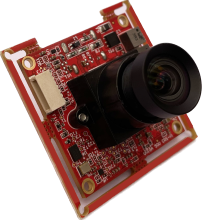
A USB 3.0 camera ensures fast and reliable data transfer, a cornerstone for edge computing. With speeds up to 5 Gbps, these cameras can handle high-resolution images and videos without creating a bottleneck, unlike older USB 2.0 models.
2. Resolution and Frame Rates
When edge systems process video data, clarity and smoothness are key. Cameras with high resolutions (e.g., 4K) and high frame rates ensure precise real-time monitoring. For example:
3. Low Latency for Real-Time Applications
Latency is the enemy of edge computing. A USB 3.0 camera reduces lag, enabling real-time video analytics for applications like autonomous drones or healthcare diagnostics.
4. Compact Design and Integration
Edge computing often involves deploying compact devices in constrained spaces. Modern USB 3.0 cameras offer a sleek, modular design for easy integration into kiosks, robots, or medical devices.
5. Power Efficiency
A USB 3.0 camera not only powers through the same connection but also consumes less energy, making it an ideal choice for battery-operated edge devices.
Key Use Cases of USB 3.0 Cameras in Edge Computing
1. Industrial Automation
High-speed assembly lines demand split-second decisions. USB 3.0 cameras, with their quick data transfer rates and robust build, streamline defect detection and workflow optimization.
2. Smart Cities
From monitoring traffic congestion to improving public safety, USB 3.0 cameras capture clear, high-definition footage, even in challenging lighting conditions.
3. Retail and Kiosks
Facial recognition systems in retail rely heavily on cameras. A USB 3.0 camera ensures high-quality inputs for accurate customer insights and secure transactions.
4. Healthcare
Medical imaging devices using USB 3.0 cameras provide faster diagnostics by instantly relaying detailed visuals to doctors during surgeries or examinations.
5. Agriculture and Environmental Monitoring
Precision farming technologies leverage USB 3.0 cameras to assess crop health, soil quality, or weather changes in real time, increasing yield and sustainability.
Choosing the Right USB 3.0 Camera
When selecting a camera, look beyond just USB 3.0 compatibility. Consider:
Sensor Quality: A high-performance sensor like the AR0821 ensures HDR and low-light capabilities.
Lens Type: Fixed-focus or adjustable lenses depending on your application.
Durability: Cameras in industrial settings need rugged designs to withstand harsh environments.
Software Compatibility: Ensure seamless integration with your existing systems.
Unlock Your System’s Potential with USB 3.0 Cameras
In today’s fast-paced world, edge computing requires every component to work at peak efficiency. Your camera should be an enabler, not a bottleneck. By investing in the right USB 3.0 camera, you ensure faster, smarter, and more reliable systems.
Take the Next Step
Ready to upgrade your edge computing system? Explore our range of high-performance USB 3.0 cameras designed for every industry. Visit our product page now to find the perfect fit for your needs.
Still curious about the benefits of USB 3.0 cameras? Check out our detailed guide on USB Video Class technology here.