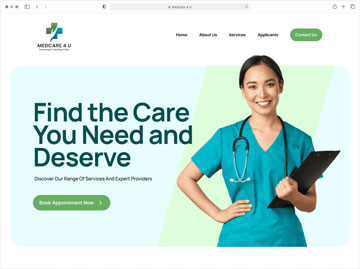
Web Accessibility Standards: Ensuring Inclusivity and Usability
Web accessibility standards are crucial in ensuring that websites are usable by everyone, including individuals with disabilities. These standards, established by organizations such as the World Wide Web Consortium (W3C), provide guidelines and best practices for creating web content that is accessible to all users. Adhering to these standards helps eliminate barriers that might prevent people with disabilities from accessing information and services online.
One of the key components of web accessibility is ensuring that websites are perceivable. This means that users must be able to perceive the information being presented, regardless of their sensory abilities. For instance, text alternatives should be provided for non-text content, such as images and videos, to ensure that users with visual impairments can access the information through screen readers.
Another important aspect of web accessibility is operability. Websites should be designed in a way that allows users to navigate and interact with them easily. This includes providing keyboard accessibility for users who cannot use a mouse and ensuring that interactive elements, such as buttons and links, are easily identifiable and usable.
Understandability is also a critical factor in web accessibility. Content should be presented in a clear and straightforward manner, using plain language and avoiding jargon. Additionally, websites should provide consistent navigation and a predictable layout to help users understand and interact with the content more effectively.
Finally, websites should be robust, meaning that they should work well across different devices, browsers, and assistive technologies. By adhering to these web accessibility standards, NDIS providers can create websites that empower disability care participants by providing them with a seamless and inclusive online experience.
Web Design for Disabilities: Tailoring User Experience
Web design for disabilities involves creating websites that cater specifically to the needs of users with various disabilities. This approach ensures that all users, regardless of their abilities, can access and interact with the website effectively. By considering the diverse needs of users, NDIS providers can create a more inclusive and empowering online experience.
One of the key considerations in web design for disabilities is visual accessibility. This includes using high-contrast color schemes to make text and images more readable for users with visual impairments. Additionally, font sizes should be adjustable, allowing users to increase or decrease the text size according to their preferences.
For users with hearing impairments, providing captions and transcripts for audio and video content is essential. This ensures that they can access the information being presented, even if they cannot hear the audio. Moreover, visual indicators can be used to convey important information, such as alerts and notifications, to users who may not be able to hear auditory cues.
Motor disabilities can also impact a user's ability to interact with a website. To address this, web designers should ensure that interactive elements, such as buttons and links, are large enough to be easily clickable. Additionally, providing keyboard shortcuts and alternative input methods can help users with motor impairments navigate the website more efficiently.
Cognitive disabilities, such as dyslexia and autism, can also affect how users interact with a website. To accommodate these users, web designers should use clear and simple language, break content into manageable chunks, and provide visual aids, such as icons and images, to support the text. Consistent navigation and a predictable layout can also help users with cognitive disabilities understand and interact with the website more effectively.
By tailoring the user experience to meet the needs of individuals with disabilities, NDIS providers can create websites that are not only accessible but also empowering for all users.
Inclusive Web Design: Creating a Welcoming Online Environment
Inclusive web design goes beyond simply meeting accessibility standards; it involves creating a welcoming and user-friendly online environment for all users, regardless of their abilities. This approach ensures that everyone can access and interact with the website in a meaningful way, fostering a sense of inclusion and empowerment.
One of the key principles of inclusive web design is user-centered design. This involves understanding the needs, preferences, and behaviors of users with disabilities and incorporating these insights into the design process. By involving users with disabilities in the design and testing phases, NDIS providers can create websites that truly meet their needs and provide a positive user experience.
Another important aspect of inclusive web design is flexibility. Websites should be designed to accommodate a wide range of user preferences and needs. This includes providing customizable options, such as adjustable font sizes, color schemes, and layout preferences, to allow users to tailor the website to their individual needs.
Consistency is also crucial in inclusive web design. A consistent layout and navigation system helps users understand and interact with the website more easily. This is particularly important for users with cognitive disabilities, who may find it challenging to navigate a website with an inconsistent or unpredictable design.
Clear and straightforward communication is another key element of inclusive web design. Content should be written in plain language, avoiding jargon and complex terminology. Additionally, visual aids, such as icons and images, can be used to support the text and enhance understanding.
Finally, inclusive web design involves ongoing evaluation and improvement. By regularly testing the website with users with disabilities and gathering feedback, NDIS providers can identify areas for improvement and make necessary adjustments to ensure that the website remains accessible and user-friendly for all.
By adopting an inclusive web design approach, NDIS providers can create websites that not only meet accessibility standards but also provide a welcoming and empowering online environment for all users and attract new NDIS participants.
Effective Web Design Techniques: Enhancing Usability and Engagement
Effective web design techniques are essential for creating websites that are not only accessible but also engaging and user-friendly. By employing these techniques, NDIS providers can enhance the usability and overall experience of their websites, empowering disability care participants to access information and services with ease.
One of the most important web design techniques is responsive design. This approach ensures that the website adapts to different screen sizes and devices, providing a seamless experience for users whether they are accessing the site on a desktop, tablet, or smartphone. Responsive design is particularly important for users with disabilities, as it ensures that the website remains accessible and functional across various devices and assistive technologies.
Another key technique is optimizing website performance. Slow-loading websites can be frustrating for all users, but they can be particularly challenging for users with disabilities. By optimizing images, using efficient coding practices, and minimizing the use of heavy scripts, web designers can improve the loading speed and overall performance of the website.
Clear and intuitive navigation is also crucial for effective web design. Users should be able to find the information they need quickly and easily. This can be achieved by organizing content into logical categories, using descriptive labels for navigation links, and providing a search function to help users locate specific information.
Visual hierarchy is another important technique in web design. By using different font sizes, colors, and spacing, web designers can create a clear visual hierarchy that guides users' attention to the most important information. This is particularly helpful for users with cognitive disabilities, who may benefit from a clear and organized presentation of content.
Providing feedback and guidance is also essential for enhancing usability. Interactive elements, such as buttons and forms, should provide clear feedback to users, indicating when an action has been completed or if an error has occurred. Additionally, providing guidance, such as tooltips and instructions, can help users understand how to interact with the website more effectively.
Finally, effective web design involves regular testing and iteration. By conducting usability testing with users, including those with disabilities, and gathering feedback, web designers can identify areas for improvement and make necessary adjustments to enhance the overall user experience.
By employing these effective web design techniques, NDIS providers can create websites that are not only accessible but also engaging and user-friendly, empowering disability care participants to access the information and services they need.
Disability-Friendly Websites: Meeting the Needs of All Users
Disability-friendly websites are designed to meet the needs of all users, including those with disabilities. By creating websites that are accessible and user-friendly, NDIS providers can ensure that disability care participants can access information and services with ease, empowering them to live more independent and fulfilling lives.
One of the key features of disability-friendly websites is accessibility. This involves adhering to web accessibility standards, such as the Web Content Accessibility Guidelines (WCAG), to ensure that the website is usable by individuals with various disabilities. This includes providing text alternatives for non-text content, ensuring keyboard accessibility, and using clear and simple language.
Another important aspect of disability-friendly websites is usability. Websites should be designed to be easy to navigate and interact with, regardless of the user's abilities. This includes providing clear and intuitive navigation, using a consistent layout, and providing feedback and guidance to help users understand how to interact with the website.
Flexibility is also crucial in creating disability-friendly websites. By providing customizable options, such as adjustable font sizes, color schemes, and layout preferences, web designers can ensure that users can tailor the website to their individual needs and preferences.
Visual accessibility is another key consideration. This includes using high-contrast color schemes, providing adjustable font sizes, and ensuring that text and images are easily readable. Additionally, providing captions and transcripts for audio and video content ensures that users with hearing impairments can access the information being presented.
For users with motor disabilities, web designers should ensure that interactive elements, such as buttons and links, are large enough to be easily clickable. Additionally, providing keyboard shortcuts and alternative input methods can help users with motor impairments navigate the website more efficiently.
By creating disability-friendly websites, NDIS providers can ensure that all users, regardless of their abilities, can access and interact with the website effectively, empowering them to access the information and services they need.
Website Design for NDIS Providers: Best Practices and Considerations
Website design for NDIS providers involves creating websites that cater specifically to the needs of disability care participants. By following best practices and considering the unique needs of their audience, NDIS providers can create websites that are accessible, user-friendly, and empowering.
One of the key considerations in website design for NDIS providers is accessibility. This involves adhering to web accessibility standards, such as the Web Content Accessibility Guidelines (WCAG), to ensure that the website is usable by individuals with various disabilities. This includes providing text alternatives for non-text content, ensuring keyboard accessibility, and using clear and simple language.
Another important aspect is usability. Websites should be designed to be easy to navigate and interact with, regardless of the user's abilities. This includes providing clear and intuitive navigation, using a consistent layout, and providing feedback and guidance to help users understand how to interact with the website.
Flexibility is also crucial in website design for NDIS providers. By providing customizable options, such as adjustable font sizes, color schemes, and layout preferences, web designers can ensure that users can tailor the website to their individual needs and preferences.
Visual accessibility is another key consideration. This includes using high-contrast color schemes, providing adjustable font sizes, and ensuring that text and images are easily readable. Additionally, providing captions and transcripts for audio and video content ensures that users with hearing impairments can access the information being presented.
For users with motor disabilities, web designers should ensure that interactive elements, such as buttons and links, are large enough to be easily clickable. Additionally, providing keyboard shortcuts and alternative input methods can help users with motor impairments navigate the website more efficiently.
By following these best practices and considering the unique needs of their audience, NDIS providers can create websites that are accessible, user-friendly, and empowering for disability care participants.
NDIS Web Design: Empowering Disability Care Participants
NDIS web design is focused on creating websites that empower disability care participants by providing them with a seamless and inclusive online experience. By considering the diverse needs of users and employing effective web design techniques, NDIS providers can create websites that are accessible, user-friendly, and engaging.
One of the key principles of NDIS web design is user-centered design. This involves understanding the needs, preferences, and behaviors of users with disabilities and incorporating these insights into the design process. By involving users with disabilities in the design and testing phases, NDIS providers can create websites that truly meet their needs and provide a positive user experience.
Another important aspect of NDIS web design is flexibility. Websites should be designed to accommodate a wide range of user preferences and needs. This includes providing customizable options, such as adjustable font sizes, color schemes, and layout preferences, to allow users to tailor the website to their individual needs.
Consistency is also crucial in NDIS web design. A consistent layout and navigation system helps users understand and interact with the website more easily. This is particularly important for users with cognitive disabilities, who may find it challenging to navigate a website with an inconsistent or unpredictable design.
Clear and straightforward communication is another key element of NDIS web design. Content should be written in plain language, avoiding jargon and complex terminology. Additionally, visual aids, such as icons and images, can be used to support the text and enhance understanding.
Finally, NDIS web design involves ongoing evaluation and improvement. By regularly testing the website with users with disabilities and gathering feedback, NDIS providers can identify areas for improvement and make necessary adjustments to ensure that the website remains accessible and user-friendly for all.
By adopting an NDIS web design approach, NDIS providers can create websites that empower disability care participants by providing them with a seamless and inclusive online experience.
NDIS Provider Logo: Building Trust and Recognition
The NDIS provider logo plays a crucial role in building trust and recognition among disability care participants. A well-designed logo can convey the values and mission of the NDIS provider, creating a positive and lasting impression on users.
One of the key elements of a successful NDIS provider logo is simplicity. A simple and clean design is more likely to be memorable and easily recognizable. Avoiding overly complex designs and using clear and straightforward imagery can help create a logo that stands out and resonates with users.
Another important aspect is relevance. The logo should reflect the core values and mission of the NDIS provider. This can be achieved by using symbols or imagery that are associated with disability care, such as hands, hearts, or other inclusive symbols. Additionally, the color scheme should be chosen carefully to convey the right message and evoke the desired emotions.
Consistency is also crucial in logo design. The logo should be used consistently across all platforms and materials, including the website, social media, printed materials, and promotional items. This helps build brand recognition and reinforces the identity of the NDIS provider.
Accessibility is another key consideration in logo design. The logo should be designed in a way that ensures it is accessible to all users, including those with visual impairments. This includes using high-contrast color schemes, avoiding overly intricate details, and providing text alternatives for the logo.
Finally, the logo should be versatile. It should be designed to look good in various sizes and formats, ensuring that it remains clear and recognizable whether it is displayed on a small business card or a large billboard. Additionally, the logo should be adaptable to different color backgrounds and contexts.
By designing a logo that is simple, relevant, consistent, accessible, and versatile, NDIS providers can build trust and recognition among disability care participants, creating a positive and lasting impression.

A good web design company helps in designing a user-friendly website for your business.
Web design is important to get more visitors to your business.
If you are planning to design a business website then you should choose an experienced firm.
An experienced firm has professionals who are well aware of all the upgrades in web designing and design websites accordingly.
So why wait for more start your search now.