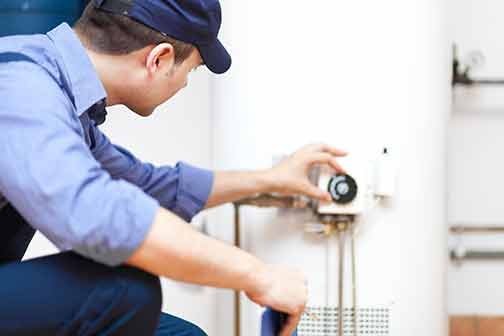



Water heater piping corrosion is a common issue that can lead to leaks, reduced water heater efficiency, and even complete system failure if left unaddressed. Corrosion occurs when the metal pipes and connections in the water heater system begin to break down due to prolonged exposure to water and air. This can be a frustrating problem for homeowners, but with the right knowledge and tools, it’s possible to fix the issue and prevent further damage.
Here’s a step-by-step guide to help you tackle water heater piping corrosion issues.
Step 1: Turn Off the Power and Water Supply
Before beginning any repair work, safety is the top priority. Turn off the power to your water heater. If you have an electric water heater, unplug it, or turn off the breaker in your electrical panel. For gas water heaters, turn the gas supply off. Additionally, shut off the water supply valve to the water heater.
Step 2: Inspect the Piping for Corrosion
Visually inspect the water heater’s pipes for signs of corrosion. This includes discoloration, rust, or even holes in the pipes. If your pipes are made of metal, they are more prone to corrosion over time, especially in areas with hard water or high mineral content. Some common signs of corrosion include:
- Rust-colored water
- Leaking or dripping around pipe connections
- Reduced water pressure
- Foul-smelling water
If you notice any of these symptoms, it's a good indication that the pipes need attention.
Step 3: Shut Off the Water Supply to the Home
In many cases, it’s necessary to shut off the main water supply to the house to stop water from flowing while you work on the pipes. Locate the main water shut-off valve and turn it off before proceeding.
Step 4: Replace Corroded Pipes
If the corrosion is extensive, the most effective solution is to replace the corroded pipes. To do this:
Step 5: Install a Corrosion-Resistant Anode Rod
In many cases, the corrosion of the pipes is linked to the degradation of the anode rod in the water heater. The anode rod helps prevent corrosion inside the tank, so if it’s worn out, the tank’s interior (and the connected pipes) are more likely to corrode.
Step 6: Flush the Tank
After replacing the corroded piping and installing a new anode rod, it’s a good idea to flush the tank to remove any debris or sediment that might have accumulated during the repair process. To do this, attach a hose to the drain valve at the bottom of the water heater, open the valve, and allow the water to flow out. Let the water run for several minutes until it flows clean.
Step 7: Turn On the Water and Power Supply
Once all repairs are complete, turn on the main water supply and open the valve to your water heater. Then, switch the power back on—whether it’s by turning the breaker on for electric units or reigniting the pilot light for gas units. Allow the water heater to heat the water, and check for any leaks around the newly installed pipes.
Why Smile HVAC?
At Smile HVAC, Toronto's Best HVAC Service Company, we prioritize your comfort and peace of mind by offering reliable, top-quality HVAC services tailored to meet your specific needs. With years of experience serving Canadian homes, our team of certified professionals ensures expert installation, maintenance, and repairs using the latest technology and energy-efficient solutions. We pride ourselves on excellent customer service, transparent pricing, and fast response times, making us the trusted choice for all your heating and cooling needs. Choose Smile HVAC for a service that delivers comfort, savings, and a smile every time.
Our Service Locations
· Water Heater Repair Brampton
· Water Heater Repair Pickering
· Water Heater Repair North York
Conclusion
Dealing with water heater piping corrosion can be a hassle, but with the right approach, you can resolve the issue and restore your water heater to full functionality. By replacing corroded pipes, installing a new anode rod, and ensuring everything is sealed properly, you can prolong the life of your system and avoid costly repairs in the future. If you're unsure about handling the repair yourself, don’t hesitate to contact Smile HVAC for professional help with all your water heater needs.



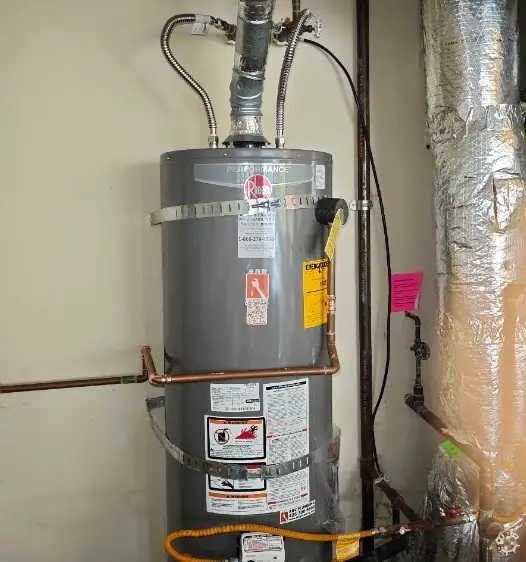
Discolored water from taps can be frustrating for homeowners in Kirkland, especially when it appears without warning. Brown, cloudy, or yellow water often signals developing issues within a water h