When it comes to selecting the best tool for your shower routine, there are a variety of options available, from washcloths and loofahs to sponges and exfoliating brushes. Among the most popular choices are the traditional bath sponge and the luffa for the shower, but how do they compare? Is one better than the other? With increasing awareness around sustainable and eco-friendly products, many are considering whether a luffa, a natural product, could be a better alternative to synthetic sponges. In this article, we will explore seven important factors to help you decide whether a luffa is truly better than a sponge for your shower.
1. Material: Natural vs. Synthetic
The material used to make your shower tool can have a significant impact on its performance and sustainability.
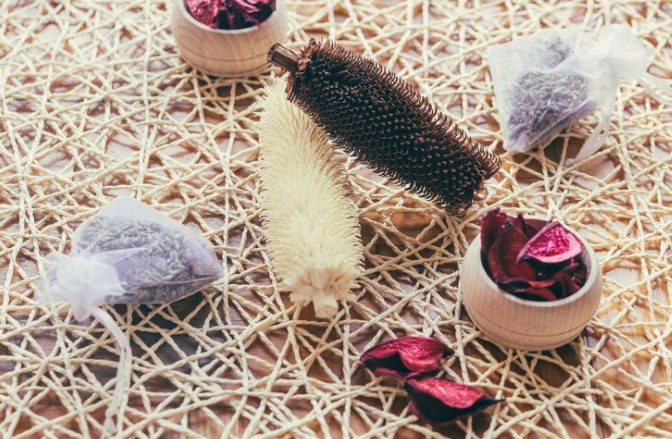
Luffa for the Shower: Luffas, also spelled loofahs, are made from the dried fibrous interior of the luffa plant (Luffa aegyptiaca), which is a type of gourd. Unlike synthetic sponges, luffas are 100% natural and biodegradable, making them an eco-friendly option. They are generally more sustainable as they are compostable when they reach the end of their life.
Sponges: On the other hand, most conventional sponges are made from synthetic materials such as polyurethane or foam. These materials can take hundreds of years to decompose, contributing to environmental waste. While some sponges are labeled as biodegradable, they often contain additives or chemicals that make them less sustainable than a luffa.
If you are looking for an environmentally conscious choice, a luffa is typically the better option. Not only is it made from natural fibers, but it also has a lower environmental footprint compared to its synthetic counterparts.
2. Exfoliating Properties
Exfoliation is one of the main reasons people use sponges and luffas in the shower. Both tools help remove dead skin cells, but they do so in different ways.
Luffa for the Shower: A luffa offers a rougher texture, which can be beneficial for exfoliating your skin. The natural fibers of the luffa create a more abrasive surface compared to a regular sponge, which can be great for sloughing off dead skin, promoting cell turnover, and leaving your skin feeling smoother and more refreshed. However, the intensity of the exfoliation can vary depending on the age and condition of the luffa. Over time, luffas become softer as they wear out, so they might not exfoliate as effectively as when they were new.
Sponges: Synthetic sponges tend to have a gentler exfoliating effect. While they may still provide some exfoliation, their texture is usually much softer than a luffa, making them ideal for sensitive skin. If you’re someone who prefers a gentler scrub or has more delicate skin, a sponge might be the better option for you.
So, when it comes to exfoliation, the luffa generally provides a stronger scrub, but it might be too rough for people with sensitive skin. The sponge offers a more moderate, less abrasive option.
3. Durability and Longevity
The durability of your shower tool is an important consideration, as no one wants to be replacing their luffa or sponge too frequently.
Luffa for the Shower: Luffas are incredibly durable when properly cared for. However, they do require some attention. Over time, the natural fibers of a luffa can break down with frequent exposure to water, soap, and moisture. To extend the lifespan of a luffa, it’s important to rinse it thoroughly after each use and hang it in a well-ventilated area to dry. If left wet for extended periods, a luffa can become moldy or develop an unpleasant odor.
Sponges: Synthetic sponges can last longer than luffas in some cases, but their durability depends on the quality of the materials used. High-quality sponges may last for several months, but most sponges will need to be replaced after a few weeks or when they begin to show signs of wear. They also tend to harbor bacteria, which can shorten their lifespan and require more frequent cleaning.
In terms of longevity, synthetic sponges might edge out luffas, but this is at the cost of sustainability and the potential buildup of bacteria. Luffas, though requiring more maintenance, can last a longer time if properly cared for.
4. Hygiene and Maintenance
Maintaining a clean shower tool is key to ensuring a healthy and hygienic shower experience. Both luffas and sponges require regular cleaning to prevent the growth of bacteria, mold, and mildew.
Luffa for the Shower: Since luffas are made from natural plant fibers, they can trap moisture and are more susceptible to bacterial growth if not dried properly after each use. To maintain hygiene, it is recommended to rinse your luffa thoroughly after use and allow it to dry completely in a well-ventilated area. A good practice is to replace your luffa every 4 to 6 weeks, as it can begin to break down and harbor bacteria over time.
Sponges: Sponges, particularly synthetic ones, can also develop bacteria and mold if not cleaned or dried properly. They can retain moisture and trap soap residue, making them prone to becoming breeding grounds for germs. Many people choose to sanitize their sponges by microwaving them or placing them in the dishwasher, though this may not always completely eliminate the bacteria. Like luffas, sponges should be replaced regularly to avoid hygiene issues.
In terms of hygiene, both luffas and sponges require maintenance. However, the luffa, being a natural material, may require more careful drying and replacement to avoid bacterial buildup.
5. Comfort and Sensitivity
Comfort is another key factor to consider when choosing between a luffa and a sponge. Your skin’s sensitivity plays a role in which option might be best suited for your needs.
Luffa for the Shower: A luffa can feel rougher against the skin due to its fibrous texture, which is great for exfoliation but may not be the best choice for those with sensitive skin. If you have dry, irritated, or inflamed skin, the luffa may cause discomfort and aggravate any existing skin conditions. However, people with oily or normal skin may find the luffa’s rough texture invigorating and effective at removing buildup.