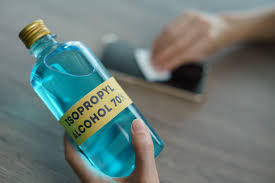
Isopropyl alcohol is a household name with remarkable versatility in cleaning, healthcare, and industrial applications. Commonly known as rubbing alcohol, this powerful solvent has become an indispensable product in homes and workplaces. With its strong disinfectant properties and ability to dissolve oils and dirt, isopropyl alcohol is practical and essential for maintaining hygiene and safety.
This article dives into the many uses, benefits, and safety measures surrounding isopropyl alcohol, offering insights that cater to professionals and everyday users. Whether you’re cleaning surfaces or managing minor wounds, this alcohol is a go-to solution.
What Is Isopropyl Alcohol?
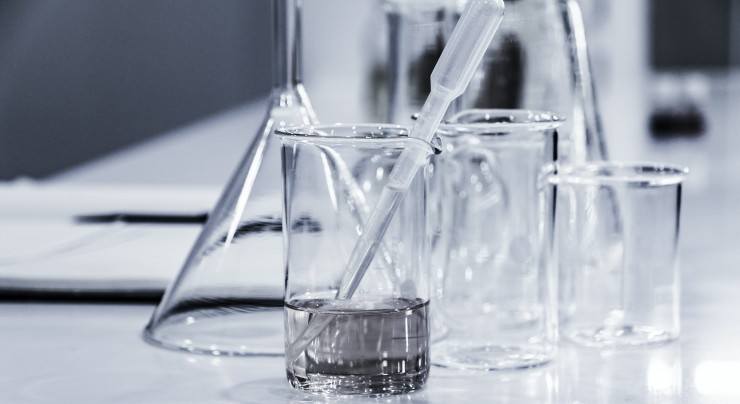
Isopropyl alcohol, chemically known as isopropanol, is a clear, colorless liquid with a sharp odor. It belongs to the family of alcohols and has the molecular formula C₃H₈O. The substance is a highly effective solvent and disinfectant due to its ability to kill bacteria, fungi, and viruses.
This alcohol is widely available in concentrations ranging from 70% to 99%. Each concentration serves specific purposes, so knowing which one to use for your needs is essential.
The Chemistry Behind Isopropyl Alcohol
- Composition: This solvent consists of a combination of carbon, hydrogen, and oxygen atoms. Its polar and non-polar properties allow it to dissolve various substances.
- Evaporation: One of its notable characteristics is its quick evaporation, leaving surfaces clean and residue-free.
This chemical structure explains its widespread use in both medical and household applications.
Critical Benefits of Isopropyl Alcohol
- Disinfection: Known for its germ-killing properties, isopropyl alcohol is a cornerstone in healthcare for sanitizing tools and cleaning wounds.
- Quick-Drying: Its fast evaporation makes it ideal for cleaning electronics and glass surfaces without leaving streaks.
- Affordable: Compared to other cleaning agents, isopropyl alcohol is budget-friendly and widely available.
- Multi-purpose: Its uses are endless, from first-aid kits to industrial cleaning.
Top 10 Uses of Isopropyl Alcohol
Cleaning Electronics
Safely clean screens, keyboards, and other gadgets using 70% isopropyl alcohol to avoid moisture damage.
Medical Applications
Sterilize medical instruments and clean wounds effectively with rubbing alcohol.
Removing Sticky Residue
Eliminate adhesive remnants from labels or stickers effortlessly with this solvent.
Deodorizing Shoes
Spray a solution of isopropyl alcohol inside shoes to kill odor-causing bacteria.
Disinfecting Surfaces
Ensure a germ-free environment by wiping countertops, doorknobs, and light switches.
Cleaning Mirrors and Glass
Achieve streak-free results by using 90% isopropyl alcohol.
Making DIY Hand Sanitizers
Combine aloe vera gel with isopropyl alcohol to create a cost-effective hand sanitizer.
Removing Permanent Marker Stains
Dab some rubbing alcohol on a cloth and wipe the marks away without damaging surfaces.
Refreshing Makeup Tools
Clean and disinfect brushes and sponges regularly to maintain hygiene.
Car Care
Use it to clean windows, remove grease, and even prevent frost on windshields during winter.
Why Is 70% Isopropyl Alcohol More Effective for Disinfection?
It might seem counterintuitive, but a 70% concentration of isopropyl alcohol is more effective at killing germs than 99%. This is because the water content in the 70% solution allows for slower evaporation, giving it more time to penetrate cell walls and destroy pathogens.
Safety Tips When Using Isopropyl Alcohol
- Avoid Ingestion: Even small amounts of isopropyl alcohol are toxic when consumed.
- Proper Ventilation: Use in well-ventilated areas to avoid inhaling fumes.
- Fire Hazard: Keep it from open flames as it is highly flammable.
- Skin Sensitivity: Prolonged use may cause dryness; use gloves if necessary.
Frequently Asked Questions
What is the shelf life of isopropyl alcohol?
Unopened bottles can last up to three years. However, for optimal effectiveness, they should be used within six months of opening.
Can I dilute isopropyl alcohol with water?
Yes, especially when creating a 70% solution for disinfection.
Is isopropyl alcohol safe for pets?
Avoid using it directly on pets, as ingestion or absorption can be harmful.
What’s the difference between rubbing alcohol and isopropyl alcohol?
Rubbing alcohol often contains added water or other ingredients, while isopropyl alcohol is Apure.
Can it remove odors from fabrics?
Yes, lightly spraying diluted isopropyl alcohol can eliminate odors.
Is it effective against viruses?
It can kill many viruses, including those causing colds and flu, with proper usage.
Conclusion
Isopropyl alcohol is an incredibly versatile and effective product that is used in healthcare, household cleaning, and beyond. Its affordability, availability, and efficiency make it a staple in many settings. By understanding its uses, benefits, and precautions, you can harness the full potential of this remarkable solvent.