Introduction
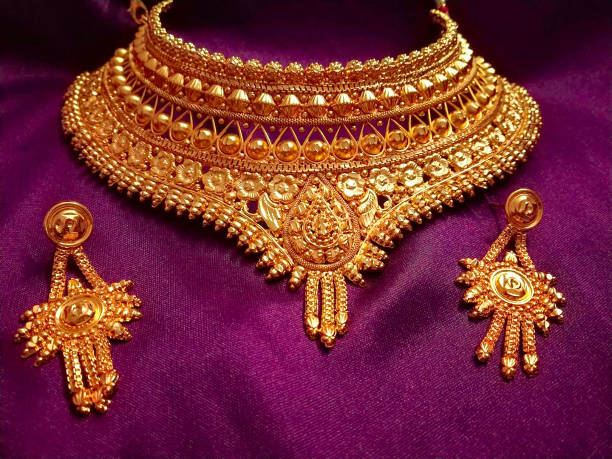
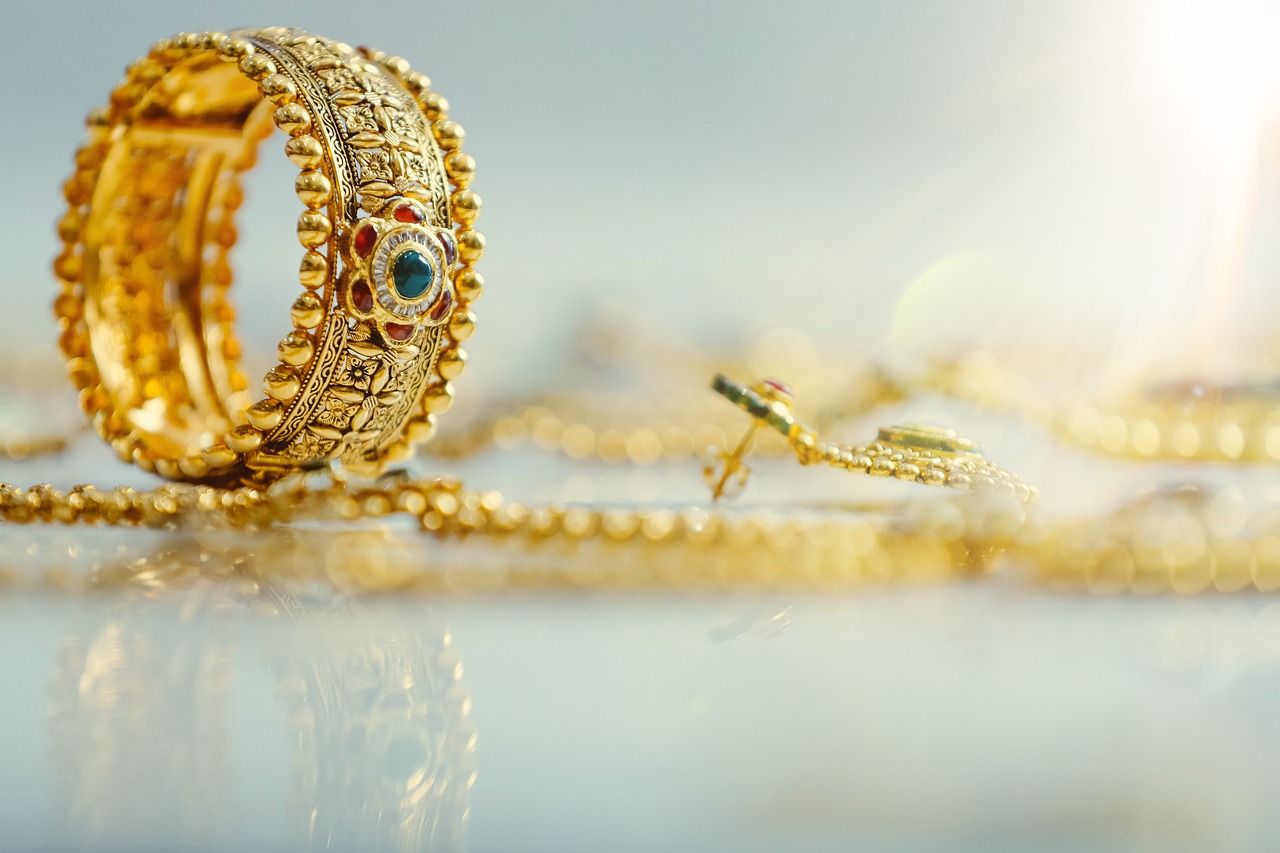
Indian jewellery, known for its beautiful craftsmanship and cultural significance, has fascinated people all over the world for ages. Indian jewelry, ranging from opulent gold pieces to delicate silver patterns, is a stunning representation of the country's unique heritage, traditional artistry, and spiritual symbolism. Indian jewellery continues to captivate with its ageless appeal and cultural depth, whether worn at weddings, holiday festivities, or as everyday adornments.
Introduction: Indian jewellery is more than just ornamentation; it is a tribute to culture, tradition, and workmanship that has grown over thousands of years. With a strong connection to Indian traditions, festivals, and regal legacies, this jewelry tells stories of past civilizations and different regional styles. Its charm comes from the elaborate decorations and the The materials utilized were gold, silver, diamonds, pearls, and vivid gemstones.
The Craftsmanship Behind Indian Jewelry:
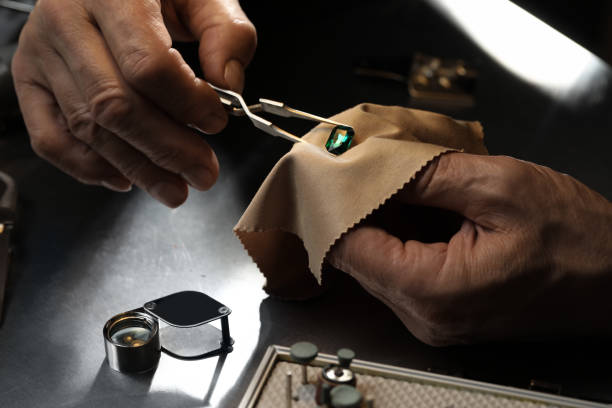
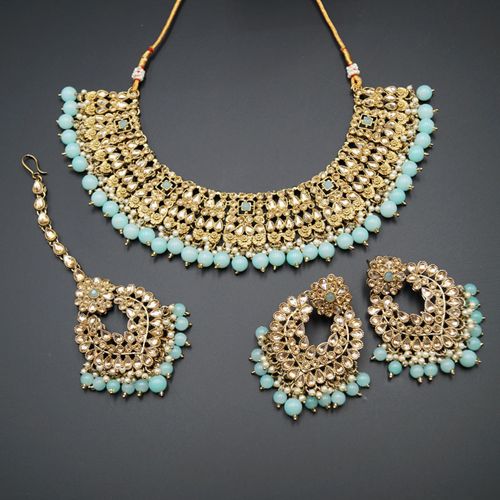
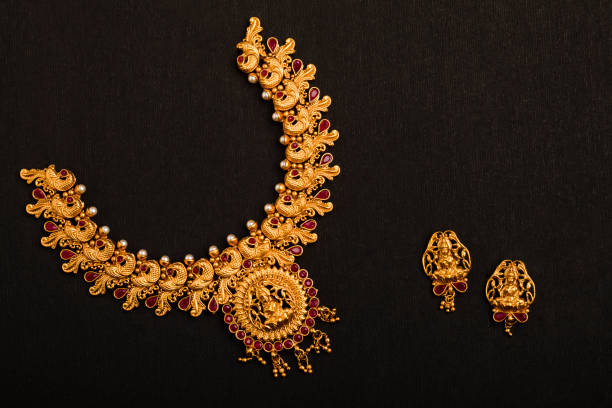
The creativity of Indian jewellery is very amazing. Each piece is a work of art, often created by talented artisans who have passed down their skills over years. Kundan, Meenakari, Polki, and Temple jewels are among the most popular, each with its own style and legacy.
Kundan jewellery, famous for its exquisite arrangement of uncut diamonds, is frequently connected with Rajasthan and Gujarat.
Meenakari, a sort of enameling, is used to create elaborate, colorful designs on gold or silver, which is commonly found in North Indian jewellery.
Polki is another type of traditional Indian jewelry comprising uncut diamonds set in gold and silver, popular in regal circles.
Temple jewellery, which originated in the South of India, is inspired by Hindu temples and depicts gods and goddesses. It is frequently worn by dancers and temple priests.
Symbolism & Cultural Significance:
Indian jewellery frequently has significant spiritual significance and is linked to numerous religious and cultural rituals. For example, married women wear the Mangalsutra necklace, which represents marital fidelity. Similarly, the Nath (nose ring) is linked to feminine beauty and is a popular adornment in many cultures.
Jewellery is often used to commemorate milestones and celebrate special occasions. The grandeur of bridal jewelry symbolizes the importance of weddings in Indian culture, since the bride's jewelry reflects her family's status as well as the couple's future.
Indian Jewellery throughout the World:
Over time, Indian jewellery has transcended international borders, earning global acclaim for its distinctive designs and timeless appeal. The worldwide jewellery business continues to appreciate Indian styles by infusing elements of Indian creativity into contemporary designs. Celebrities and fashion icons frequently choose Indian jewellery for its eye-catching appeal, particularly for red carpet events and cultural celebrations.
Conclusion:
The magical allure of Indian jewellery stems from its ability to combine history and contemporary while maintaining its cultural identity. Whether you're drawn to the intricate beauty of the designs or the deeper symbolism, Indian jewelry celebrates history, art, and workmanship. Its international appeal continues to inspire people all across the world, cementing its status as a timeless symbol of elegance and legacy.