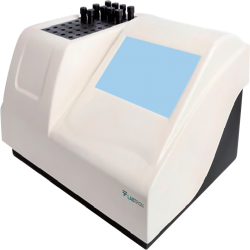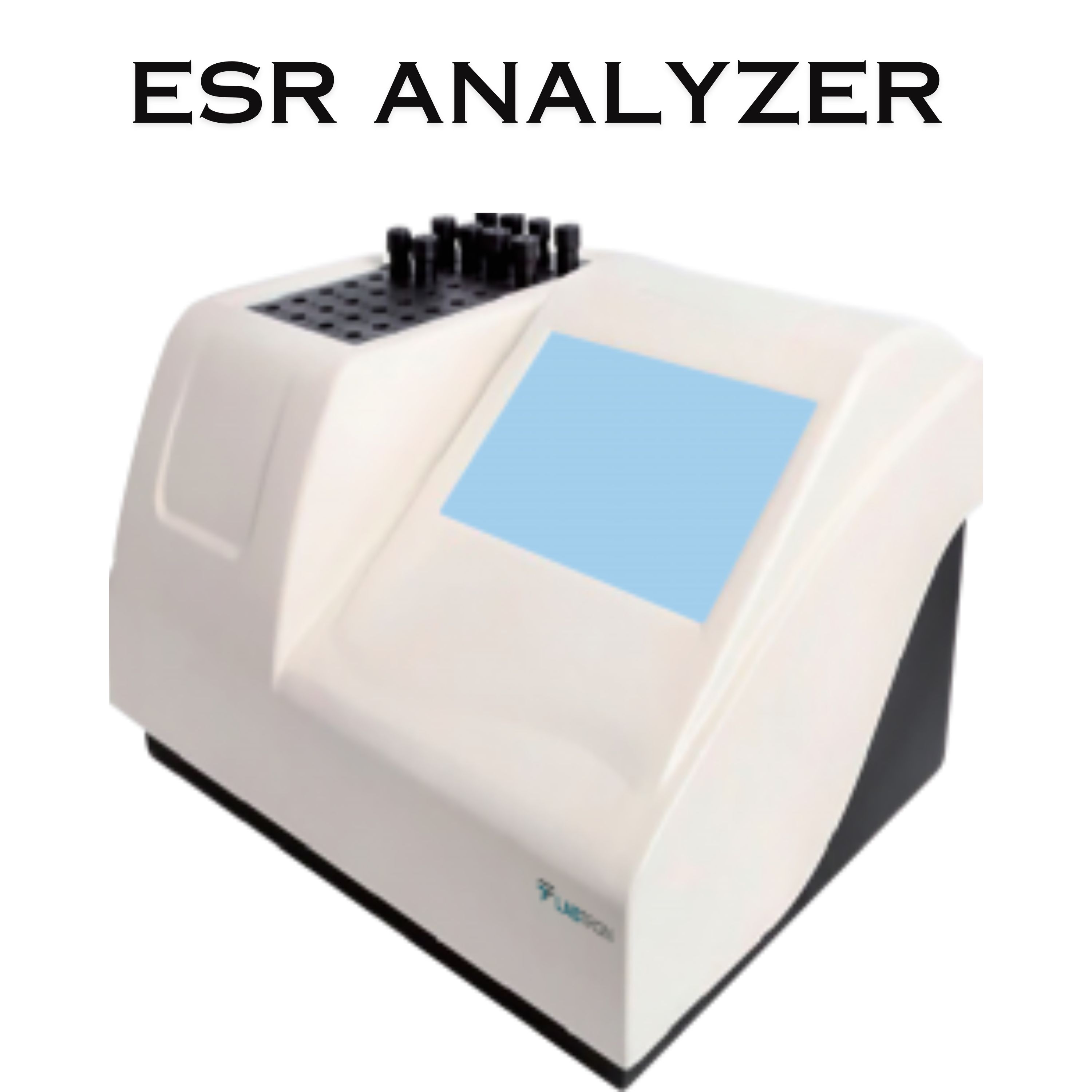
Optimizing Inflammation Testing: A Comprehensive Solution for Efficient ESR Analysis The Erythrocyte Sedimentation Rate (ESR) test is a vital diagnostic tool used to detect inflammation in the body, providing essential information for diagnosing conditions such as infections, autoimmune diseases, and cancers. With the growing demand for faster, accurate results in medical testing, the ESR analyzer has become a crucial asset in clinical laboratories, offering enhanced efficiency, precision, and usability. This advanced ESR analyzer, equipped with infrared sensor technology, is designed to streamline the testing process while ensuring reliable, reproducible results. Key Features of the ESR Analyzer Portable and Convenient: The compact, portable design of the ESR analyzer allows it to be easily used in various settings, including hospitals, clinics, and diagnostic laboratories. Its mobility ensures that it can be transported or moved around as needed, maximizing space and flexibility in different environments. Infrared Sensor Technology: This analyzer uses advanced infrared sensors to measure the ESR accurately. The infrared technology ensures precise and reliable measurements with minimal interference, leading to consistent results for better diagnosis. Wide ESR Measurement Range: With a range of 1 to 140 mm/h, this ESR analyzer accommodates a broad spectrum of medical cases, from mild to severe inflammatory conditions. It provides comprehensive data for accurate diagnosis and disease monitoring. High Sample Throughput: Capable of processing up to 80 samples per hour, the analyzer greatly enhances laboratory productivity. Its high throughput makes it ideal for busy clinical environments, where quick turnaround times are crucial for timely diagnoses. Simultaneous Sample Testing: The analyzer allows for the simultaneous testing of up to 20 samples, making it ideal for labs handling large numbers of tests. This capability optimizes workflow and reduces testing time, making it easier to handle high volumes of samples. Flexible Testing Times: With the option of 30-minute or 60-minute analysis times, the ESR analyzer offers flexibility depending on the clinical requirements, allowing healthcare professionals to choose the best testing duration for accurate results. User-Friendly Interface: The analyzer features a large, color touchscreen that provides clear, easy-to-read information. The intuitive interface ensures that users can easily navigate through settings, monitor progress, and access results without any technical complexity. Integrated Printer: The built-in printer allows for immediate printing of test results, which is particularly useful for clinicians who need to quickly share results with patients or other healthcare professionals. This built-in functionality saves time and increases the overall efficiency of the testing process. RS232 Interface for Data Integration: With an RS232 interface, the ESR analyzer seamlessly integrates with other laboratory information systems (LIS) or external devices for smooth data transfer, enabling easy record-keeping and digital analysis of results. Minimal Maintenance and Durability: Designed for reliability, this ESR analyzer is built with high-quality materials that ensure long-term durability and minimal maintenance, making it a cost-effective choice for healthcare facilities. Benefits of the ESR Analyzer Enhanced Diagnostic Efficiency: The analyzer’s high throughput and simultaneous sample testing features drastically reduce waiting times for results. This allows healthcare providers to make quicker diagnostic decisions, improving overall patient care. Improved Workflow and Productivity: With the ability to process large numbers of samples efficiently, this analyzer streamlines the testing process and minimizes the manual workload of laboratory staff. This boosts productivity, particularly in high-volume testing environments. Cost-Effective Solution: With its durability, minimal maintenance requirements, and the ability to handle a high sample throughput, the ESR analyzer proves to be a cost-effective solution for medical facilities looking to optimize resources without compromising on accuracy. Accurate and Consistent Results: Infrared sensor technology ensures that the analyzer provides reliable, reproducible results, reducing the risk of errors and enhancing diagnostic confidence. This accuracy is critical for effective treatment planning and patient management. Faster Patient Care: Faster ESR testing translates to faster diagnoses. By shortening the time it takes to receive test results, healthcare providers can act more quickly to address patient conditions, improving treatment outcomes and reducing the risk of complications. Flexible for Various Settings: Whether in a small clinic or a large hospital, the portable design of the analyzer makes it adaptable for various healthcare settings. Its compact size and simple interface ensure that even staff with minimal technical experience can operate the device with ease. Data Management Integration: The RS232 interface facilitates easy data transfer to other medical systems, allowing for streamlined integration with laboratory information systems (LIS), ensuring better record-keeping, analysis, and patient tracking. Time and Space Efficient: The analyzer’s portable design, along with its high sample throughput, minimizes both physical and time-based resource demands, making it an ideal choice for labs and clinics with limited space or time constraints. Conclusion The ESR analyzer is a powerful tool that revolutionizes the way healthcare professionals conduct inflammation testing. Combining advanced infrared sensor technology with a user-friendly interface, high throughput, and seamless data integration, this portable device offers a comprehensive solution for faster, more accurate ESR testing. Its ability to process multiple samples simultaneously and provide flexible analysis times makes it a perfect fit for busy medical environments. With features like a built-in printer and RS232 interface, the ESR analyzer simplifies workflows, enhances productivity, and ensures high-quality results that improve patient care. This device not only meets the demands of modern healthcare but also contributes to more efficient, cost-effective, and accurate diagnostic processes in any clinical setting.