Car Security Systems: Enhancing Vehicle Protection
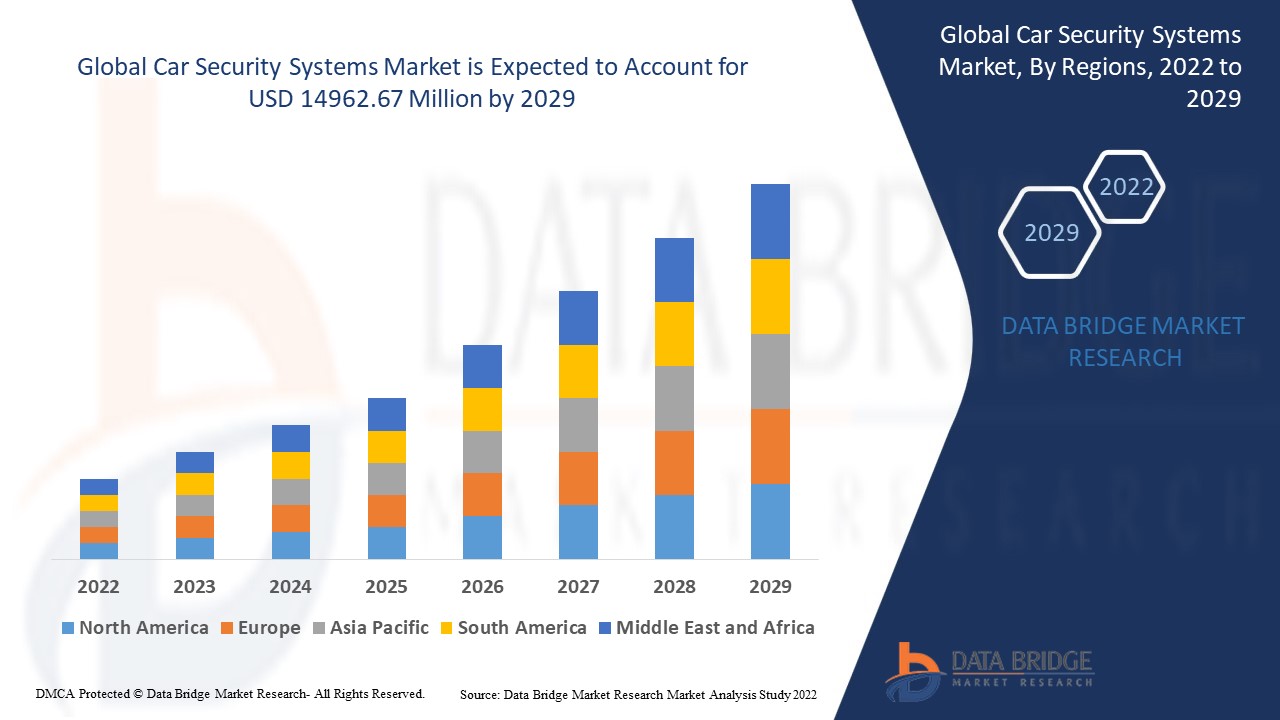
Car security systems have evolved significantly over the years, providing enhanced protection for vehicles and their occupants. Modern car security systems are designed to deter theft, prevent unauthorized access, and ensure the safety of the vehicle and its contents. These systems include a variety of features such as alarms, immobilizers, tracking devices, and keyless entry systems. Understanding the importance of car security systems can help drivers make informed decisions when choosing a vehicle.
One of the most common car security systems is the alarm system. Car alarms are designed to emit a loud noise when triggered, usually by unauthorized entry or movement. This noise serves as a deterrent to potential thieves and alerts the vehicle owner and nearby individuals to the attempted theft. Advanced car alarms may also include features such as remote control activation, silent alarms, and integration with mobile apps for real-time notifications.
Immobilizers are another critical component of modern car security systems. An immobilizer prevents the engine from starting unless the correct key or key fob is present. This technology significantly reduces the risk of car theft, as it makes it difficult for thieves to start the vehicle without the proper authorization. Many modern vehicles come equipped with factory-installed immobilizers, but aftermarket options are also available for older models.
Tracking devices are becoming increasingly popular as part of comprehensive car security systems. These devices use GPS technology to track the location of the vehicle in real-time. In the event of a theft, the vehicle owner can use the tracking device to locate and recover their car quickly. Some tracking systems also offer additional features such as geofencing, which alerts the owner if the vehicle leaves a designated area, and remote immobilization, which allows the owner to disable the vehicle remotely.
Keyless entry systems provide convenience and added security for vehicle owners. These systems allow drivers to unlock and start their vehicles without physically inserting a key. Instead, the vehicle detects the presence of a key fob or smartphone and grants access. While keyless entry systems offer many benefits, they also present new security challenges, such as the risk of relay attacks. To mitigate these risks, some keyless entry systems now include additional security measures, such as rolling codes and signal blocking pouches.
Car Safety Features: Essential Technologies for Safe Driving
Car safety features are crucial for ensuring the safety of drivers, passengers, and pedestrians. These features are designed to prevent accidents, reduce the severity of collisions, and protect occupants in the event of a crash. Some of the most important car safety features include airbags, anti-lock braking systems (ABS), electronic stability control (ESC), and traction control. These technologies work together to provide a safer driving experience and minimize the risk of injury.
Airbags are a fundamental car safety feature that provides protection to occupants in the event of a collision. Modern vehicles are equipped with multiple airbags, including front, side, curtain, and knee airbags. These airbags deploy rapidly upon impact, cushioning occupants and reducing the risk of serious injury. The effectiveness of airbags has been proven in numerous studies, making them an essential component of vehicle safety.
The anti-lock braking system (ABS) is a crucial safety feature that prevents the wheels from locking up during hard braking. By maintaining traction and preventing skidding, ABS allows drivers to maintain control of the vehicle and steer away from potential hazards. This technology is particularly beneficial in slippery conditions, such as rain or snow, and has been shown to reduce the risk of accidents.
Electronic stability control (ESC) is an advanced safety system that helps prevent skids and rollovers by detecting and reducing the loss of traction. ESC uses sensors to monitor the vehicle's movement and can apply individual brakes or reduce engine power to maintain stability. This feature is especially important in emergency maneuvers and adverse driving conditions. This feature helps prevent accidents caused by loss of traction on slippery surfaces, such as wet or icy roads, and enhances overall vehicle stability.
Traction control systems are designed to prevent wheel spin and maintain traction during acceleration. By monitoring wheel speed and adjusting engine power or applying brakes to individual wheels, traction control helps drivers maintain control of their vehicle on slippery or uneven surfaces. This feature is especially beneficial in adverse weather conditions, such as rain, snow, or ice.
Car Safety Systems: Advanced Technologies for Modern Vehicles
Car safety systems have become increasingly sophisticated, incorporating advanced technologies to enhance vehicle safety. These systems include adaptive cruise control, lane departure warning, blind-spot monitoring, and automatic emergency braking. By utilizing sensors, cameras, and radar, these systems can detect potential hazards and take corrective action to prevent accidents. Understanding the capabilities and benefits of modern car safety systems can help drivers stay safe on the road.
Adaptive cruise control (ACC) is an advanced safety feature that automatically adjusts the vehicle's speed to maintain a safe following distance from the car ahead. This system uses radar and cameras to monitor traffic conditions and can slow down or speed up the vehicle as needed. ACC is particularly useful in heavy traffic and long-distance driving, reducing driver fatigue and the risk of rear-end collisions.
Lane departure warning (LDW) systems alert drivers when their vehicle begins to drift out of its lane without signaling. This feature uses cameras to monitor lane markings and provides visual, audible, or haptic warnings to the driver. LDW helps prevent accidents caused by unintentional lane changes and can be especially beneficial for drowsy or distracted drivers.
Blind-spot monitoring (BSM) systems use sensors to detect vehicles in the driver's blind spots and provide warnings to prevent lane-change collisions. When a vehicle is detected in the blind spot, the system typically activates a warning light on the side mirror or an audible alert. BSM enhances driver awareness and reduces the risk of accidents during lane changes.
Automatic emergency braking (AEB) systems are designed to prevent or mitigate collisions by automatically applying the brakes when a potential crash is detected. This feature uses sensors and cameras to monitor the road ahead and can detect other vehicles, pedestrians, and obstacles. AEB can significantly reduce the severity of accidents and, in some cases, prevent them altogether.
Rearview Cameras: Enhancing Rear Visibility
Rearview cameras have become a standard feature in modern vehicles, providing drivers with a clear view of the area behind their car. This feature is especially useful when reversing, parking, or maneuvering in tight spaces. Rearview cameras help prevent accidents by allowing drivers to see obstacles, pedestrians, and other vehicles that may be out of their line of sight.
Parking Sensors: Assisting with Parking
Parking sensors use ultrasonic or electromagnetic technology to detect objects around the vehicle and provide warnings to the driver. These sensors are typically located on the front and rear bumpers and can help drivers avoid collisions while parking. The system emits audible or visual alerts when the vehicle gets too close to an object, making parking safer and more convenient.
Tire Pressure Monitoring System (TPMS): Ensuring Proper Tire Inflation
The tire pressure monitoring system (TPMS) is a safety feature that alerts drivers when their tire pressure is too low. Proper tire inflation is essential for safe driving, as underinflated tires can lead to poor handling, increased tire wear, and a higher risk of blowouts. TPMS helps drivers maintain optimal tire pressure, improving vehicle safety and fuel efficiency.
Conclusion: The Future of Car Safety
The advancements in car safety features and systems have significantly improved the safety of modern vehicles. From adaptive cruise control and lane departure warning to airbags and anti-lock braking systems, these technologies work together to protect drivers, passengers, and pedestrians. As technology continues to evolve, we can expect even more innovative safety features to be developed, making our roads safer for everyone.
Passenger Car Security Systems are systems designed to permit or deny access to vehicles.
Advanced microelectronics and RF technologies have improved security functions and featured new capabilities.
Currently, the technologies most widely and successfully applied in these systems are Immobilizer, RKE, PKE and PKG.In 2014, the global production of the passenger car security systems reaches over 126 million units; the growth rate is around 5% during the last five years.
And we estimate the growth rate will be stable in the following years.Download FREE Sample of this Report @ https://www.grandresearchstore.com/report-sample/global-passenger-car-security-systems-2019-2024-450According to this study, over the next five years the Passenger Car Security Systems market will register a 1.7% CAGR in terms of revenue, the global market size will reach US$ 7460 million by 2024, from US$ 6870 million in 2019.
In particular, this report presents the global market share (sales and revenue) of key companies in Passenger Car Security Systems business, shared in Chapter 3.This report presents a comprehensive overview, market shares, and growth opportunities of Passenger Car Security Systems market by product type, application, key manufacturers and key regions and countries.This study considers the Passenger Car Security Systems value and volume generated from the sales of the following segments:Segmentation by product type: breakdown data from 2014 to 2019, in Section 2.3; and forecast to 2024 in section 11.7.ImmobilizerRemote Keyless Entry (RKE)Passive Keyless Entry (PKE)Passive Keyless Go (PKG)Segmentation by application: breakdown data from 2014 to 2019, in Section 2.4; and forecast to 2024 in section 11.8.OEMAftermarketThis report also splits the market by region: Breakdown data in Chapter 4, 5, 6, 7 and 8.AmericasUnited StatesCanadaMexicoBrazilAPACChinaJapanKoreaSoutheast AsiaIndiaAustraliaEuropeGermanyFranceUKItalyRussiaSpainMiddle East & AfricaEgyptSouth AfricaIsraelTurkeyGCC CountriesThe report also presents the market competition landscape and a corresponding detailed analysis of the major vendor/manufacturers in the market.The key manufacturers covered in this report: Breakdown data in in Chapter 3.BoschContinentalDelphi AutomotiveAlps ElectricTRW AutomotiveLearHellaValeoTokai RikaMitsubishiFortinViperAvitalCheetahMitechCompustarAutowatchCrimestopperScorpion GroupiKeylessChanghuiYameiHirainShouthern DareHongtaiIn addition, this report discusses the key drivers influencing market growth, opportunities, the challenges and the risks faced by key manufacturers and the market as a whole.
It also analyzes key emerging trends and their impact on present and future development.Research objectivesTo study and analyze the global Passenger Car Security Systems consumption (value & volume) by key regions/countries, product type and application, history data from 2014 to 2018, and forecast to 2024.To understand the structure of Passenger Car Security Systems market by identifying its various subsegments.Focuses on the key global Passenger Car Security Systems manufacturers, to define, describe and analyze the sales volume, value, market share, market competition landscape, SWOT analysis and development plans in next few years.To analyze the Passenger Car Security Systems with respect to individual growth trends, future prospects, and their contribution to the total market.To share detailed information about the key factors influencing the growth of the market (growth potential, opportunities, drivers, industry-specific challenges and risks).To project the consumption of Passenger Car Security Systems submarkets, with respect to key regions (along with their respective key countries).To analyze competitive developments such as expansions, agreements, new product launches, and acquisitions in the market.To strategically profile the key players and comprehensively analyze their growth strategies.Get the Complete Report & TOC @ https://www.grandresearchstore.com/automotive-and-transportation/global-passenger-car-security-systems-2019-2024-450Table of content2019–2024 Global Passenger Car Security Systems Consumption Market Report1 Scope of the Report1.1 Market Introduction1.2 Research Objectives1.3 Years Considered1.4 Market Research Methodology1.5 Economic Indicators1.6 Currency Considered2 Executive Summary2.1 World Market Overview2.1.1 Global Passenger Car Security Systems Consumption 2014–20242.1.2 Passenger Car Security Systems Consumption CAGR by Region2.2 Passenger Car Security Systems Segment by Type2.2.1 Immobilizer2.2.2 Remote Keyless Entry (RKE)2.2.3 Passive Keyless Entry (PKE)2.2.4 Passive Keyless Go (PKG)2.3 Passenger Car Security Systems Consumption by Type2.3.1 Global Passenger Car Security Systems Consumption Market Share by Type (2014–2019)2.3.2 Global Passenger Car Security Systems Revenue and Market Share by Type (2014–2019)2.3.3 Global Passenger Car Security Systems Sale Price by Type (2014–2019)2.4 Passenger Car Security Systems Segment by Application2.4.1 OEM2.4.2 Aftermarket2.5 Passenger Car Security Systems Consumption by Application2.5.1 Global Passenger Car Security Systems Consumption Market Share by Application (2014–2019)2.5.2 Global Passenger Car Security Systems Value and Market Share by Application (2014–2019)CONTACT US:276 5th Avenue, New York , NY 10001,United StatesInternational: (+1) 646 781 7170 / +91 8087042414Email: help@grandresearchstore.comFollow Us On linkedin :- https://www.linkedin.com/company/grand-research-store/