Yes, there are different types of artificial turf specifically designed for playgrounds, each tailored to meet the needs of safety, durability, and comfort for children. These artificial turf solutions are designed with unique features to ensure that they are both functional and safe, providing a better alternative to natural grass in playgrounds. Below are the key types of artificial turf that are commonly used for playgrounds:
1. Sand-Infill Artificial Turf
Sand-infill artificial turf is one of the most popular types for playgrounds. It features a layer of sand inserted between the fibers of the turf to stabilise the fibers, prevent shifting, and provide a more cushioned surface.

The sand also helps with drainage, making it suitable for various weather conditions. This type of turf is often chosen for its safety, as the sand helps to reduce the impact of falls and injuries.
2. Rubber-Infill Artificial Turf
Rubber-infill artificial turf uses small rubber granules as infill material instead of sand. These rubber particles, often made from recycled tires, provide superior shock absorption, making the surface more cushioned. This type of turf is especially effective for playgrounds because it reduces the risk of injury from falls and provides a softer landing surface. It also tends to offer better longevity and performance over time.
3. Shock-Pad Underlay Systems
While not a type of turf itself, shock-pad underlay systems are often used in combination with artificial turf for playgrounds. These systems are installed underneath the turf to enhance its cushioning properties. The shock pads are made from materials like foam or rubber and are designed to absorb and disperse the impact of falls, providing an additional layer of safety. This type of system is highly recommended for playgrounds to meet safety standards like those set by the ASTM (American Society for Testing and Materials).
4. Low-Maintenance Turf
Some artificial turf options are designed specifically for low maintenance in high-traffic playground areas. These turfs are engineered to be more resistant to wear and tear, even with frequent use. They are made from high-quality synthetic fibers that can handle rough treatment without losing their appearance or integrity. These turfs also offer better drainage, ensuring that they stay usable in all weather conditions, reducing the risk of puddles or muddy spots in playground areas.
5. Eco-Friendly Turf
Eco-friendly artificial turf options are becoming increasingly popular, as more playgrounds prioritise sustainability. These turfs are made from recycled or recyclable materials, reducing their environmental impact. In some cases, the turf is also designed to use natural infill materials like cork or coconut husks instead of synthetic ones. These turfs provide the same benefits in terms of durability and safety while promoting a greener, more sustainable environment.
Conclusion
When selecting artificial turf for playgrounds solutions, it's essential to choose the right type based on safety, maintenance needs, and environmental considerations. The best turf will not only meet safety standards but also provide a durable, long-lasting solution for high-traffic playground areas.
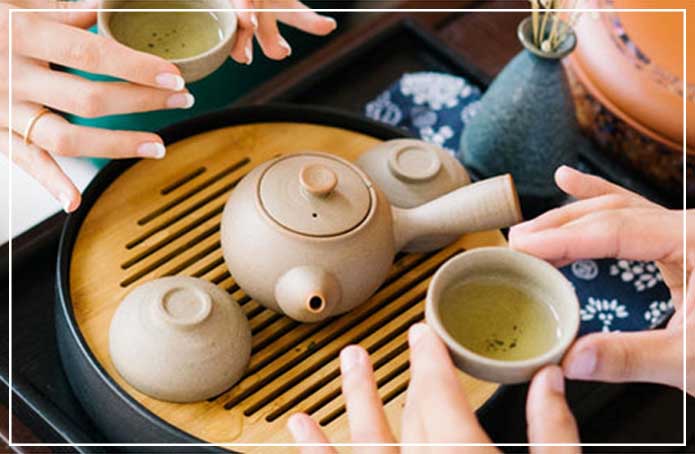
How many type of tea:Sometimes it is wondered how our lives revolve around tea.
May be any occasion or celebrations, it ends up with tea and coffee only.
But the majority are tea lovers.
Each day begins with a warm cup of tea being sipped while making plans for the day.
We have many special memories attached to tea.
The aroma, the taste of the tea instantly mesmerize the taste buds and one loves it.