




Understanding Lean Portfolio Management
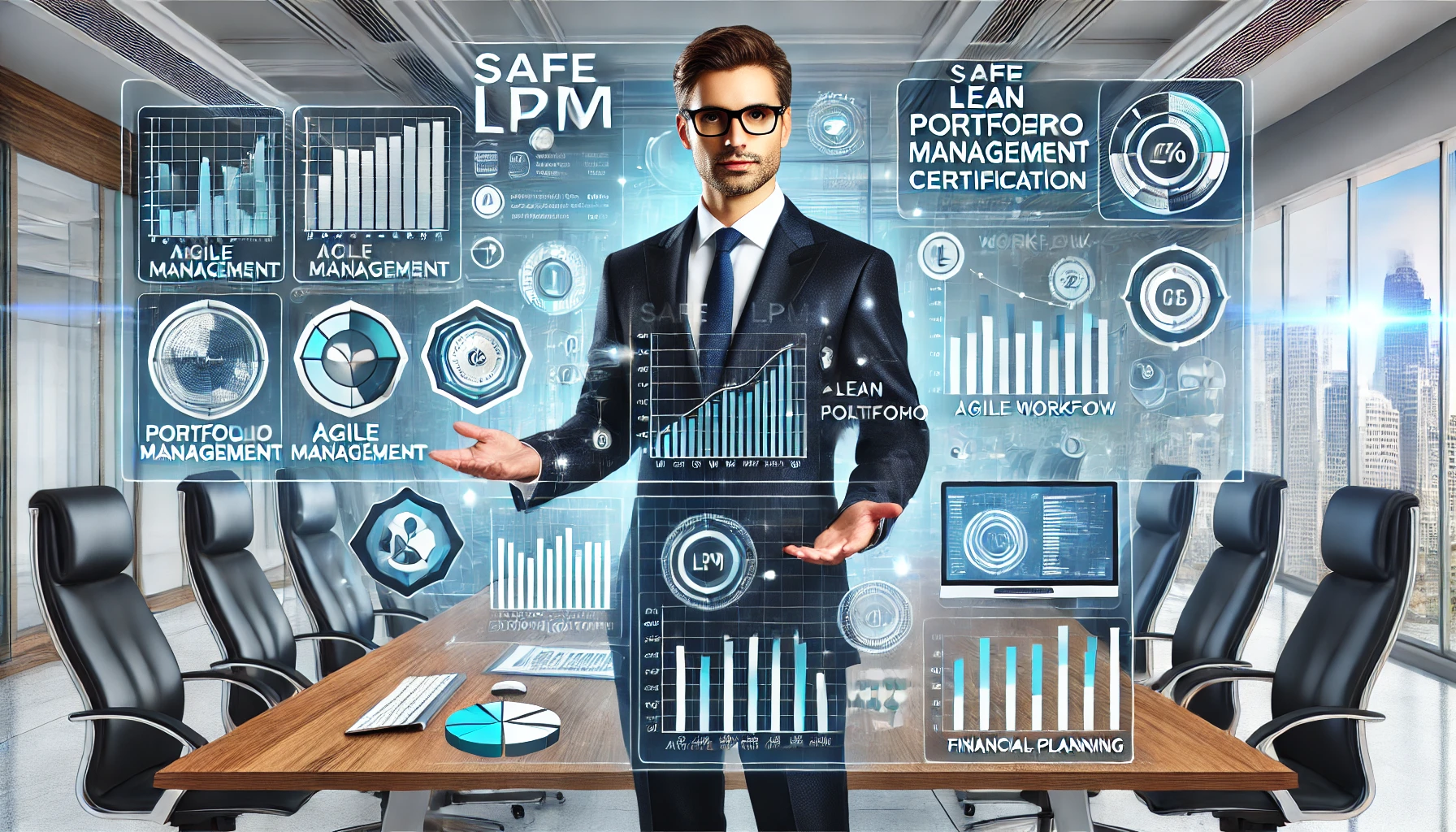
Lean Portfolio Management (LPM) is an approach that integrates lean thinking into portfolio management practices. It focuses on delivering value efficiently and effectively by aligning projects and initiatives with the organization’s strategic objectives. Safe LPM Certification emphasizes continuous improvement, flexibility, and the elimination of waste, ensuring that resources are allocated to the most critical and value-driven activities.
In the context of Lean Portfolio Management, the goal is to create a seamless flow of value from ideation to delivery. This involves prioritizing work based on its potential to deliver the highest value, managing the flow of work to avoid bottlenecks, and continuously reviewing and adjusting the portfolio to respond to changing business needs. By adopting LPM, organizations can ensure that their portfolio management practices are agile, responsive, and aligned with their strategic goals.
Effective Portfolio Management Tools for Enhanced Performance
Effective portfolio management requires the use of robust tools and techniques that enable organizations to plan, execute, and monitor their portfolios efficiently. These tools help in visualizing the portfolio, tracking progress, and making informed decisions. Some of the key portfolio management tools include:
Kanban Boards: Kanban boards provide a visual representation of work items and their progress through different stages. They help teams manage workflow, identify bottlenecks, and ensure a smooth flow of work.
Gantt Charts: Gantt charts are useful for planning and scheduling projects. They provide a visual timeline of tasks, their dependencies, and deadlines, helping teams to stay on track and manage time effectively.
Roadmaps: Roadmaps offer a high-level view of the portfolio, outlining key initiatives, milestones, and timelines. They help stakeholders understand the strategic direction and ensure alignment with business objectives.
Dashboards: Dashboards provide real-time insights into portfolio performance, allowing teams to track key metrics, identify trends, and make data-driven decisions.
Value Stream Mapping: Value stream mapping is a lean tool that helps organizations identify and eliminate waste in their processes. It provides a visual representation of the steps involved in delivering value, highlighting areas for improvement.
By leveraging these tools, organizations can enhance their portfolio management practices, improve visibility, and ensure that their efforts are aligned with their strategic goals.
Achieving Excellence with SAFe LPM Certification
The SAFe Lean Portfolio Management (LPM) certification is designed to equip professionals with the knowledge and skills needed to implement lean portfolio management practices effectively. This certification is part of the Scaled Agile Framework (SAFe), which provides a comprehensive approach to scaling agile practices across the organization.
The SAFe LPM certification covers various aspects of lean portfolio management, including strategy and investment funding, agile portfolio operations, and lean governance. By obtaining this certification, professionals can gain a deep understanding of how to align portfolio management practices with business strategies, ensuring that resources are allocated to the most valuable initiatives.
Some of the key benefits of SAFe LPM certification include:
Enhanced Strategic Alignment: The certification provides insights into aligning portfolio management practices with business strategies, ensuring that projects and initiatives are focused on delivering maximum value.
Improved Decision-Making: The certification equips professionals with the tools and techniques needed to make informed decisions, prioritize work effectively, and manage resources efficiently.
Increased Agility: By adopting lean portfolio management practices, organizations can become more agile, responsive, and adaptable to changing business needs.
Continuous Improvement: The certification emphasizes the importance of continuous improvement, encouraging professionals to regularly review and adjust their portfolio management practices to achieve better outcomes.
Better Collaboration: The certification promotes a collaborative approach to portfolio management, fostering communication and alignment among stakeholders.
Overall, the SAFe LPM certification provides professionals with the knowledge and skills needed to elevate their portfolio management practices, ensuring better alignment with business strategies and improved organizational performance.
The Importance of Strategic Alignment in Portfolio Management
Strategic alignment is a critical aspect of effective portfolio management. It ensures that all projects and initiatives are aligned with the organization’s strategic goals and objectives. By achieving strategic alignment, organizations can maximize the value delivered by their portfolios and ensure that resources are allocated to the most important and impactful activities.
One of the key benefits of strategic alignment is that it helps organizations prioritize work based on its potential to deliver the highest value. This involves evaluating projects and initiatives against strategic objectives and making informed decisions about which ones to pursue. By focusing on high-value activities, organizations can ensure that their efforts are directed towards achieving their strategic goals.
Another important aspect of strategic alignment is that it enables organizations to respond to changing business needs. In today’s fast-paced business environment, organizations need to be agile and adaptable. By regularly reviewing and adjusting their portfolios, organizations can ensure that they are always aligned with their strategic goals and can respond effectively to new opportunities and challenges.
In addition, strategic alignment promotes better communication and collaboration among stakeholders. By ensuring that everyone is aligned with the organization’s strategic goals, organizations can foster a collaborative and cohesive approach to portfolio management. This helps to ensure that all stakeholders are working towards the same objectives and that resources are used efficiently.
Overall, strategic alignment is essential for effective portfolio management. By ensuring that all projects and initiatives are aligned with the organization’s strategic goals, organizations can maximize the value delivered by their portfolios and achieve better outcomes.
Conclusion
In conclusion, the SAFe Lean Portfolio Management (LPM) certification provides professionals with the tools and knowledge needed to enhance their portfolio management skills. By adopting lean portfolio management practices, organizations can ensure better alignment with business strategies, improve decision-making, increase agility, and promote continuous improvement. Effective portfolio management tools, such as Kanban boards, Gantt charts, roadmaps, dashboards, and value stream mapping, play a crucial role in achieving these goals. Strategic alignment is also a critical aspect of effective portfolio management, helping organizations prioritize work, respond to changing business needs, and foster better collaboration among stakeholders. Overall, the SAFe LPM certification is a valuable asset for professionals looking to elevate their portfolio management skills and drive better organizational performance.

Ziggma is the first comprehensive portfolio and risk management solution for the private investor.
Link your portfolio now and let us help you manage your portfolio thanks to our innovative monitoring and optimization features.
Across all major asset classes.