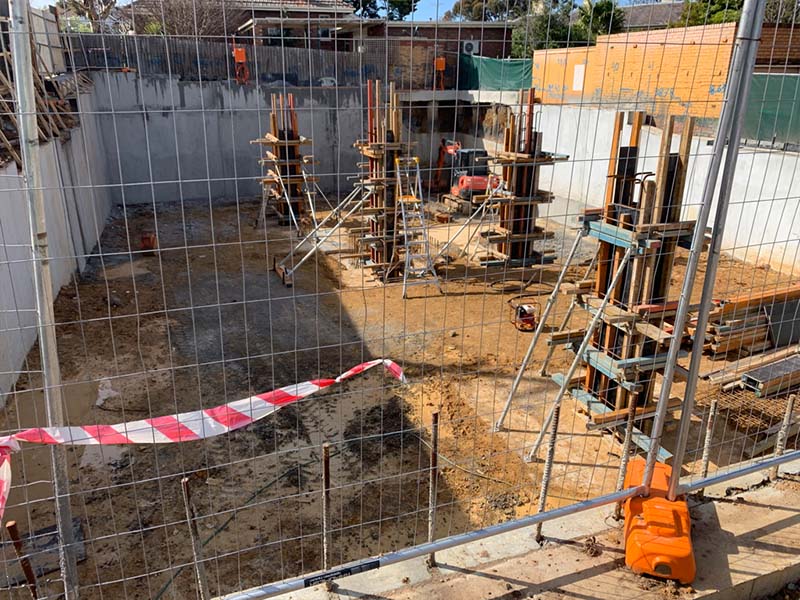
Building a house with a basement is an exciting prospect. Basements offer valuable extra space for storage, living areas, or even a home office. However, the process of designing and constructing a basement involves careful planning and consideration. From assessing the site’s suitability to managing water and moisture issues, several factors must be addressed to ensure a successful basement construction project. This blog will guide you through the key considerations when building a house with a basement, so you can create a functional and safe underground living space.
Why Consider a Basement for Your Home?
A basement adds considerable value to your property. Not only does it provide additional usable space, but it also enhances your home’s functionality. Many homeowners choose to build basements for a variety of reasons, including:
Key Considerations When Building a House with a Basement
Site and Soil Evaluation
Before planning a basement, a thorough evaluation of the site and soil conditions is essential. If the ground is too soft or prone to flooding, building a basement may be a challenge. Proper soil testing helps determine whether the area is suitable for basement construction and what kind of foundation will be needed.
Waterproofing and Moisture Control
Water damage is one of the biggest challenges for basement construction. You’ll need to implement effective waterproofing strategies, such as installing a sump pump, water barriers, and moisture-resistant walls. Hiring a professional contractor with experience in basement construction is crucial to avoid future water problems.
Ventilation and Natural Light
Basements can often feel cramped and damp if not properly ventilated. Adequate ventilation and the inclusion of windows or skylights can improve airflow and natural lighting, making the space more comfortable and livable.
Building Codes and Permits
Ensure that your basement design complies with local building codes and regulations. In many areas, basements require specific permits for structural changes, plumbing, electrical work, and even egress windows.
Foundation and Structural Integrity
The basement’s foundation must be strong enough to support the weight of the house and withstand any pressure from the surrounding soil. Working with a structural engineer can help determine the best foundation design, whether it’s a concrete slab or deeper, reinforced foundation.
What Are the Benefits of Building a House with a Basement?
Additional Space for Future Needs
Having a basement provides flexibility in the future. Whether you need extra bedrooms, a gym, or simply more storage, a basement allows you to adapt your home as your needs evolve.
Cost-Effectiveness
Building up is often more expensive than building down. Constructing a basement allows you to maximise the use of your property without compromising on outdoor space.
Energy Efficiency
Basements tend to have a more stable temperature throughout the year, keeping the home cooler in summer and warmer in winter. This can lead to energy savings, particularly when combined with proper insulation.
Conclusion
Building a house with a basement is an investment that can significantly enhance your home’s functionality and value. However, to ensure success, careful planning, and attention to detail are essential. By considering factors like site evaluation, waterproofing, ventilation, and structural integrity, you can create a basement that serves your needs for years to come. Whether you are seeking additional living space or a functional storage area, a well-designed basement can be the perfect solution for your home.

What To Consider When Buying A Dog Kennel.
We are Ireland & No.1 Supplier of Pet Housing and Assessories.
Call today at 053 936 9998.
Click here to know more about us!