

As the world continues to shift toward sustainable energy solutions, solar power is rapidly gaining popularity as a clean and efficient energy source. Solar energy systems, especially photovoltaic (PV) installations, are becoming a common sight on rooftops, commercial buildings, and solar farms. However, to ensure optimal performance and efficient management of these solar systems, monitoring becomes a crucial aspect. A solar remote monitoring system is an essential tool that allows users to monitor and manage their solar installations remotely, offering a range of benefits, from performance tracking to real-time fault detection. In this article, we will explore five key features to look for when selecting a solar photovoltaic remote monitoring system using IoT, which will help you make informed decisions.
1. Real-Time Performance Monitoring
One of the most critical features of any solar remote monitoring system is the ability to track and display real-time performance data. This feature provides users with instant access to essential metrics such as energy production, consumption, and system efficiency. Monitoring performance in real time allows users to quickly detect underperformance, enabling prompt interventions to ensure the system is operating optimally.
For instance, many solar monitoring systems today use advanced sensors and data analytics to capture important information such as:
- Solar energy production (measured in kilowatt-hours or kWh)
- Solar panel efficiency
- Battery charge levels (for off-grid systems)
- Energy consumption patterns
With this data, operators can make timely decisions to optimize energy production or identify any potential issues before they escalate. For those looking for enhanced capabilities, certain systems, like those from Intello Tech AMC Pvt. Ltd., integrate data collection with user-friendly dashboards that are easily accessible via mobile apps or web platforms, making it easier for users to access information on the go.
2. Predictive Analytics and Fault Detection
Another invaluable feature of modern solar photovoltaic remote monitoring systems using IoT is predictive analytics and fault detection. These systems can analyze historical data and detect patterns that might indicate future issues, such as system malfunctions or a decrease in performance. The ability to anticipate issues and address them proactively can help prevent costly repairs and maximize the lifespan of solar installations.
Predictive analytics utilizes algorithms that consider various environmental factors, including:
- Weather conditions (cloud cover, temperature, etc.)
- Panel degradation over time
- System wear and tear
By analyzing this data, predictive monitoring systems can forecast performance drops or possible equipment failure. This means that you can take preventive actions, such as scheduling maintenance or recalibrating system components, before an issue causes a significant drop in energy production. This early warning system can help extend the operational life of solar panels and reduce overall maintenance costs.
3. Integration with IoT Devices and Smart Sensors
The integration of IoT (Internet of Things) technology with solar remote monitoring systems has revolutionized the way solar power systems are managed. IoT-enabled systems connect different devices and components of the solar system—such as inverters, batteries, and panels—into a unified network. This seamless communication allows for better data sharing and enables more precise control over the system's performance.
For example, smart sensors can monitor individual panels to ensure that they are operating at optimal efficiency. If one panel begins to underperform due to dirt accumulation, shading, or other factors, the IoT system can automatically notify the user and recommend cleaning or repositioning the panel. These systems can even trigger automated adjustments, such as adjusting the angle of solar panels to capture more sunlight throughout the day.
By leveraging IoT, these systems can gather large amounts of data that can then be analyzed to improve energy management and optimize system settings. Whether it’s adjusting inverters or setting up dynamic charging cycles for batteries, the integration of IoT technology significantly enhances the overall performance and longevity of the system.
4. User-Friendly Interface and Reporting Tools
For any monitoring system to be effective, it needs to be user-friendly. Complex systems can overwhelm users, which can result in improper monitoring and maintenance. A well-designed interface ensures that users can easily navigate through different features, access essential data, and quickly troubleshoot any issues.
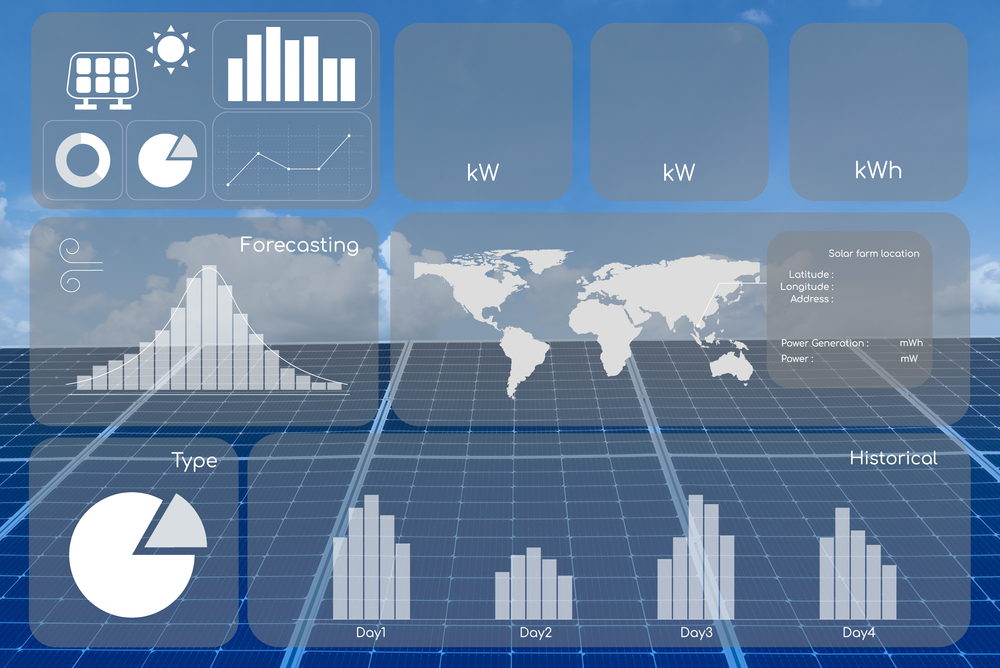
Modern solar remote monitoring systems are designed with simplicity and ease of use in mind. Many systems offer intuitive dashboards that present data in clear, visual formats, making it easy for users to interpret performance metrics at a glance. Common features of these interfaces include:
- Graphical data displays (e.g., charts, bar graphs, line graphs)
- Real-time alerts and notifications via SMS, email, or app notifications
- Historical data and trend analysis (daily, weekly, monthly reports)
- Energy savings calculators to estimate cost savings from solar energy
Additionally, reporting tools should be comprehensive yet accessible. Solar monitoring systems from companies like Intello Tech AMC Pvt. Ltd. often include automated reports that can be scheduled and sent directly to stakeholders, enabling managers or owners to stay updated without constantly logging into the system. This capability is particularly useful for businesses with multiple solar installations or individuals managing large-scale residential systems.
5. Scalability and Customization
As solar energy systems evolve, so do their monitoring needs. A key feature to look for in a solar remote monitoring system is scalability. A scalable system can grow with your solar setup, allowing you to expand or modify your system without having to replace the entire monitoring infrastructure. Whether you're adding more panels, incorporating energy storage solutions, or integrating new technologies, a scalable monitoring system can accommodate future changes.
Customization is equally important. Not all solar installations are the same, and different setups may require different monitoring parameters. A flexible monitoring system can be tailored to meet specific needs, such as:
- Multiple-site management for businesses with solar assets across different locations
- Battery monitoring for off-grid systems
- Energy consumption tracking for optimized energy usage
Customizability ensures that the system adapts to the unique requirements of each installation, whether it’s a small residential setup or a large commercial solar farm.
Conclusion
Choosing the right solar remote monitoring system is a crucial decision for anyone invested in solar power. By understanding the key features—real-time performance monitoring, predictive analytics, IoT integration, user-friendly interfaces, and scalability—you can ensure that your system is efficient, cost-effective, and future-proof. The right monitoring solution will not only help you optimize energy production but also reduce maintenance costs, extend the lifespan of your system, and provide you with peace of mind.
Intello Tech AMC Pvt. Ltd. is a leading provider of innovative solar monitoring solutions. Their solar photovoltaic remote monitoring system using IoT offers state-of-the-art features that cater to both residential and commercial solar installations. With their commitment to quality and cutting-edge technology, you can trust that your solar systems will be managed efficiently and effectively.
By considering the features outlined in this article, you’ll be well on your way to selecting a solar remote monitoring system that suits your needs and helps maximize the benefits of your solar investment.
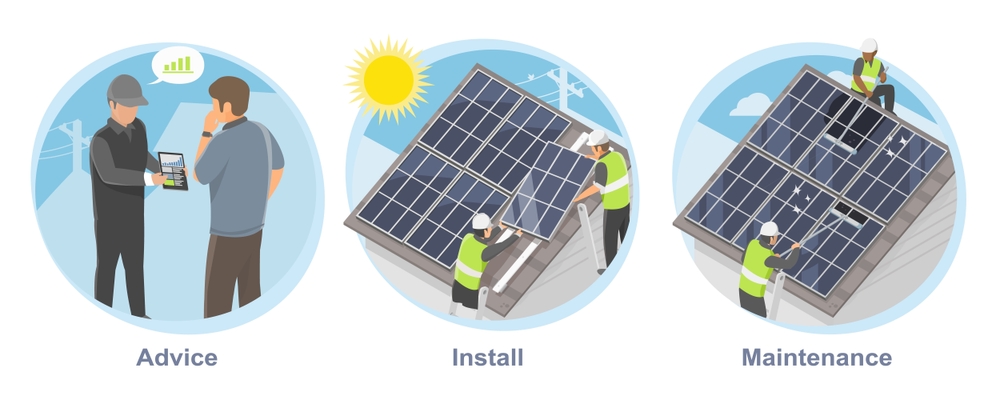
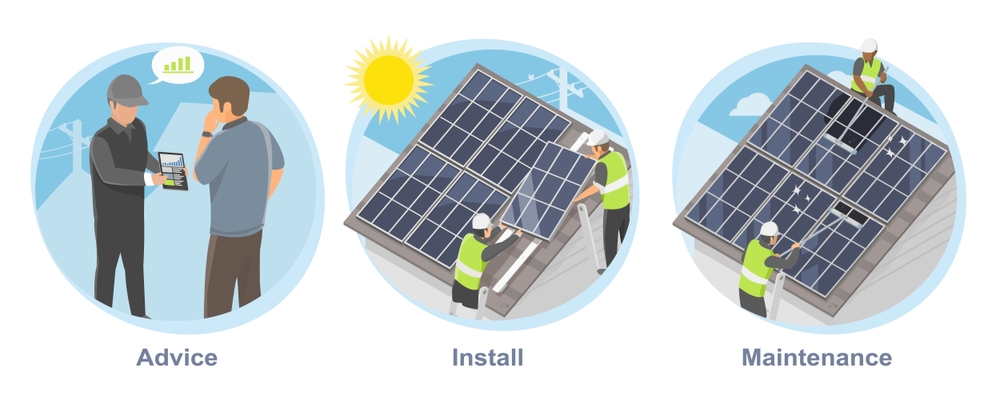
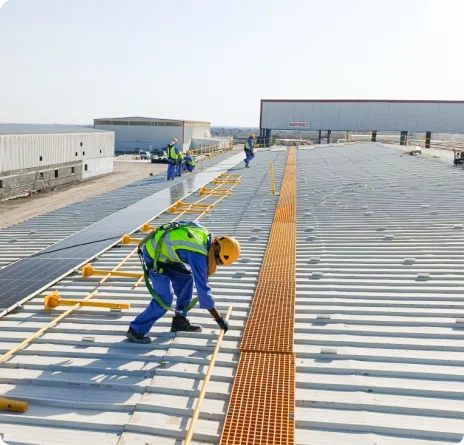
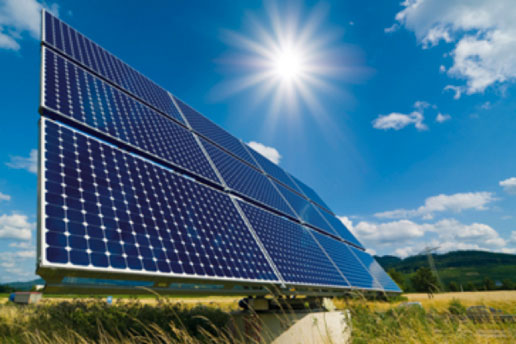
Today I am talking about a great technology which name is solar panel.
We all know that solar system is helpful for the environment.
Here electricity is generated through solar panels using sunlight.Miller solar group is an online solar company where energy power products are available at affordable prices.
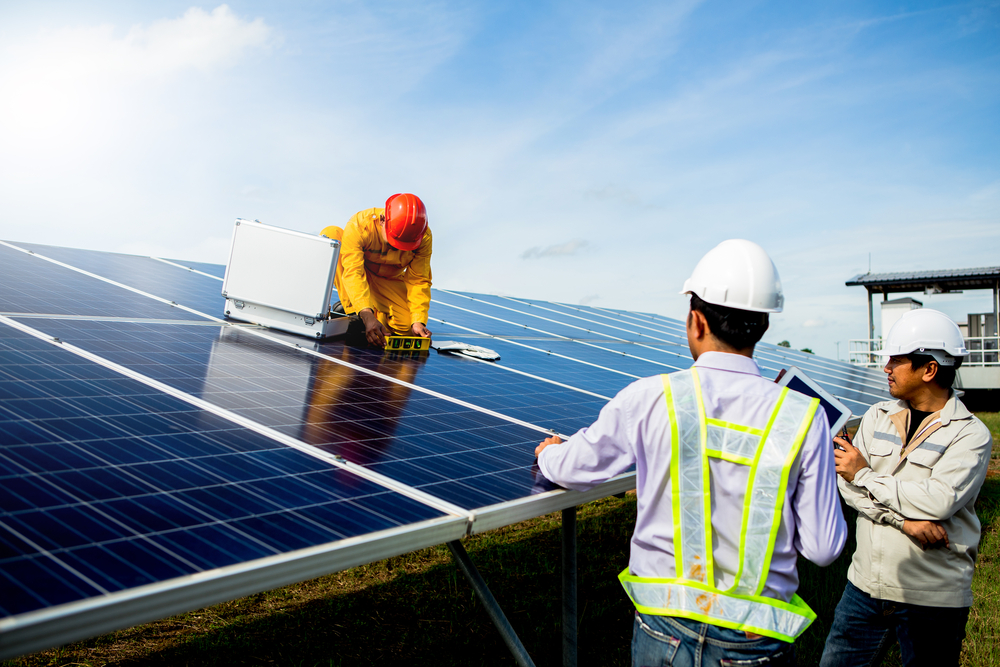
They provide solar panels and solar cleaning services to the customers; they work in such a way that the customers are 100% satisfied.
They are one of the few solar cleaning and solar panel installer in the area.
Highly competitive and amazing service.