Understanding Type 1 Diabetes
Type 1 Diabetes (T1D) is an autoimmune disease where the immune system mistakenly attacks and destroys insulin-producing beta cells in the pancreas. Without sufficient insulin, the body cannot regulate blood sugar levels, leading to severe complications such as cardiovascular diseases, nerve damage, and kidney failure. Managing T1D typically involves daily insulin injections or the use of insulin pumps, alongside regular blood sugar monitoring.
Despite these advances, current treatments do not address the root cause of the disease—the destruction of beta cells. This is where stem cell therapy offers groundbreaking potential, aiming to restore the body’s ability to produce insulin naturally.
What is Stem Cell Therapy?
Stem cell therapy involves the use of stem cells, which are undifferentiated cells capable of developing into specialized cells. These cells can repair damaged tissues, regenerate lost cells, and support the restoration of normal bodily functions. In the context of T1D, stem cell therapy focuses on replenishing beta cells, thereby enabling the body to produce insulin autonomously.
The Science Behind Stem Cell Therapy for Type 1 Diabetes
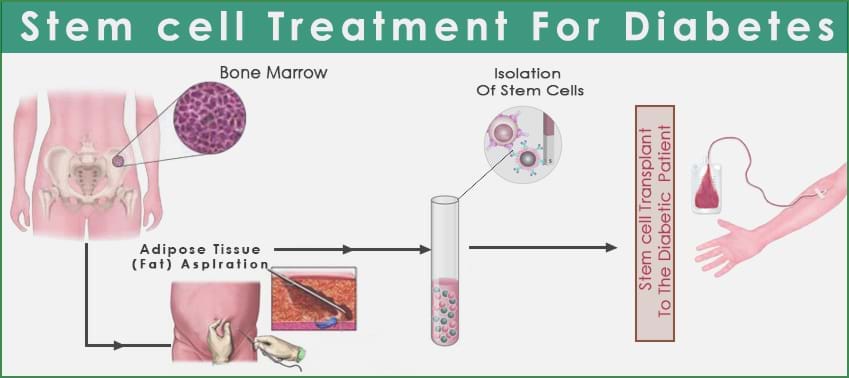
Stem cell therapy for Type 1 Diabetes hinges on the ability to differentiate stem cells into insulin-producing beta cells. This process involves:
Benefits of Stem Cell Therapy in T1D
Restoration of Natural Insulin Production
Stem cell therapy has the potential to restore the body’s ability to produce insulin naturally, reducing or eliminating the need for daily insulin injections.
Improved Blood Sugar Control
Patients undergoing stem cell therapy have shown significant improvement in blood glucose regulation, reducing the risks of hypoglycemia and hyperglycemia.
Reduction in Long-Term Complications
By maintaining stable blood sugar levels, stem cell therapy can help prevent long-term complications associated with T1D, such as nerve damage, blindness, and cardiovascular diseases.
Challenges and Risks
While promising, stem cell therapy for T1D is not without challenges:
Recent Advances in Stem Cell Research for T1D
Encapsulation Technologies
Encapsulation involves enclosing beta cells in a biocompatible material that protects them from immune attacks while allowing insulin to be released into the bloodstream. This eliminates the need for immunosuppressive drugs.
Gene Editing
CRISPR-Cas9 and other gene-editing tools are being used to modify stem cells, making them less likely to trigger immune responses and more efficient at producing insulin.
Bioengineered Organoids
Researchers are developing mini-organs or organoids from stem cells, which mimic the function of the pancreas and could serve as a sustainable source of beta cells.
Allogeneic Stem Cell Therapies
Using donor-derived stem cells that are genetically matched to the recipient can potentially reduce the risk of immune rejection.
What Does the Future Hold?
The future of stem cell therapy for T1D is bright, with numerous clinical trials underway worldwide. Scientists are working tirelessly to overcome existing challenges and make the therapy more accessible and affordable. As research progresses, stem cell therapy could potentially become a standard treatment for T1D, offering millions of patients a chance at a healthier, more autonomous life.
Conclusion
Stem cell therapy represents a monumental step forward in the treatment of Type 1 Diabetes. By addressing the root cause of the disease and offering the possibility of a cure, this innovative approach has the potential to transform lives. While challenges remain, continued advancements in stem cell research are paving the way for a future where T1D can be effectively managed or even eradicated.