

Introduction
Many Laravel security misconceptions and myths exist that can hinder the development process. These myths can lead developers to a false sense of security, leaving their applications vulnerable to threats.
Over 67% of the world's population, which is close to 5.4 billion people, are online as of 2023.
Besides this, people spend over 6.5 hours online daily. Businesses are well aware of what these statistics mean and are striving to create more innovative websites. With the threat of cybersecurity growing, there are several myths that affect the implementation of all security practices.
It's time to clear the air and debunk common myths about Laravel security with facts and evidence, ensuring developers can confidently leverage Laravel's features.
In this article, we will explore and debunk common Laravel security myths, emphasizing the importance of adopting best practices to ensure your Laravel applications are secure.
Built-In Security Features of Laravel
Laravel are comprehensive and designed to protect web applications from common threats. CSRF protection, secure authentication, and encryption are just a few examples of the security measures Laravel provides that are out of the box. It is ideal to hire remote developers from a firm that has in-depth knowledge of Laravel, especially the security features.
Here’s an overview of some of the key security features:
CSRF Protection:
Laravel includes CSRF protection out of the box. Every time a user submits a form, a CSRF token is included, ensuring that the request is legitimate.
Authentication:
Laravel provides a simple and effective authentication system that allows developers to implement various authentication methods
Password Hashing:
Laravel utilizes the Hash facade for hashing passwords.
SQL Injection Prevention:
Laravel’s Eloquent ORM and query builder utilize prepared statements, which automatically bind parameters and protect against SQL injection attacks.
XSS Protection:
Laravel’s Blade templating engine automatically escapes output, preventing Cross-Site Scripting (XSS) attacks.
Encryption:
Laravel provides an easy-to-use Crypt facade for encrypting sensitive data.
Rate Limiting:
Laravel’s built-in rate limiting feature allows developers to restrict the number of requests that can be made to their application within a given timeframe.
Secure Cookies:
Laravel ensures that cookies are secured by default. You can set cookies to be HTTP-only, preventing access via JavaScript, and to be secure.
Middleware:
Laravel supports middleware that can be used for various security measures, such as authentication, logging, and rate limiting.
Content Security Policy (CSP):
Although not automatically configured, Laravel provides tools for setting security headers, including Content Security Policy.
HTTPS Enforcement:
Laravel can enforce HTTPS, ensuring that all traffic to the application is encrypted.
Security Headers:
While Laravel does not automatically set security headers, it allows developers to configure headers like X-Frame-Options and X-Content-Type-Options.
Additionally, Laravel's throttling mechanism helps protect against brute-force attacks and excessive API requests, contributing to the application's overall security.
Laravel Security Myths
Laravel Is Secure Out of the Box, So No Extra Security Measures Are Needed
SQL Injection Is Impossible in Laravel
Laravel’s CSRF Protection Makes Forms Safe
Laravel’s Blade Engine Automatically Prevents All XSS Attacks
Laravel Automatically Enforces Strong Password Security
HTTPS Is Optional in Laravel Applications
Laravel’s Authentication System Is Enough for Complete Security
File Uploads Are Secure by Default in Laravel
Laravel Packages Are Secure by Default
Security Audits Are Not Necessary for Laravel Applications
Database Encryption Is Handled Entirely by Laravel
Security Headers Are Handled Automatically
Laravel is tailored exclusively for small to medium-sized projects needing more capacity to scale.
Laravel is inherently less secure than other frameworks or languages.
Laravel’s Middleware Provides Complete Security Control
Using HTTPS is Enough to Secure a Laravel Application
Laravel’s Error Handling is Safe to Use in Production
Laravel is Immune to Web Vulnerabilities
Laravel is Not Secure Because It's Open-Source
Hire Laravel Developers For Secure Solutions
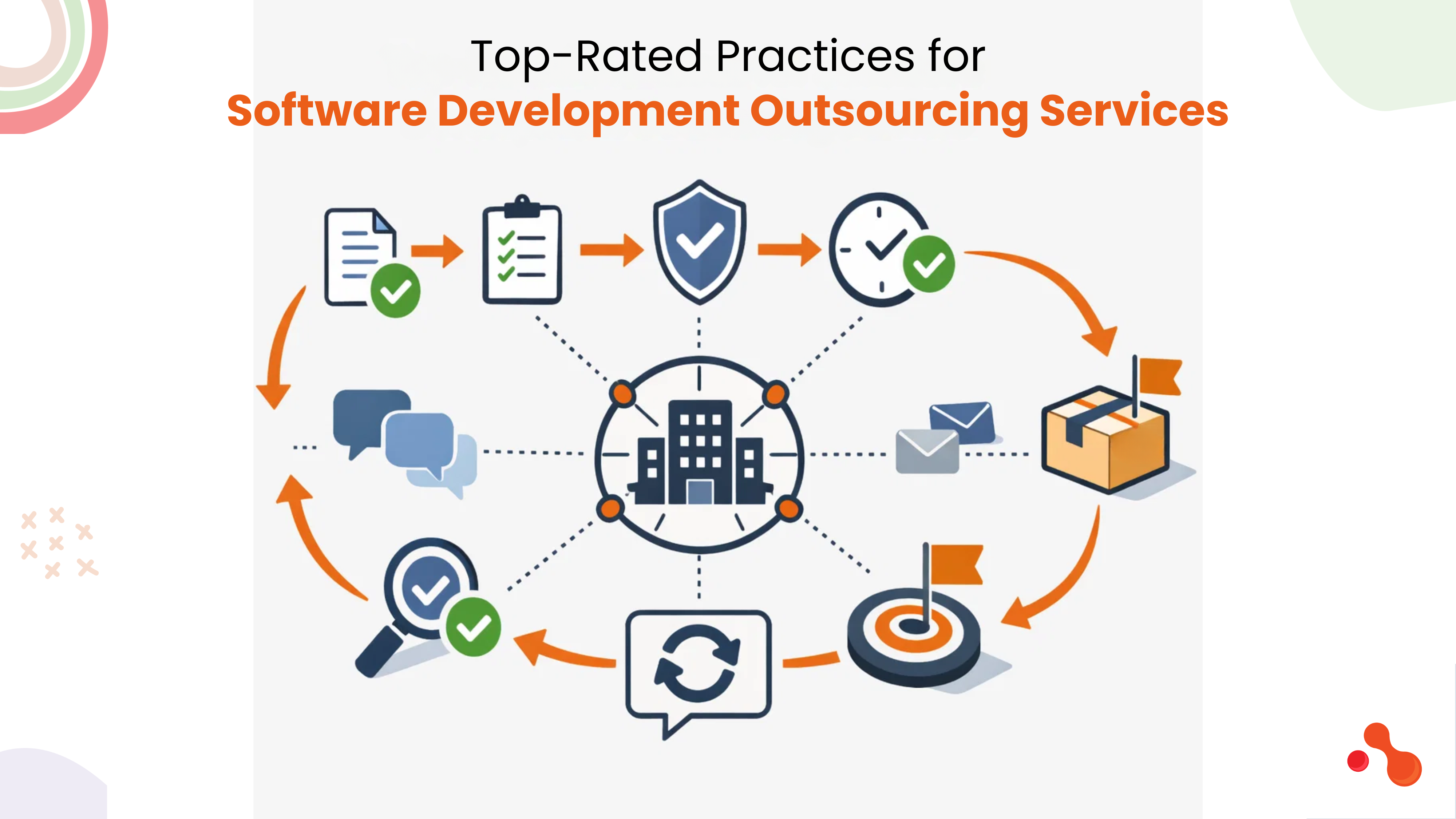
A professional software development outsourcing company has the necessary expertise and resources to build next-generation solutions. They also have the knowledge necessary to avoid the myths that lead to security gaps.
Acquaint Softtech is one such Laravel development company in India with the necessary expertise. We have over 10 years of experience developing cutting-edge solutions. We have already successfully launched over 5000 projects worldwide.
Conclusion
The common Laravel security myths stem from a misunderstanding of the framework's built-in features and the false assumption that a secure framework automatically guarantees a secure application.
Take advantage of the Laravel development services provided by experts like Acquaint Softtech to ensure the development of flawless applications. Learn more why use Laravel to understand its powerful features and benefits.
If you want to hire remote developers, Acquaint Softtech offers experienced Laravel developers who can build secure, scalable, and responsive applications tailored to your needs.
Understand the cost to hire remote developers to plan your budget wisely when outsourcing your Laravel projects.
Also, explore the advantages of staff augmentation to scale your team flexibly with top talent from Acquaint Softtech.