
Applying to a university might seem intimidating, particularly when negotiating the several stages required. Whether your application path is smooth or you are an overseas candidate ready to experience university life or a student wishing to advance their studies, knowledge of the procedure is crucial. This guide will walk you through the detailed apply for UK university procedure and all you need to know to turn your goal into a reality.
Step 1: Grasp the Prerequisites
Understanding the particular criteria for the colleges you are interested in will help you later on in the application process. Academic credentials, language competency, and particular topic requirements are only a few of the several entrance criteria used by different colleges. Before you decide, give your possible options some thought and be sure you satisfy the eligibility requirements.
Make sure your present credentials satisfy the prerequisites for the programs of interest. Most colleges will have their prerequisites posted on their websites.
Should the program be taught in a language other than your mother tongue, you could have to prove your competency using examinations like IELTS, TOEFL, or comparable.
Many colleges call for a personal statement or motivation letter highlighting your enthusiasm for the program, the reason you are applying, and your long-term objectives.
Step 2: Register using UCAS Apply
Registering with the UCAS system comes next when applying for university. For many universities, UCAS—Universities and Colleges Admissions Service—is the centralized application system. Using one application, UCAS lets you apply to several universities, therefore saving time and work.
Visit the UCAS website to register an account and begin going. You will be required to provide simple personal information like your contact details and your educational background upon registration. You will be able to finish your application form on the UCAS Apply website after your account is registered.
Step 3: select your institutions and courses
You can begin choosing the courses and colleges you would choose to apply to after registering. UCAS lets you apply for up to five different courses and lets you decide whether you wish to apply to the same university or another. Remember that you should only select courses that fit your academic interests and long-term professional objectives.
Research Your Alternatives: Every university and course could offer unique resources, campus cultures, and expertise. Make sure the courses and universities fit your requirements by carefully reading over them.
Think on location and budget: Think on the colleges' locations and the local cost of living. Tuition costs differ as well, hence your decision-making process should include consideration of this.
Step 4: Ready your supporting materials
UCAS will call for numerous supporting records to go with your application. These records help to show your academic aptitudes, credentials, and preparation for university life. Usually the important papers consist of:
Among the most crucial components of your application is your personal statement. Your chance to present the admissions committee why you are a strong candidate for the program is your personal statement. Emphasize your successes, the reasons you applied, and your future goals.
Most applications demand for a reference letter, usually from a teacher, counselor, or someone else knowing your academic background. Make sure you request references far ahead of time and give them ample time to craft a careful recommendation.
Transcripts: List your academic records, which highlight your past learning. Verify whether every document is correct and current.
Step 5: complete the UCAS application
It's time to finish the UCAS application form after all the necessary paperwork is ready. You should include the following:
Verify all of your personal information: your full name, date of birth, phone number, national identity number (if any).
Course Choices: You will specify the colleges where you wish to study together with your chosen programs. UCAS will walk you through this procedure step by step; you can change your decisions right until the final submission.
Academic History: You will have to include specifics of your credentials, like the name of the universities you have visited, the courses you have studied, and your grades.
Upload your personal statement to the application portal here. Make sure it really captures you and free from grammar and spelling mistakes.
References: The person creating your reference letter will post it separately. Remember them about deadlines and give them enough time to turn in their suggestions.
Step 6: Pay the application fee
You will be obliged to pay an application fee once you have finished the form. This charge pays for processing your application. The number of courses you apply for will determine the amount. One can pay online using credit card or any accepted way.
If you are seeking for several courses or colleges, be advised about the pricing structure:
One course: pay a lessened cost.
Many courses: Pay more to cover the extra possibilities.
Should you need it later, be sure to save the receipt or proof of payment.
Step 7: Send Your Application
Submitting your application via UCAS Apply comes last once you have completed the application form, uploaded your documentation, paid the price. Verify all the material to be sure it is accurate before you turn it in. UCAS will give you a confirmation after submission so you may monitor the development of your application.
Step 8: Wait for Answers
Universities will assess your documents when your application is turned in, and offers will be sent based on the merit of your application. Offers might be unconditional—that is, they provide you a spot free from further conditions—or conditional—that is, dependent on fulfilling particular academic standards.
Track Your Application: UCAS offers a portal whereby you may view university decisions or offers as well as the state of your application.
Should you get several offers, you are free to select one. To guarantee your position, be sure you confirm your choice before the deadline.
Step 9: The Last One
Once you accept an offer, you will get more directions on getting ready for college life. This could entail getting ready for orientation, applying for scholarships or student loans, and, should you be an overseas student, for visas. To guarantee a seamless adjustment to university life, be sure you keep orderly and meet all deadlines.
Final Thought
Applying for university follows a set procedure, but it also calls for meticulous attention to detail and careful planning. Using UCAS Apply and following these guidelines will help you confidently negotiate the application process. From getting ready your paperwork to turning in your application, every action helps you to guarantee you a place at your ideal university. Thus, start right now and move first towards your academic future!




The global Pearlescent Pigment Market was appreciated by US$ 1.26 billion in the year 2014 and is expected to reach USD 1.92 billion by 2022.
The unique natural pearl essence is costlier as equated to artificial, mica centered properties.
Increasing approval of personalized merchandises and growing governmental backing to inspire the progress of the automobile & construction businesses, chiefly in developing marketplaces, are also important motivators for these pigments in many applications.The pearlescent pigment market on the source of Type of Application could span Cosmetics, Plastics, Printing Inks, Paints & Coating.
The industrial machinery/maintenance coatings and automotive paints inhabit the biggest stake of the international market among the applications of pearlescent pigment.
The subdivision of paints was responsible for a stake of more than 34% of the complete capacity during the year 2014.The pearlescent pigment market on the source of Type of Product could span Combination Mica, Titanium Dioxide, Ferric / Iron Oxide, Natural Pearl Essence.
The subdivision of Titanium Dioxide [TiO2] covered mica was the most extensively utilized white-effect pigment in printing inks and paints, due to its g brightness.
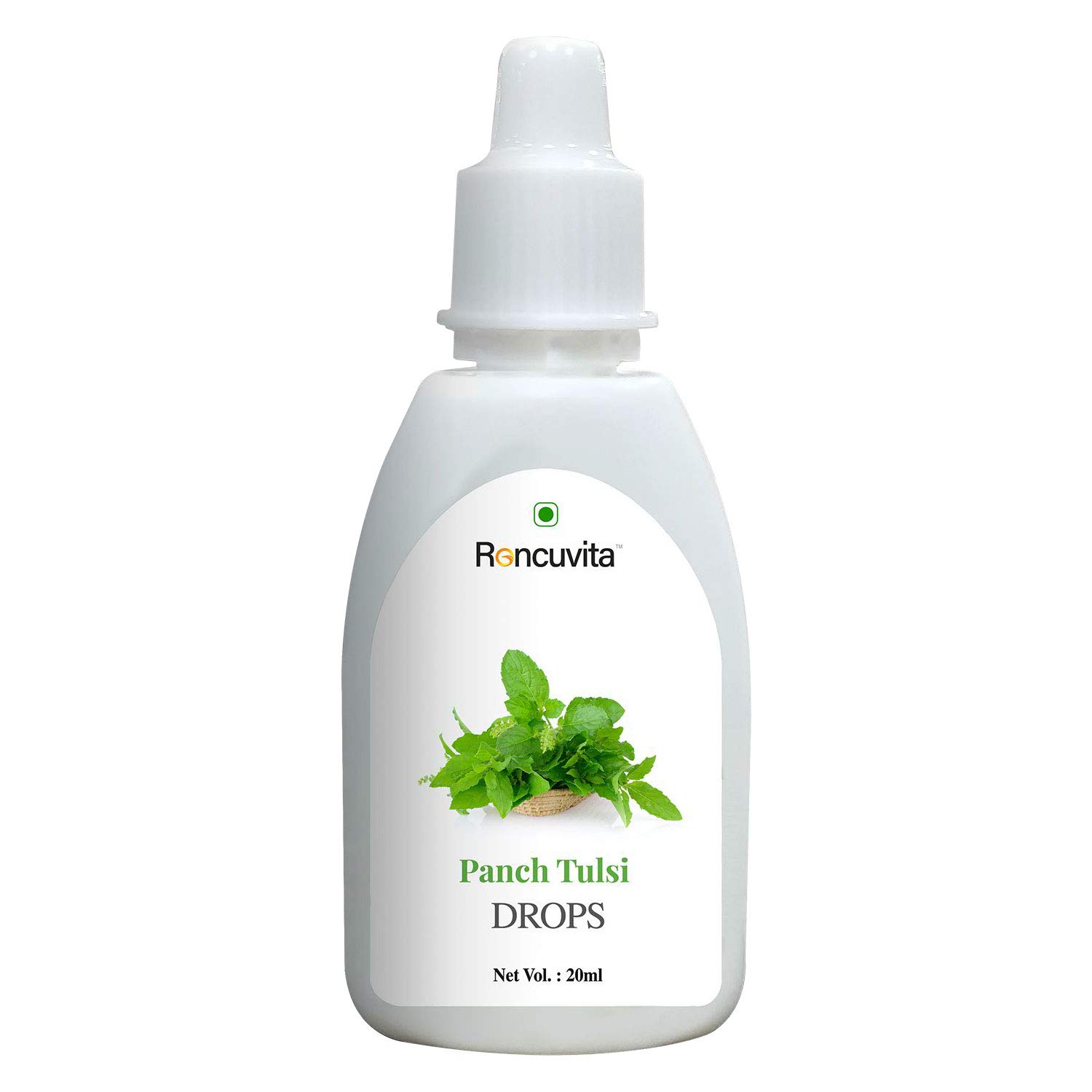
They are known to be viable in hack, cold, causticity, stoppage, stomach torment, stomach torment and viral or occasional fever, expanding in lungs, hypertension, chest clog, weakness, regurgitating, corpulence, joint inflammation, asthma, sickliness and ulcers.
Is a successful adjuvant in the administration of a hack, chilly, ongoing bacterial sickness, skin illness and indigestion.It is valuable in alleviation from stress and decreases the wear and tear because of its cancer prevention agent impact.
Since Pancha Tulasi drops is a high concentrate is smarter to abstain from devouring straightforwardly.
It has massive enemy of contagious and against bacterial properties which shield us from an assortment of contaminations.Diminishes Stress: Tulsi contains intensifies like Ocimumosides An and B, which diminishes pressure and equilibrium the synapses serotonin and dopamine in the mind.
It is accordingly known as an enemy of stress specialist.Beat Infections: Panch Tulsi helps battle against different medical issues related with contamination and other irresistible conditions like Asthma, Anemia, Migraine, normal sensitivities, skin rashes, irritation, influenza and so on It is likewise valuable for ulcer and diseases in the mouth.Decreases Hypertension: Panch Tulsi drops assist with battling heart-related dangers and control the degree of blood cholesterol.
Panch Tulsi Drops Benefits is hence an astounding antimicrobial specialist utilized in food items as a fixing just as medication.Natural and moderate invulnerability sponsors for you.