


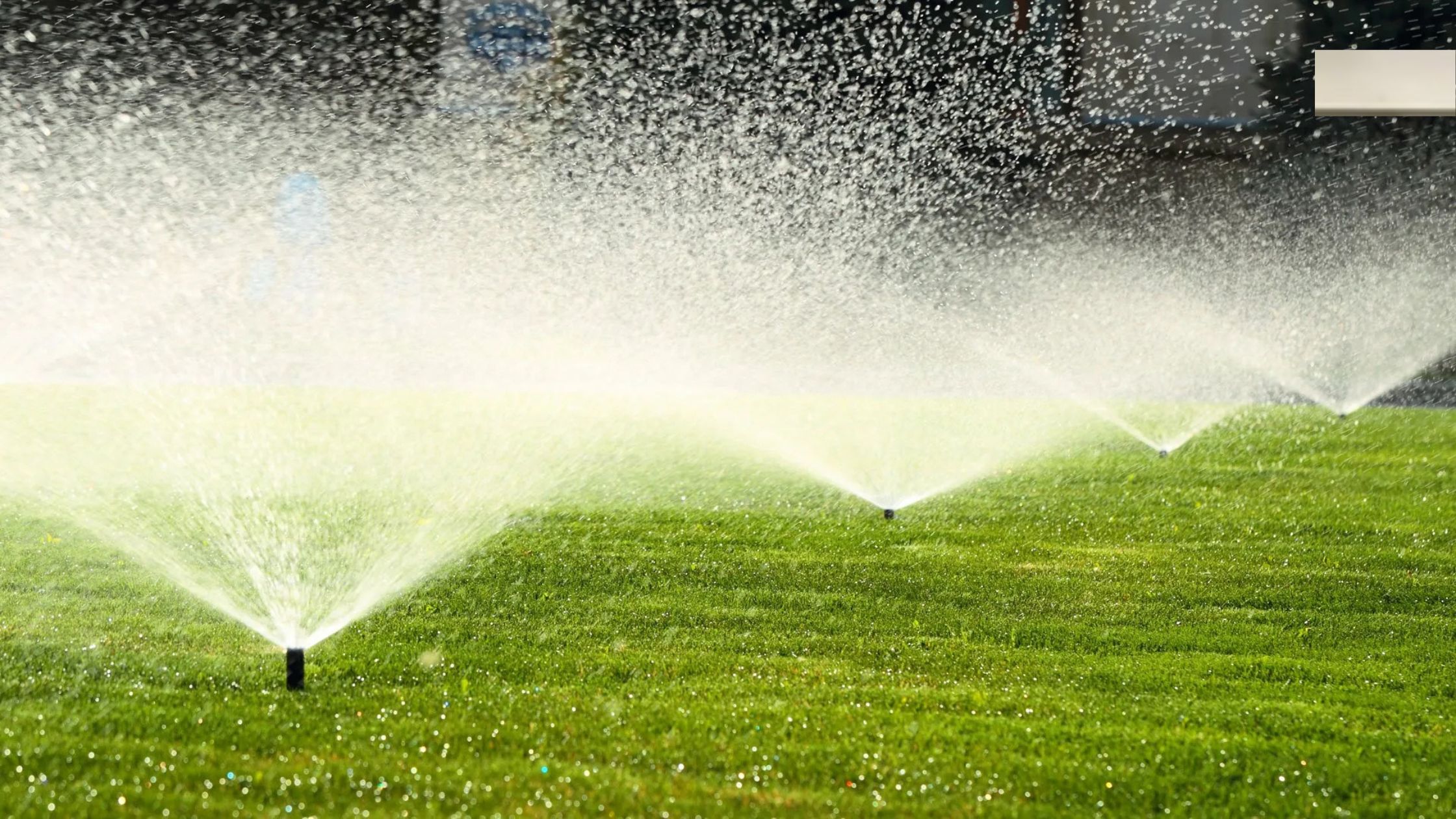
Traditional irrigation systems rely on fixed schedules, often leading to either overwatering or underwatering, both of which can harm crops and waste valuable resources. Smart irrigation systems, however, are transforming the way water is applied to crops by utilizing weather data and soil moisture data to make real-time, data-driven irrigation decisions. Here’s how these systems work, focusing on their ability to optimize irrigation through smart data collection.
What is smart irrigation technology?
Smart irrigation technology integrates advanced sensors and data analytics to monitor and manage the watering needs of a landscape or farm. Unlike traditional systems that irrigate on a fixed schedule, smart irrigation systems adjust water delivery based on actual conditions like soil moisture levels and weather forecasts.
One key component of smart irrigation is the smart irrigation controller. This device automatically adjusts irrigation schedules based on real-time data gathered from weather stations, soil moisture sensors, and other environmental monitoring tools. For example, if a sensor detects that the soil is already sufficiently moist, the controller will skip watering cycles to prevent unnecessary water application.
Weather data and its role in irrigation
Weather data plays a pivotal role in smart irrigation systems. These systems use local weather forecasts and real-time data to adjust watering schedules accordingly. For instance, if rainfall is expected within the next 24 hours, the system may delay or cancel scheduled irrigation to avoid overwatering. Conversely, during hot or dry spells, the system may increase the watering frequency to ensure crops receive adequate hydration.
Weather-based smart irrigation systems typically use data points such as temperature, humidity, precipitation, and wind speed to calculate the optimal irrigation needs. By relying on this data, the system ensures that water is applied only when necessary, reducing the chances of both waterlogging and drought stress.
Soil moisture sensors: The heart of precision irrigation
While weather data is essential, soil moisture levels provide the most direct indicator of when and how much water is needed for crops. Soil moisture sensors measure the volumetric water content in the soil, offering real-time feedback on the moisture levels in the root zone. This data is then sent to the smart irrigation controller, which adjusts the irrigation schedule accordingly.
For example, if the soil moisture sensor detects that the soil is too dry, the system will trigger irrigation to ensure the crops are properly watered. On the other hand, if the soil moisture levels are within the ideal range, the system will pause irrigation, conserving water and preventing overwatering.
How solar powered irrigation controllers enhance efficiency
In addition to being environmentally friendly, solar-powered controllers are also cost-effective in the long run. Once installed, they have minimal operating costs, offering a sustainable solution for farmers who want to reduce both their water and energy usage.
Conclusion
As the agricultural industry faces growing challenges related to water scarcity and climate change, adopting smart irrigation systems is becoming increasingly vital for sustainable farming. The integration of smart irrigation controllers offers farmers a pathway to more sustainable and cost-effective water management practices.
Companies like WiseConn are leading the way in providing cutting-edge irrigation automation solutions, ensuring that farmers have access to the tools they need to thrive in an environmentally conscious and water-conscious world. With the continued advancement of smart irrigation technology, the future of farming looks brighter, more efficient, and more sustainable than ever before.

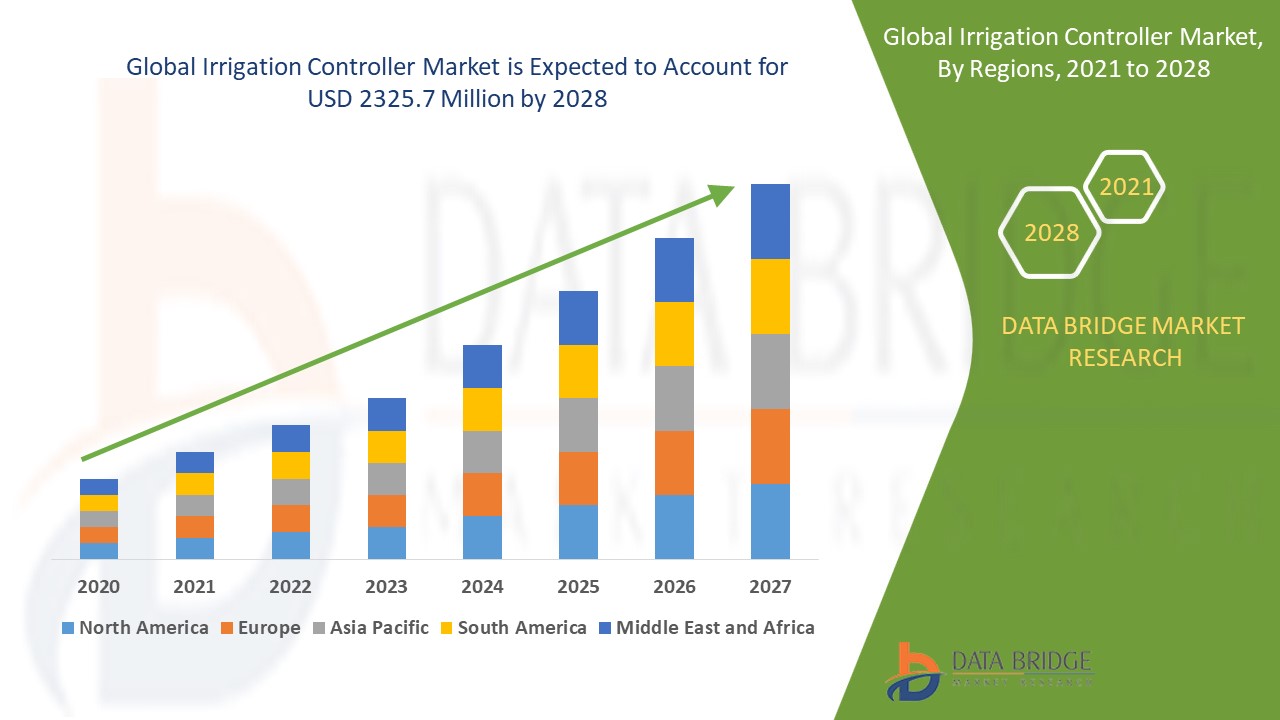
The new research framework of Global Irrigation Controller Market report details an in-depth study on the present state of the Irrigation Controller market across the globe, including reliable facts and figures.
The study is perfectly summarized using both qualitative and quantitative information of Irrigation Controller Industry.
The report presents a forecast based on factors expected to witness market growth in upcoming years.Irrigation controller market size is valued at USD 2325.7 million by 2028 and is expected to expand at a compound annual growth rate of 18.40% over the forecast period of 2021 to 2028Here, you can avail Sample PDF for this report@ https://www.databridgemarketresearch.com/request-a-sample/?dbmr=global-irrigation-controllers-marketThe Irrigation Controller Market report provides comprehensive, efficient and thorough analysis information about the Irrigation Controller market in an orderly manner based on actual conditions.
The Irrigation Controller market report covers industry chain analysis, the latest market trends and dynamics, and cost-profit analysis of major players, focusing on market leaders’ expansion rate, price, competition, size, share, price and value chain analysis.Global Irrigation Controller Market: Manufacturers Segment Analysis (Company and Product introduction, Irrigation Controller Sales Volume, Revenue, Price and Gross Margin):Rain Bird Corporation, HydroPoint Data Systems, Inc., Weathermatic , The Toro Company, Holman Industries, Orbit Irrigation Products LLC, CALSENSE, Lindsay Corporation, NELSON IRRIGATION, FlyBird Farm Innovations Pvt.
Ltd, Galcon, Mottech Water Solutions Ltd., HUNTER INDUSTRIES, NETAFIMMarket Segmentation: The report has been prepared after extensive qualitative & quantitative research on major industry segments and further divides it into sub-segments.
The study sheds light on the segment that will dominate the Irrigation Controller market during the forecast period to help clients gain a competitive advantageBy Type (Weather-Based Controllers, Sensor-Based Controllers), Product (Smart Controllers, Tap Timers, Basic Controllers), Irrigation Type (Drip/Trickle, Sprinkler), Application (Non-Agriculture, Agriculture)If You Have Any Query, Ask Our Experts @ https://www.databridgemarketresearch.com/speak-to-analyst/?dbmr=global-irrigation-controllers-marketThe following are the regions covered by this reportThe Middle East and Africa (GCC Countries and Egypt)North America (The United States, Mexico, and Canada)South America (Brazil etc.
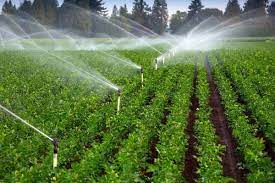
Irrigation is a method of watering plants and flora in an synthetic way.
It is of super use in desolate tract areas and in places in which rainfall is insufficient.
In drip irrigation system water is furnished at once to the roots of the plant.
This gadget works with such efficiency that it yields higher results than other systems like over head irrigation or flood irrigation.
As it uses little water it enables to preserve water which usually is lost via way of evaporation or deep drainage.
Both the drainage facilities and pipes get clogged effortlessly.