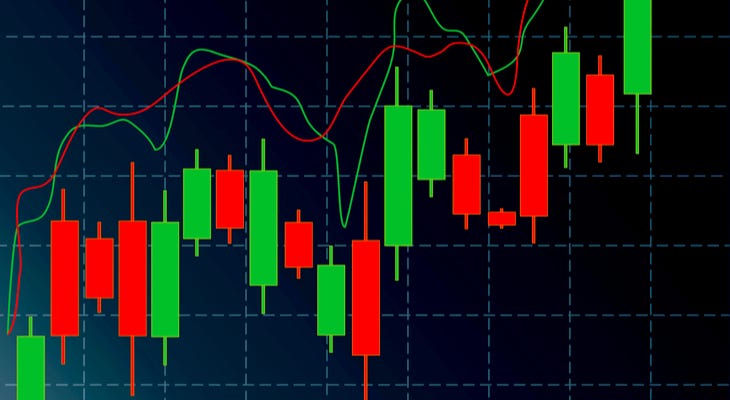
Proprietary trading, also known as "prop trading", is a financial strategy where firms use their own funds to trade in markets such as stocks, forex, commodities, or derivatives. Unlike managing client accounts, the firm directly profits from its own trades. This method has become increasingly popular among financial institutions and experienced traders due to its potential for high returns.
In this guide, we'll break down what proprietary trading is, how it works, its advantages and risks, and how you can start your journey in prop trading.
What is Proprietary Trading?
Proprietary trading refers to when a company trades financial instruments using its own capital instead of managing investments for clients. The aim is to maximize profits by identifying and acting on market opportunities.
Firms that engage in prop trading often use sophisticated trading systems, advanced analysis tools, and algorithms to execute trades. Since they are trading their own money, they assume all risks but also retain 100% of the profits.
How Does Proprietary Trading Work?
Prop trading firms employ traders who specialize in analyzing markets and executing strategies to generate profits. The typical process includes:
Types of Proprietary Trading
Proprietary trading spans multiple markets, including:
Advantages of Proprietary Trading
Prop trading offers unique benefits for both traders and firms, such as:
1. Profit Potential
Since firms trade with their own capital, they have the flexibility to take calculated risks that can lead to higher returns.
2. Access to Advanced Tools and Technology
Traders gain access to professional-grade tools, data analytics, and trading software that help them make informed decisions.
3. Performance Incentives
Successful traders are rewarded with a share of the profits, which motivates high performance without risking personal savings.
4. Skill Growth
Prop trading environments emphasize learning through mentorship, real-time experience, and exposure to diverse market scenarios.
Risks of Proprietary Trading
While the rewards can be high, proprietary trading is not without its challenges:
1. Capital Risk
The firm assumes full financial risk when trades result in losses.
2. Performance Pressure
Traders are expected to deliver consistent results, which can lead to stress and emotional trading.
3. Market Uncertainty
Volatile market conditions can disrupt even well-calculated strategies, leading to unexpected setbacks.
Steps to Get Started in Proprietary Trading
If you're interested in pursuing a career as a prop trader, follow these steps:
1. Learn the Fundamentals
Start by building a strong understanding of trading strategies, risk management, and technical analysis. Practice using demo accounts to hone your skills.
2. Choose a Prop Trading Firm
Research reputable firms that offer training programs, profit-sharing structures, and access to their capital.
3. Build a Track Record
Demonstrate consistency and profitability by starting with small trades. A solid track record increases your chances of joining a firm.
4. Focus on Risk Management
Learn to protect your capital by managing position sizes, setting stop-loss limits, and maintaining a favorable risk-reward ratio.
5. Stay Committed and Disciplined
Success in trading requires patience, emotional control, and the ability to learn from both wins and losses.
Final Thoughts
Proprietary trading presents an exciting opportunity for traders who want to leverage institutional resources to achieve substantial profits. With access to significant capital, cutting-edge tools, and performance-based incentives, prop trading forex can be a rewarding career for those with dedication and discipline.
By understanding the process, risks, and benefits of proprietary trading, you can position yourself for success and begin a profitable journey in the financial markets.