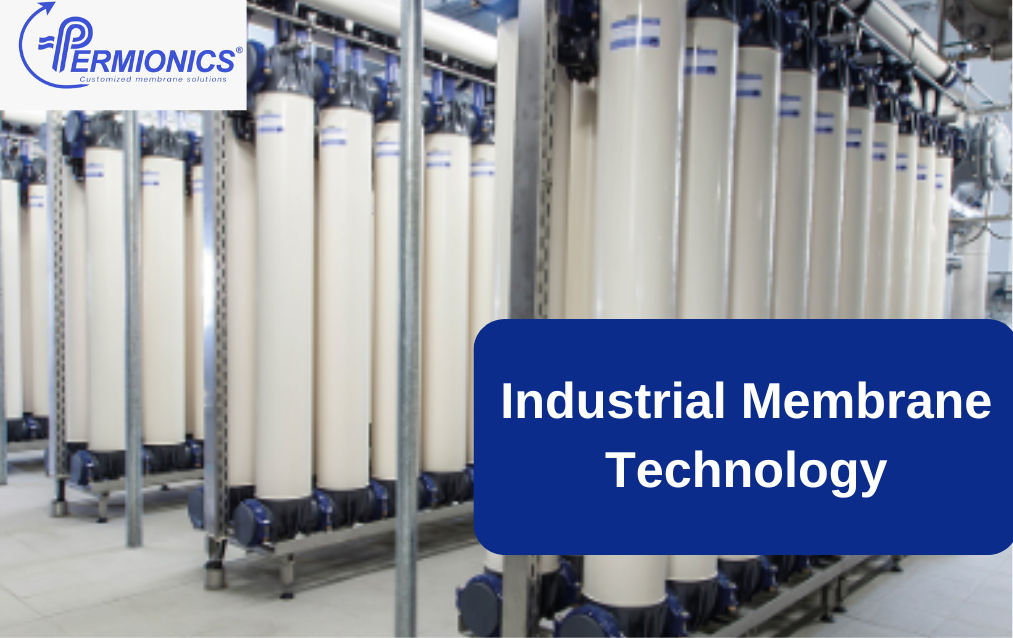
Industrial membrane technology has revolutionized the way pollutants are removed from water, air, and other industrial processes. As industries continue to grow, the need for efficient pollution control systems becomes even more critical. Membrane technology, with its ability to separate substances using semi-permeable barriers, offers an effective solution for removing a wide variety of pollutants. From harmful chemicals to microorganisms, industrial membrane technology is capable of tackling some of the most challenging contaminants. Let’s take a closer look at the types of pollutants that can be removed effectively using this innovative technology.
1. Microorganisms and Pathogens
One of the primary applications of industrial membrane technology is in water treatment. Membranes, such as those used in reverse osmosis (RO) and ultrafiltration (UF), can effectively remove harmful microorganisms like bacteria, viruses, and protozoa from water. This is especially important in areas where waterborne diseases are a major concern. Membrane filters with very small pore sizes can trap and remove even the smallest pathogens, ensuring safe, clean drinking water. This process is widely used in drinking water purification and wastewater treatment plants.
2. Suspended Solids
Suspended solids, including dirt, sand, and organic matter, are common pollutants in water bodies, especially in industrial effluents and wastewater. Industrial membrane technology, particularly ultrafiltration, is highly effective at removing these solids. The membranes act as a barrier, allowing clean water to pass through while retaining larger particles and debris. This makes membrane filtration an essential tool in pre-treatment processes, helping to reduce the load on downstream filtration systems and improve overall water quality.
3. Dissolved Salts and Minerals
One of the standout features of industrial membrane technology is its ability to remove dissolved salts and minerals from water. Reverse osmosis (RO) membranes are particularly effective in desalination, a process that removes salts from seawater or brackish water, making it suitable for human consumption and agricultural use. RO membranes can remove salts, such as sodium chloride, and other dissolved minerals, reducing water salinity and making it potable. This is particularly beneficial in regions with limited access to fresh water.
4. Heavy Metals
Heavy metals like lead, mercury, cadmium, and arsenic are common pollutants in industrial wastewater and can pose serious environmental and health risks. Industrial membrane technology is capable of removing these toxic substances effectively. Reverse osmosis, nanofiltration, and other membrane processes can trap heavy metals, preventing them from contaminating water sources and harming ecosystems. This makes membrane filtration a crucial technology in industries like mining, electronics, and chemical manufacturing, where heavy metal contamination is a concern.
5. Organic Contaminants and Chemicals
Industrial processes often release organic chemicals, such as solvents, pesticides, and detergents, into wastewater. These chemicals can be difficult to remove using traditional methods, but industrial membrane technology offers an efficient solution. Membranes can filter out organic contaminants, including both large organic molecules and small dissolved organic substances. For example, nanofiltration membranes can remove organic compounds, oils, and surfactants from industrial wastewater. This makes membrane technology a valuable tool in sectors like the chemical, pharmaceutical, and food industries, where organic contaminants are frequently encountered.
6. Toxic and Hazardous Chemicals
Certain industries, such as petrochemical, pharmaceutical, and textile, release toxic chemicals that can be harmful to human health and the environment. These include solvents, acids, alkalis, and other hazardous materials. Membrane processes, especially reverse osmosis and nanofiltration, are highly effective in removing a wide range of toxic chemicals from industrial effluent. These technologies help in treating wastewater and ensuring that harmful substances do not enter natural water systems or ecosystems, making them essential in industries with strict environmental regulations.
7. Colloids and Macromolecules
In addition to removing suspended solids, membrane technology is also highly effective at filtering colloids and macromolecules—larger, complex molecules that cannot be removed through simple filtration methods. These can include proteins, polysaccharides, and other organic materials. Ultrafiltration membranes, with their selective permeability, can effectively remove these large particles from liquids, making them ideal for applications in food processing, biotechnology, and pharmaceutical industries, where purity and quality are critical.
8. Nutrients and Algae
Nutrients like nitrogen and phosphorus, commonly found in agricultural runoff, can lead to eutrophication in water bodies, causing excessive growth of algae and other aquatic plants. Membrane technology can help remove these nutrients from wastewater before they are released into natural water systems. In addition, membranes can also help filter out algae and other microorganisms that contribute to water quality issues. This is particularly beneficial in managing wastewater from agriculture, food processing, and sewage treatment.
9. Colorants and Dyes
In the textile and dye industries, wastewater often contains high concentrations of colorants and dyes, which can be difficult to remove using traditional treatment methods. Industrial membrane technology, specifically nanofiltration and ultrafiltration, can effectively remove these colorants from wastewater. This not only helps in improving the quality of treated water but also ensures that the water released into the environment is free of harmful chemicals and pollutants.
Conclusion
Industrial membrane technology is a powerful tool for removing a wide range of pollutants from water, wastewater, and air. Its ability to efficiently filter out microorganisms, suspended solids, heavy metals, organic chemicals, and toxic substances makes it an essential technology in various industries. By providing a sustainable and energy-efficient method for pollution control, membrane filtration plays a crucial role in improving water quality, protecting the environment, and ensuring public health.
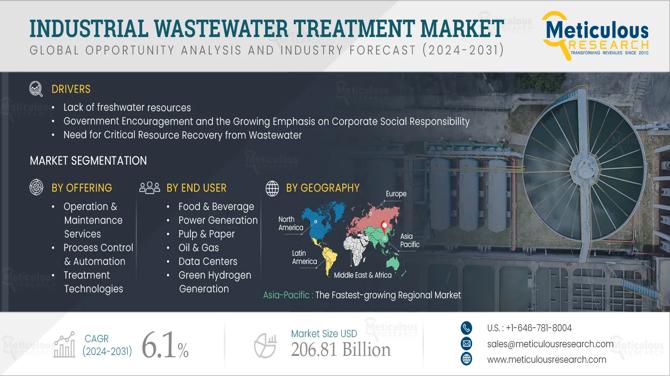
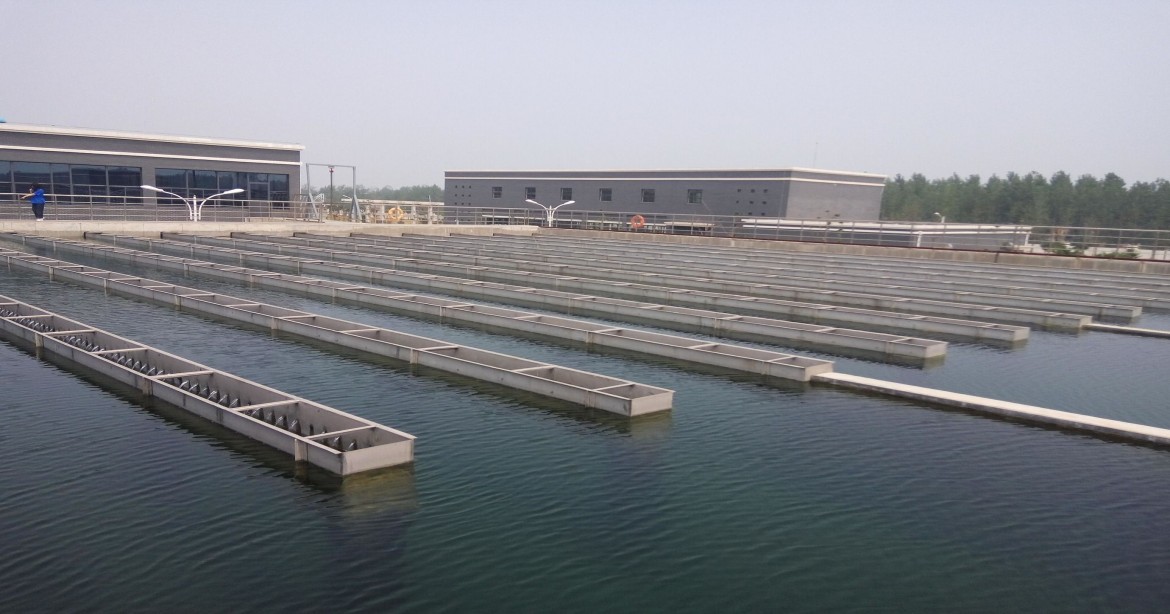
Greater efficiency and constant innovation are the primary areas of development for water and wastewater management solutions.
The manufacturers of the equipment aim on developing innovative and highly effective products to resolve the major issue of water scarcity.
The process of water recycling involves numerous kinds of equipment such as removal of impurities and sediments.
Let’s look at the latest trends in management of wastewater:1.Reduced Groundwater PumpingBecause of the high awareness of the importance of water reuse, the Industries are expected to reduce the use of underground aquifers.
The expectations are set with the water and wastewater treatment sectors to head the efforts.
Raised budget for emergency situations is expected to create business opportunities for important manufacturers.