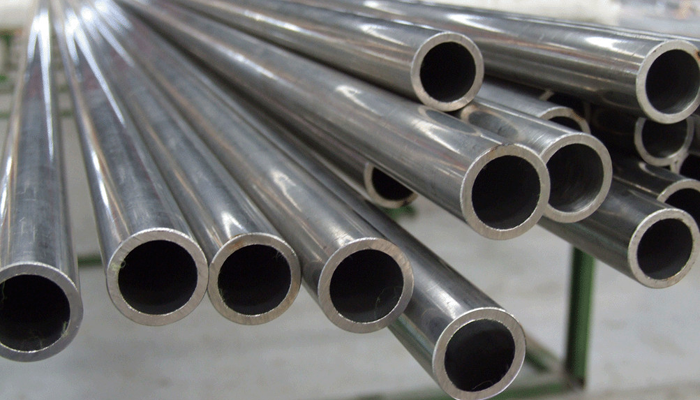
Welding is a critical process in industries like oil & gas, manufacturing, and construction. Traditional welding methods, while effective in certain scenarios, often present challenges such as inconsistent quality, inefficiency, and safety concerns. Automation welding provides a powerful solution to these common issues by integrating advanced technology and precision into the welding process. This article explores the most frequent problems in traditional welding and how automation welding addresses them.
1. Inconsistent Weld Quality
The Problem: Traditional welding heavily depends on the skill level of the welder. Variations in hand movement, temperature control, or technique can result in inconsistent weld quality. Imperfections such as porosity, cracking, or uneven joints can compromise the structural integrity of the weld.
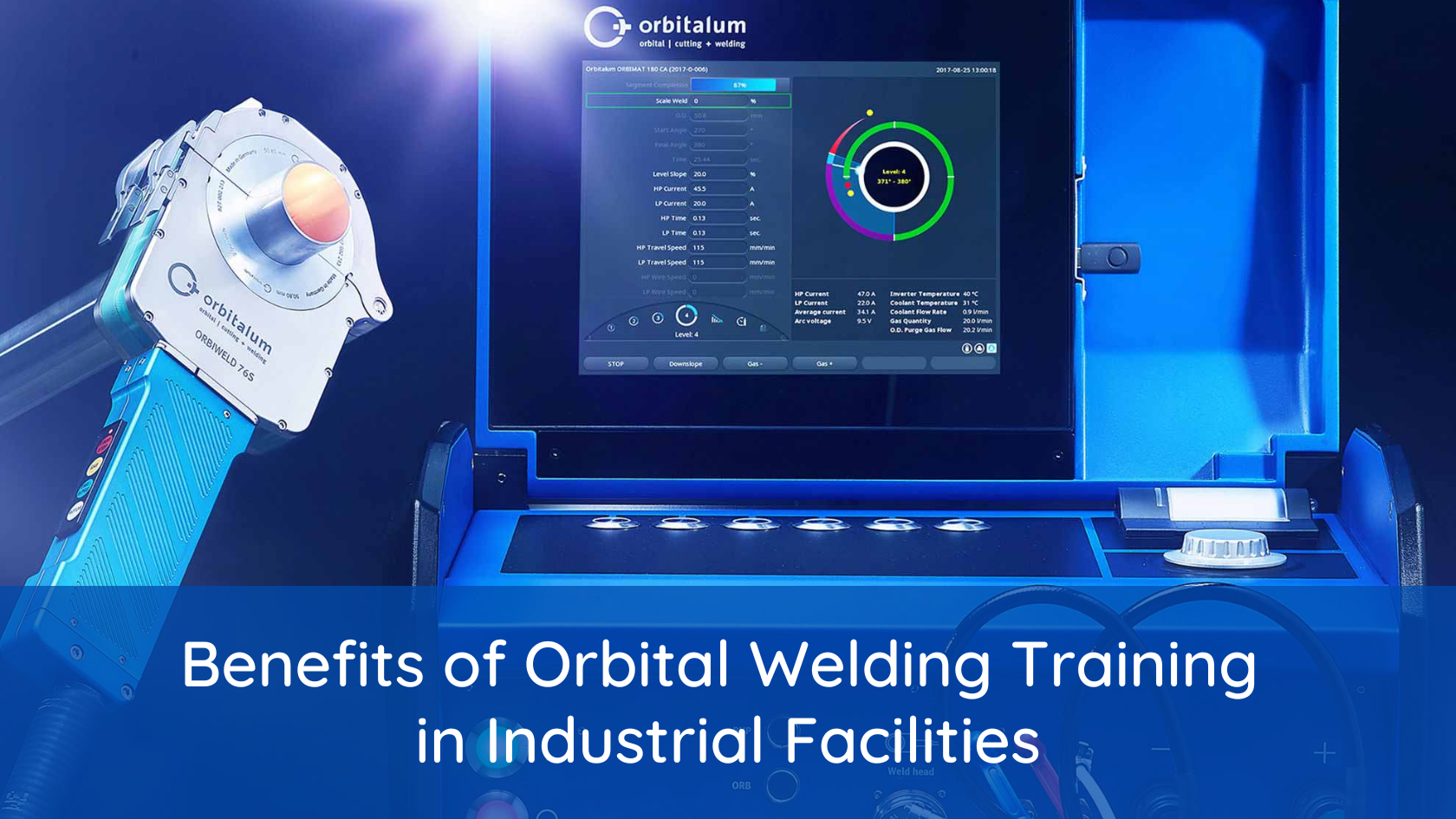
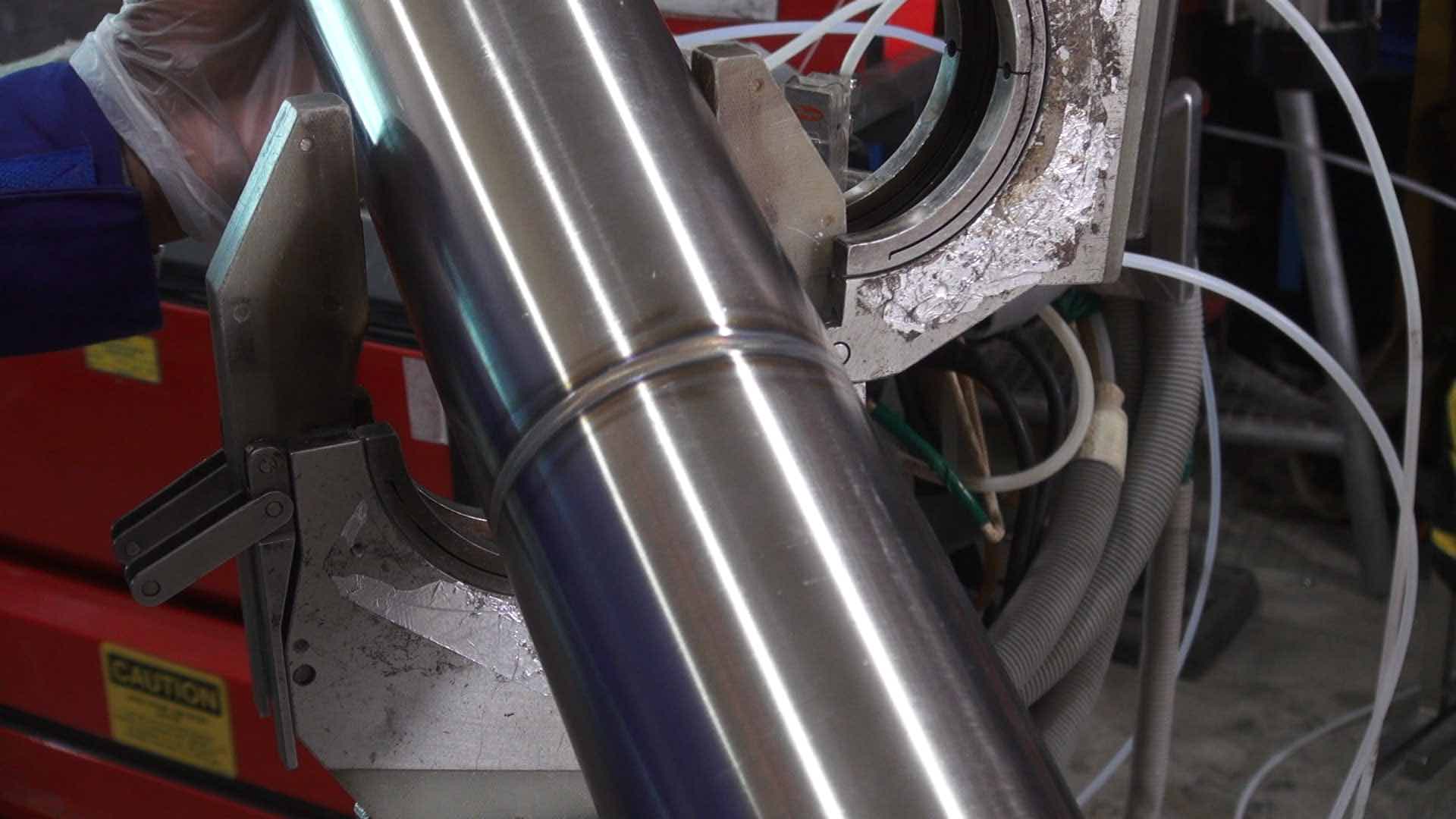
The Solution with Automation: Automated welding systems, such as robotic or orbital welding technology, ensure consistency by maintaining precise control over critical variables like speed, heat, and filler material application. These machines follow programmed paths, eliminating human error and achieving uniformity across all welds. For instance, in small-diameter pipe welding, orbital welding offers seamless, high-quality welds with minimal defects.
2. Low Productivity and Efficiency
The Problem: Manual welding is labor-intensive and time-consuming, particularly for complex or repetitive tasks. Downtime due to welder fatigue or equipment setup can significantly reduce overall productivity.
The Solution with Automation: Automated welding increases productivity by operating continuously without breaks or fatigue. Machines can handle repetitive tasks efficiently, often completing them faster than manual welders. Automated systems can also work in parallel with human operators for a hybrid approach, maximizing output. This is especially beneficial in industries with tight deadlines and high demand, such as manufacturing or construction.
3. Difficulty in Welding Confined Spaces
The Problem: Welding in confined spaces, such as small-diameter pipes or tubes, is a challenge for manual welders. Limited mobility and visibility make it difficult to achieve high-quality welds, increasing the likelihood of defects.
The Solution with Automation: Automation welding excels in confined spaces by using specialized tools like orbital welding machines. These machines are designed to weld in tight environments, ensuring precise and consistent results. With remote control capabilities, operators can perform welds safely and efficiently without needing to access cramped or hazardous areas directly.
4. Safety Hazards for Welders
The Problem: Welders face numerous hazards, including exposure to high heat, harmful fumes, and ultraviolet (UV) radiation. Manual welding in hazardous environments, such as elevated surfaces or confined spaces, increases the risk of accidents.
The Solution with Automation: Automated welding systems prioritize safety by minimizing the need for human intervention in dangerous environments. Remote-controlled and robotic systems allow operators to manage welding processes from a safe distance. Automation also reduces exposure to harmful fumes and radiation, creating a safer workplace overall.
5. Limited Skilled Workforce
The Problem: The welding industry is experiencing a shortage of skilled workers. Training manual welders to a high level of proficiency takes time, and the demand for experienced welders often outpaces supply.
The Solution with Automation: Automated welding reduces reliance on manual labor by performing complex tasks with minimal human oversight. Operators can be trained to program and monitor welding systems, addressing the skills gap more efficiently. This approach ensures that industries can maintain high-quality output despite workforce shortages.
6. High Material Wastage
The Problem: In traditional welding, errors such as over-welding or improper technique can lead to significant material wastage. This inefficiency increases costs and reduces profitability.
The Solution with Automation: Automation welding minimizes material wastage by precisely controlling filler material application and heat input. Machines are programmed to use the exact amount of material needed, reducing waste and ensuring cost-efficiency. Over time, this can lead to substantial savings, particularly in high-volume operations.
7. Complex Welding Requirements
The Problem: Advanced industries like aerospace, pharmaceuticals, and energy often require welds that meet stringent quality standards. Traditional welding may struggle to meet these requirements consistently, especially for intricate designs or exotic materials.
The Solution with Automation: Automated welding systems are capable of handling complex welding tasks with precision and reliability. For example, orbital welding systems are ideal for high-purity applications in the pharmaceutical and food industries, where contamination or inconsistencies are unacceptable. By integrating automation, industries can meet the most demanding specifications with confidence.
Conclusion
Traditional welding methods, while foundational to many industries, often struggle with issues like inconsistent quality, inefficiency, safety risks, and workforce shortages. Automation welding offers a transformative solution to these challenges by leveraging precision, consistency, and advanced technology.
Whether it’s improving productivity, reducing material wastage, or ensuring worker safety, automation welding provides a clear path to overcoming the limitations of traditional methods. As industries continue to demand higher standards and faster turnaround times, investing in automated welding systems will be essential for staying competitive in the modern landscape.
By addressing these common problems, automation welding is not just a tool but a critical enabler of efficiency and excellence in today’s industrial operations.