

Understanding Salt for Water Softeners
Hard water can be a hidden nuisance in homes and businesses, causing issues ranging from clogged appliances to skin irritation. Water softeners are essential in areas with hard water, and the type of salt used in these systems is crucial for their effectiveness. In Bahrain, where hard water is a common issue, choosing the right water softener salt can significantly improve the quality of water in your home.
Water softener salt works by exchanging the calcium and magnesium ions in hard water with sodium ions. This process, known as ion exchange, helps to soften the water, making it more suitable for household use. There are various types of water softener salts available, each with its own advantages and disadvantages.
How to Select the Best Water Softener Salt
Selecting the right water softener salt for your home in Bahrain involves considering several factors. Firstly, you need to determine the level of hardness in your water. This can be done through water testing kits or by consulting with a water treatment professional. Once you know the hardness level, you can choose the appropriate type of salt.
Another factor to consider is the type of water softener system you have. Different systems may require specific types of salt to function optimally. Additionally, the maintenance requirements and cost of the salt should also be taken into account. It's important to choose a salt that not only softens your water effectively but also fits within your budget and maintenance capabilities.
Water Softener Salt: Pros and Cons
There are several types of water softener salts available, each with its own set of pros and cons. The most common types include rock salt, solar salt, evaporated salt, and potassium chloride.
Rock Salt: Rock salt is the most affordable option and is readily available. However, it contains more impurities compared to other types, which can lead to more frequent maintenance of your water softener system.
Solar Salt: Solar salt is produced through the evaporation of seawater and is generally purer than rock salt. It is more effective at softening water and requires less maintenance. However, it is also more expensive than rock salt.
Evaporated Salt: Evaporated salt is the purest form of water softener salt, produced through a process of mining and evaporation. It is highly effective at softening water and requires minimal maintenance. The downside is that it is the most expensive option.
Potassium Chloride: Potassium chloride is an alternative to sodium-based salts and is ideal for those looking to reduce their sodium intake. It is effective at softening water but is more expensive and less readily available than other types of salt.
Recommended Water Softener Salt for Bahrain
For homes in Bahrain, where hard water is a prevalent issue, it is recommended to use high-quality water softener salts such as Bahrain Chemicals' Premium Water Softener Salt. This salt is specifically designed to tackle the hard water problems common in the region and offers an effective solution for improving water quality.
Bahrain Chemicals' Premium Water Softener Salt is a pure, evaporated salt that ensures optimal performance of your water softening system. It is highly effective at removing hardness-causing minerals from your water, reducing the risk of clogged appliances and skin irritation. Additionally, it requires minimal maintenance, making it a convenient and efficient choice for homeowners in Bahrain.
In conclusion, choosing the right water softener salt is essential for maintaining the quality of water in your home. By understanding the different types of salts available and considering factors such as water hardness, system requirements, and maintenance, you can select the best salt for your needs. For residents of Bahrain, Bahrain Chemicals' Premium Water Softener Salt is a highly recommended option that offers excellent performance and convenience.
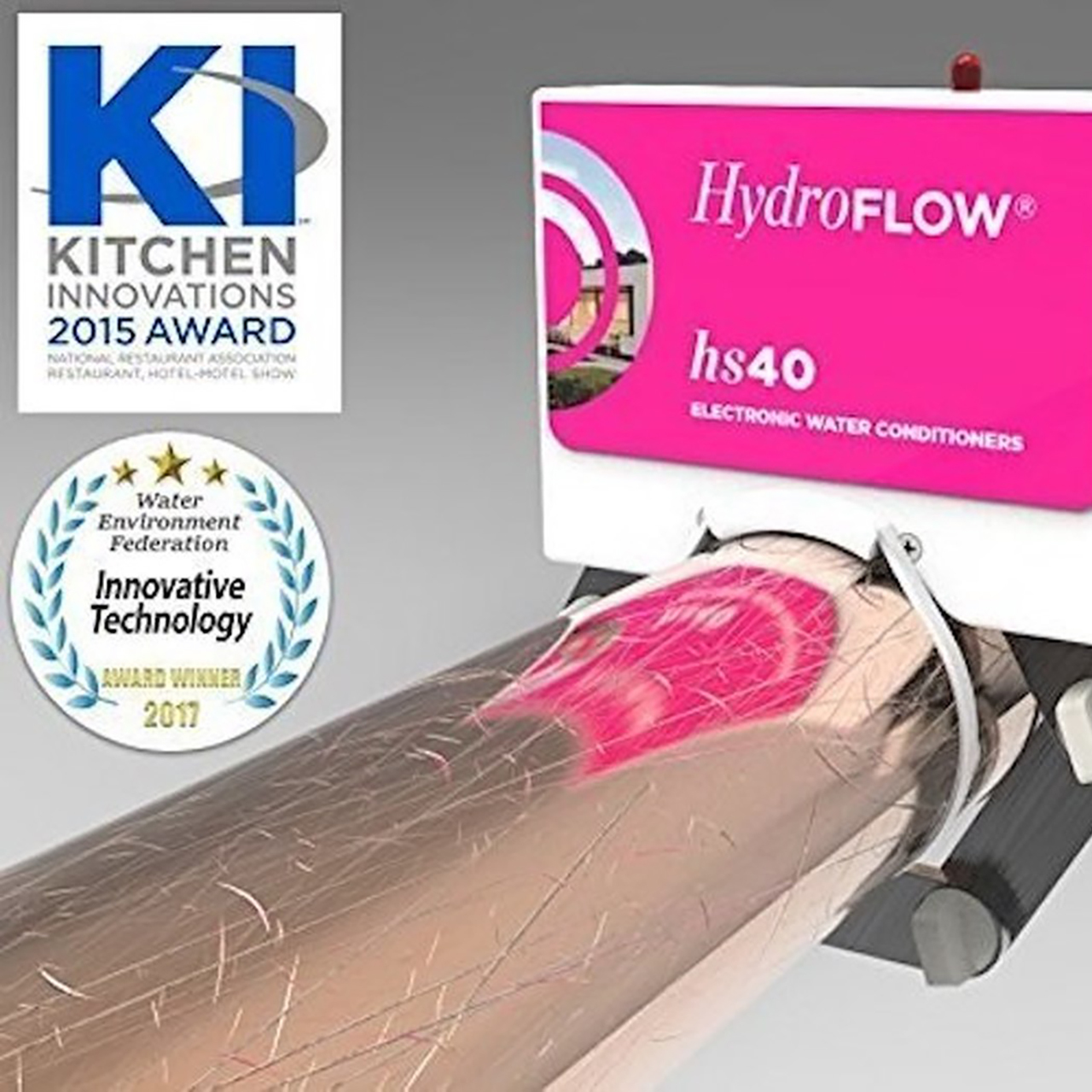
HydroFlow provides a commercial water softener system that is specifically designed and manufactured to treat the consequences of limescale for a wide range of applications.
It is made out of stainless steel, which will resist staining, rusting and oxidizing and won’t get a slippery feel after the water has been treated.
At Shop HydroFlow, we provide you with an Electric On Demand Water Heater that is easy to install and requires no plumbing.
These water softeners help to prevent limescale build-up in water and help to avoid it in becoming hard.
We provide water softeners for both residential and commercial areas, Hop on to our website to know more about our products in detail.