

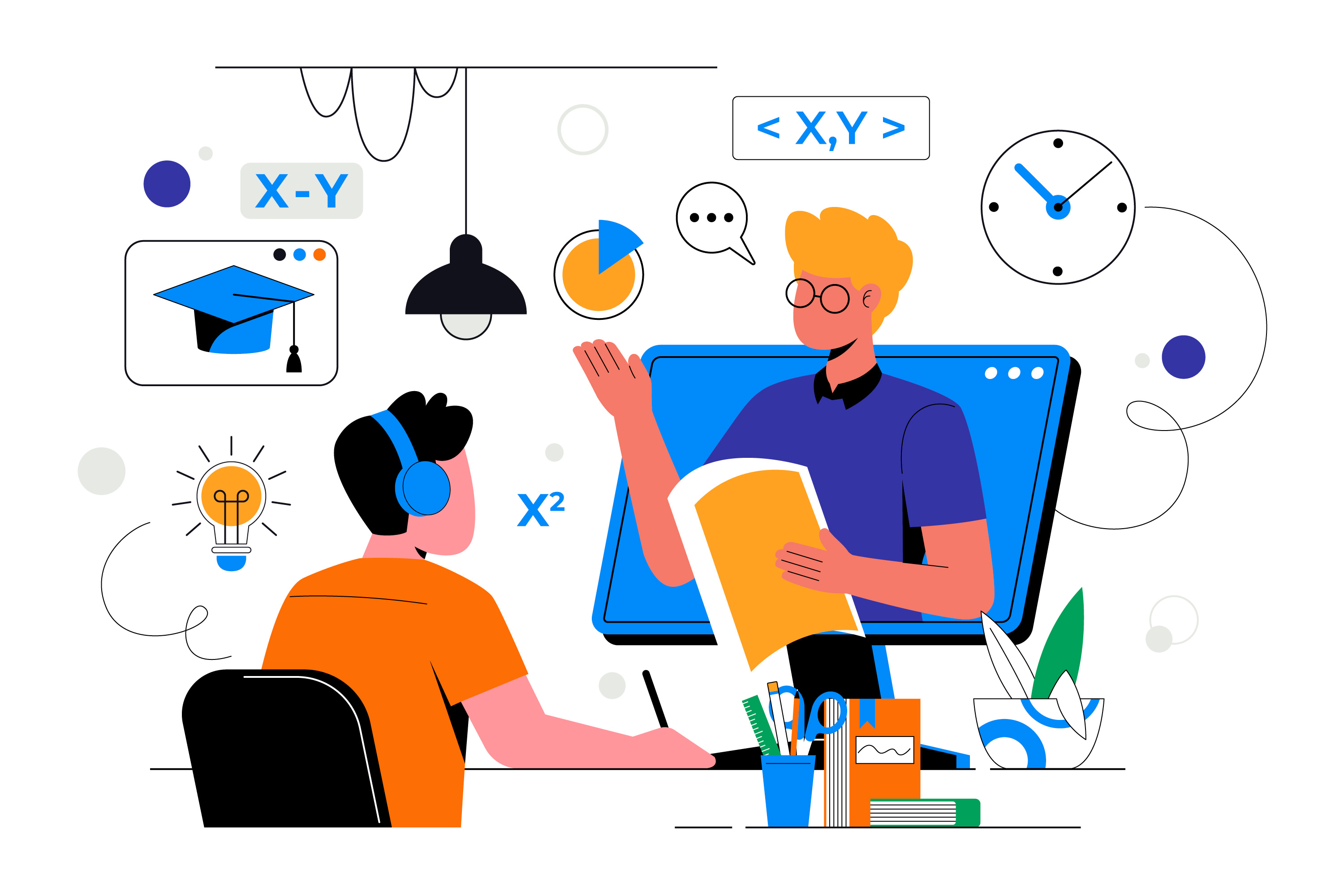
In recent years, the field of education has undergone a significant transformation, thanks to the integration of artificial intelligence (AI). Among the most groundbreaking applications is the emergence of AI-powered tutoring systems, which are revolutionizing personalized learning. These systems are not just a trend; they represent a fundamental shift in how education is delivered, tailored, and optimized for individual learners.
1. Adaptive Learning Tailored to Individual Needs
One of the most compelling features of AI tutoring systems is their ability to adapt to the unique needs of each student. Unlike traditional teaching methods, which often follow a one-size-fits-all approach, AI systems analyze a student’s performance, learning pace, and areas of difficulty in real-time. Based on this analysis, they customize lesson plans, provide targeted feedback, and adjust the difficulty level of tasks. This ensures that students receive the support they need without feeling overwhelmed or under-challenged.
2. Continuous Feedback and Improvement
AI tutoring systems provide continuous, data-driven feedback, helping students understand their progress and areas for improvement. This immediacy fosters a more engaging learning experience, as students can see tangible results and track their growth over time. Teachers, too, benefit from these insights, as they can identify patterns in student performance and refine their instructional strategies accordingly.
3. Accessibility and Scalability
Another advantage of AI-powered tutoring systems is their ability to make personalized education accessible to a wider audience. Traditional one-on-one tutoring can be costly and limited by geographic constraints. In contrast, AI systems are scalable and available 24/7, breaking down barriers to education for students in remote or underserved areas. This accessibility is particularly valuable in promoting equitable learning opportunities.
4. Enhancing Student Engagement
AI tutoring systems use gamification, interactive simulations, and multimedia content to keep students engaged. By making learning more interactive and enjoyable, these systems can sustain a student’s interest and motivation. Moreover, they create an environment where students feel comfortable experimenting, making mistakes, and learning at their own pace.
5. Supporting Teachers and Parents
Far from replacing educators, AI tutoring systems act as valuable allies. They take on repetitive tasks, such as grading and administrative work, freeing up teachers to focus on more creative and interpersonal aspects of teaching. Parents also benefit from detailed progress reports generated by these systems, which provide insights into their child’s strengths and challenges.
6. Preparing Students for the Future
As technology continues to shape the future workforce, familiarity with AI tools becomes increasingly important. AI tutoring systems not only impart academic knowledge but also cultivate critical thinking, problem-solving, and digital literacy skills. These competencies are essential for thriving in an AI-driven world.
Conclusion
AI tutoring systems are poised to redefine the landscape of education by making personalized learning more efficient, accessible, and engaging. As these systems continue to evolve, they hold the promise of bridging educational gaps and empowering students to achieve their full potential.