



Root canal therapy (RCT) is one of the most effective treatments available for saving teeth that are severely infected or damaged. While root canals were once feared for their association with pain and discomfort, advancements in dental technology and techniques have significantly improved the procedure, making it faster, less painful, and more effective than ever before. If you're considering a root canal, it's essential to understand how these modern innovations can benefit you and ensure the best possible outcome.
1. Enhanced Diagnostic Tools: Precise Diagnosis for Better Results
One of the first steps in root canal therapy is diagnosing the infection or damage to the tooth. In the past, dentists relied heavily on traditional X-rays, which provided limited insight into the exact location and extent of the infection. Today, digital radiography and 3D imaging technologies, such as cone beam computed tomography (CBCT), offer much higher precision in diagnosing tooth infections.
CBCT, for example, provides a three-dimensional view of the tooth, roots, and surrounding bone structure. This detailed image allows the dentist to assess the tooth’s condition with greater accuracy, detect hidden infections that might not be visible on a standard X-ray, and plan the procedure more effectively. By pinpointing the exact areas needing treatment, these modern tools help reduce the chances of complications and improve the overall success of the root canal.
2. Laser-Assisted Root Canal Treatment: A Gentle and Efficient Option
Lasers are transforming a variety of dental procedures, including root canal therapy. Laser-assisted root canal treatment uses focused laser light to remove infected tissue, disinfect the root canals, and even shape the canals for optimal filling. The laser’s precision minimizes the need for traditional mechanical instruments, reducing discomfort and swelling during the procedure.
The use of lasers offers several benefits over traditional methods. For one, lasers can be less invasive, reducing the amount of pressure and physical manipulation required inside the tooth. This translates to a less traumatic experience for the patient, which often means less pain, swelling, and discomfort after the procedure. Additionally, lasers help sterilize the area, ensuring that the root canal is thoroughly disinfected and reducing the risk of reinfection.
3. Improved Numbing Techniques: Minimizing Discomfort
A common concern for patients undergoing root canal treatment is the fear of pain. However, with the development of modern anesthetic techniques, the entire procedure is now virtually pain-free. Dentists can now offer more effective and targeted local anesthesia, which numbs only the area around the tooth being treated. This means that patients can expect minimal discomfort during the procedure itself, as the affected area will be completely numbed.
In addition to local anesthesia, sedation options such as nitrous oxide (laughing gas) and oral sedatives are available to help patients relax and feel more comfortable during the treatment. These options are particularly useful for those with dental anxiety or fear of the procedure. With these modern advancements, a root canal no longer has to be associated with pain or discomfort.
4. Rotary Endodontic Instruments: Faster and More Efficient Treatment
Traditionally, root canal treatment was performed with hand instruments, which required a great deal of manual labor and could take a significant amount of time. While effective, this method was not as efficient or precise as it could be. Today, rotary endodontic instruments have revolutionized the process. These motorized tools allow the dentist to clean and shape the root canals much more efficiently, reducing the time spent on the procedure and improving the overall accuracy of the treatment.
Rotary instruments also provide greater control and precision during the cleaning and shaping stages. These instruments allow the dentist to work faster and with more accuracy, helping to preserve the tooth structure and avoid damaging delicate areas. The use of rotary instruments can shorten the duration of the procedure, making it more convenient for patients and reducing the likelihood of complications.
5. Advanced Filling Materials: Stronger, Longer-Lasting Results
Once the root canal is cleaned and shaped, the next step is to fill the empty spaces in the tooth to prevent reinfection. In the past, root canal fillings were typically made from materials that were less durable and more prone to wear over time. Today, advanced filling materials, such as gutta-percha and bioceramic sealers, offer superior strength, biocompatibility, and long-lasting results.
Gutta-percha is a rubber-like material that is commonly used in modern root canal treatments. It is biocompatible, meaning it is safe to use within the body and does not cause adverse reactions. Bioceramic sealers are another innovative material used to fill and seal the root canals. These materials offer exceptional sealing properties, ensuring that the tooth remains protected against infection for years to come.
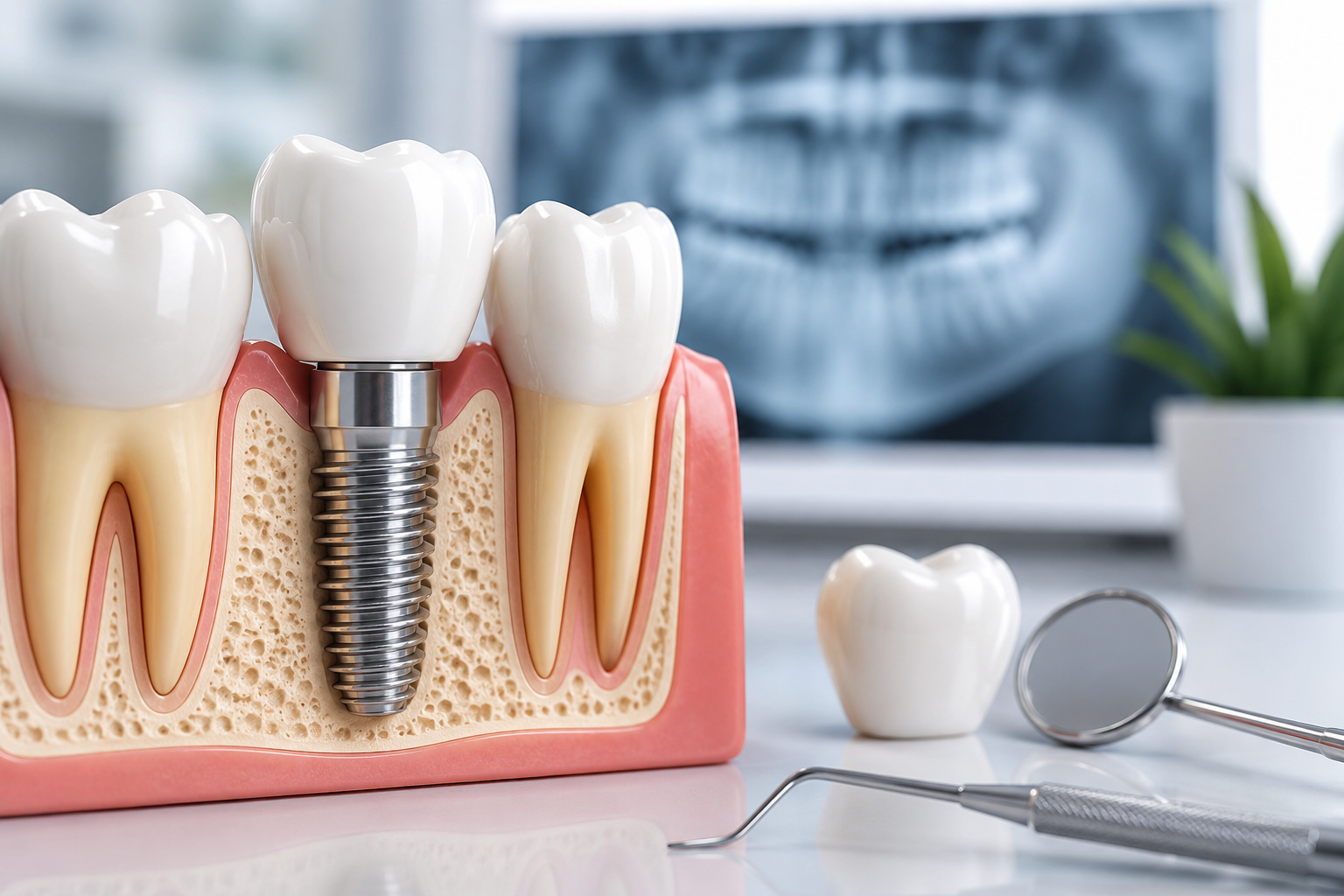
In addition to these advanced materials, dentists may also recommend the placement of a dental crown to restore the tooth’s strength and function. A crown acts as a protective cap that covers the tooth, preventing it from fracturing and restoring its natural appearance and function.
6. One-Visit Root Canals: Convenience and Efficiency
Traditionally, root canal therapy required multiple visits to the dentist. The process involved cleaning and shaping the canals, followed by a temporary filling, and then a second visit to place the permanent filling or crown. However, with advances in dental technology and materials, many root canal procedures can now be completed in a single visit.
One-visit root canals are made possible by faster diagnostic tools, improved anesthetic techniques, and more efficient treatment methods, such as rotary instruments and laser-assisted treatment. This not only makes the procedure more convenient for patients, but it also reduces the overall time spent in the dental chair. For patients with busy schedules or those who want to minimize disruption to their daily lives, one-visit root canals are an attractive option.
7. Better Success Rates and Fewer Complications
Modern advances in root canal therapy have led to improved success rates and fewer complications. With the use of advanced diagnostic tools, laser-assisted treatments, and precision instruments, dentists can now offer more effective and efficient root canal procedures. These advances have also reduced the risk of reinfection and other complications, leading to a higher long-term success rate for the procedure.
Additionally, the use of improved filling materials and restorative techniques ensures that the treated tooth is as strong and functional as possible. The combination of these advancements means that patients can expect a higher likelihood of saving their natural tooth and avoiding the need for extraction or further dental work in the future.
Conclusion: The Future of Root Canal Therapy
Root canal therapy has come a long way from the traditional procedures that many people fear. Thanks to modern advances in dental technology and techniques, root canal treatments are now faster, more comfortable, and more effective than ever before. Whether through the use of lasers, rotary instruments, improved anesthesia, or advanced filling materials, these innovations have made root canals a routine and hassle-free procedure that helps preserve natural teeth and promote long-term oral health.
If you’ve been recommended for a root canal, don’t let past fears or misconceptions hold you back. With these modern advancements, you can be confident that you’ll receive the highest level of care, with minimal discomfort and maximum results. Root canal therapy is an essential tool in modern dentistry, helping you maintain your smile for years to come.

Root canal treatment is a main procedure in Endodontics, which is the study of diseases of the tooth’s pulp.
Looking for the root canal therapy specialist or endodontist to remove the nerve of a tooth?

Many advanced dental clinics offer root canal treatment in Perth.
You may come across heaps of ads from dentists claiming their dental services are the best in the area.
They may not be wrong, but how do you know which one is the best option for you?
The only way to know this is by doing thorough research of the best dental clinics and their services.
This can help you select the right place for your dental treatment.Read more
