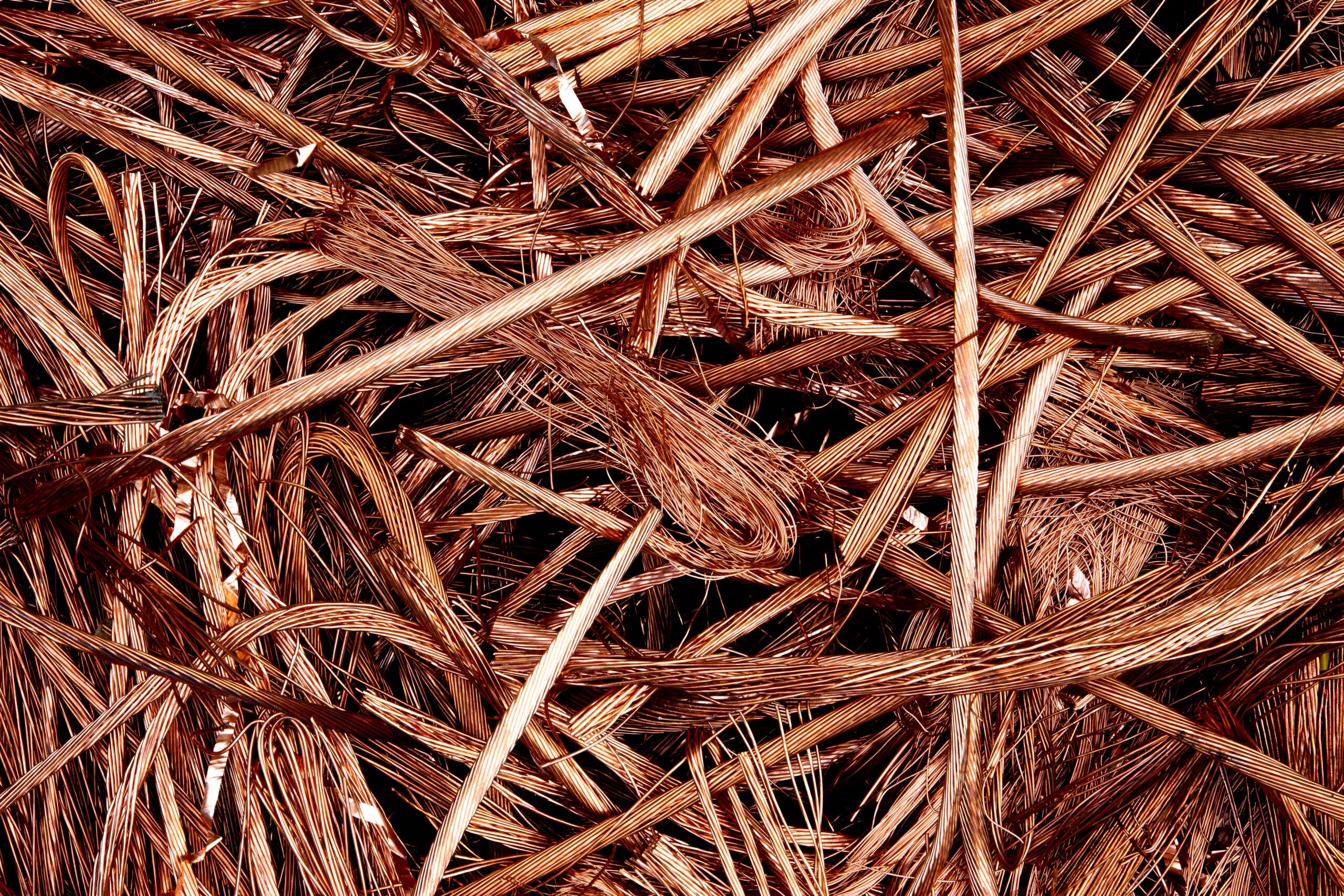
Copper is one of the most commonly used metals in the modern world. With excellent conductivity, durability, and antimicrobial properties, copper finds applications across many industries, including construction, electronics, transportation, and more. Around 20 million tons of new copper are mined globally each year to meet growing demand. However, copper mining comes at a cost to the environment due to pollution, greenhouse gas emissions, and depletion of natural resources. Recycling offers a more sustainable alternative to primary copper production from mines.
Collection and Processing of Recycled Copper
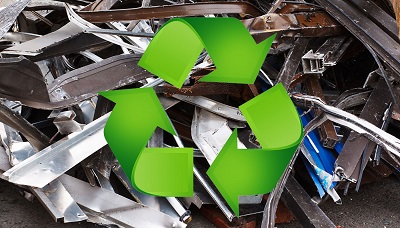
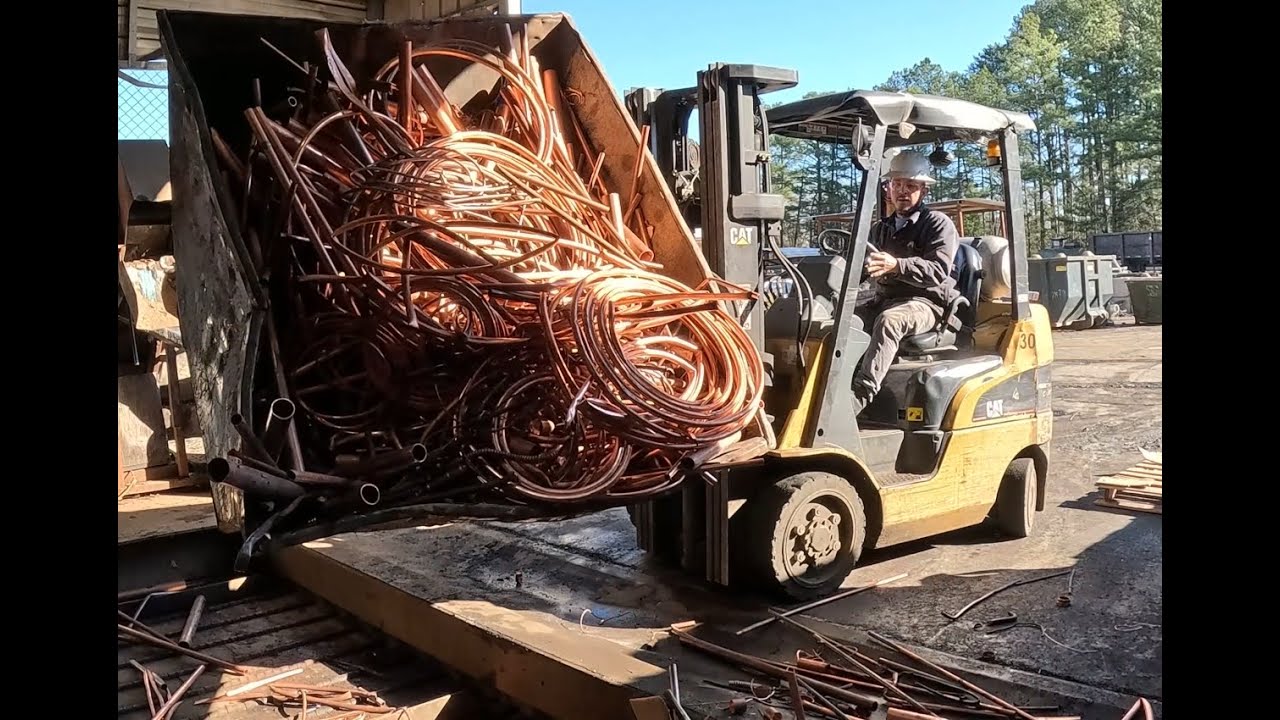
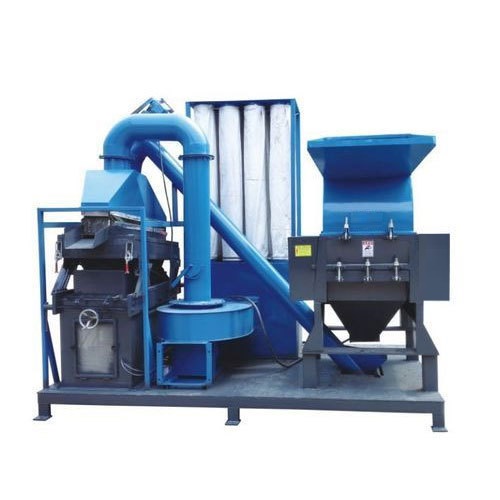
The first step in recycling copper involves its collection. Usable copper is recovered from many discarded products and industrial scrap. Major collection sources include demolition waste from buildings, wiring from electronics, pipes and tubing, and automotive components. Collectors segregate the copper-containing scrap and transport it to recycling facilities. There, the scrap undergoes size reduction and shredding to produce a uniform feed. Next, various physical and chemical processing techniques are used to separate and purify the copper from other materials like plastics, aluminum, and steel. Common separation methods rely on differences in density, magnetic properties, and reaction to chemical leaching. The purified copper is then melted and cast into saleable forms like ingots, billets, or rods.
Environmental and Economic Benefits of Copper Recycling
Recycled Copper brings notable environmental advantages over primary production. It significantly reduces greenhouse gas emissions, energy usage, water consumption, and mining impacts associated with extracting copper ore from the ground. Recycling one ton of copper saves enough energy to power the average American home for over six months. It also decreases pollution by containing toxins that would otherwise be released into the air/water during the smelting of virgin ores. Reusing copper alleviates pressure on diminishing high-grade deposits as well. Substituting recycled material for mined copper also boosts economic performance. Global recycled copper reserves total tens of millions of tons, with more becoming available each year. This provides a reliable and affordable alternative metal source. Cost savings from recycling range from 30-85% compared to smelting primary copper. Recycling copper processing requires around 85% less energy and avoids most mining and smelting expenses. Lower material costs in turn benefit copper-consuming industries and consumers.
Challenges and Potential for Further Growth
While copper recycling is well established, opportunities remain to increase recovery rates and streamline operations further. Currently, only about 33% of the copper available in retired products gets recycled in many areas. Improving collection infrastructure and developing new separation technologies could boost yields. Public education also assists by encouraging greater participation in recycling programs. Another challenge involves fluctuating copper prices; economic incentives decrease when primary metal becomes relatively cheaper than secondary material. More robust policies promoting recycling even during price downturns may help address this. Looking ahead, trends like urbanization, electrification, and the growth of renewable energy portend steadily rising copper needs globally. Sustained recycling will play an important role in meeting this demand sustainably.
Recycling has become a major pillar supporting the global copper supply chain. It delivers extensive environmental and economic benefits compared to primary mining and production. While still offering room for expansion, copper recycling already provides environmental stewardship and cost savings across industries. As copper usage grows to enable low-carbon technologies, recycling will grow in strategic importance to support a sustainable supply of this versatile metal. Increased recycling rates through new technologies and robust policy frameworks can optimize these advantages for both business and the environment.
Discover the language that resonates with you:
· Japanese
· Korean
About Author:
Alice Mutum is a seasoned senior content editor at Coherent Market Insights, leveraging extensive expertise gained from her previous role as a content writer. With seven years in content development, Alice masterfully employs SEO best practices and cutting-edge digital marketing strategies to craft high-ranking, impactful content. As an editor, she meticulously ensures flawless grammar and punctuation, precise data accuracy, and perfect alignment with audience needs in every research report. Alice's dedication to excellence and her strategic approach to content make her an invaluable asset in the world of market insights.
(LinkedIn: www.linkedin.com/in/alice-mutum-3b247b137 )