

Solar panels are an excellent long-term investment for homeowners, providing a sustainable energy source that can lower electricity bills and reduce carbon footprints. However, like any investment, they require proper maintenance to ensure optimal performance and longevity. Understanding how often you should perform solar panel maintenance and what tasks should be included can help maximize the lifespan of your solar energy system.
In this comprehensive solar panel maintenance guide, we will explore the importance of maintaining solar panels, the common maintenance tasks, and how often these should be performed. Additionally, we will discuss solar asset management, a vital aspect of keeping your system in good shape, and the role of professional solar service providers in maintaining your system.
The Importance of Solar Panel Maintenance
Solar energy systems are designed to be low maintenance, and once installed, they can last for 25-30 years or more. However, like any piece of technology, they require periodic attention to ensure they are functioning optimally. Regular maintenance can help prevent costly repairs and improve the efficiency of your solar panels, ensuring they generate the maximum possible energy output over their lifespan.
The maintenance of a solar panel system is not just about keeping the panels clean; it involves several checks and services that can help optimize performance and avoid future problems. Neglecting regular maintenance may lead to decreased efficiency and the need for more expensive repairs down the line.
Solar Panel Maintenance Guide: What Tasks Should You Include?
1. Cleaning the Solar Panels
One of the most straightforward yet important tasks in solar panel maintenance is cleaning the panels. Over time, dirt, dust, leaves, and bird droppings can accumulate on the surface of the panels, reducing their efficiency. When the panels are covered with debris, they cannot absorb sunlight effectively, which decreases the energy output.
How often should you clean the panels? This depends on the environmental conditions of your area. If you live in a dusty area or near trees that drop leaves or pollen, you may need to clean your panels every 3 to 6 months. In less dusty regions, cleaning them once a year should be sufficient.
Cleaning should be done carefully to avoid damaging the panels. Use a soft cloth or a sponge and mild soapy water. Avoid harsh cleaning agents or abrasive tools that can scratch or damage the surface of the solar panels.
2. Inspecting for Damage
Inspecting your solar panels for visible damage is another crucial maintenance task. After a storm or heavy weather, it’s especially important to check for any physical damage such as cracks, chips, or broken panels. Even small damage can reduce the panel’s performance and needs to be addressed immediately.
A professional inspection should be done every 1-2 years to check for issues that might not be visible on the surface, such as wear on electrical connections or the inverter. Inspecting the wiring for wear and tear and ensuring that connections are secure will help prevent problems that can lead to system malfunctions.
3. Checking the Inverter
The inverter is the component of your solar energy system that converts the DC electricity generated by the solar panels into AC electricity that can be used in your home. Over time, inverters can become less efficient or malfunction, so it’s important to check their status regularly.
Most inverters have a display panel that shows whether they are operating correctly. If there is an issue, the display will show an error code or warning. You should check the inverter’s performance at least once a month. If you notice any signs of malfunction, it’s best to call a professional to inspect and repair it.
4. Monitoring Solar System Performance
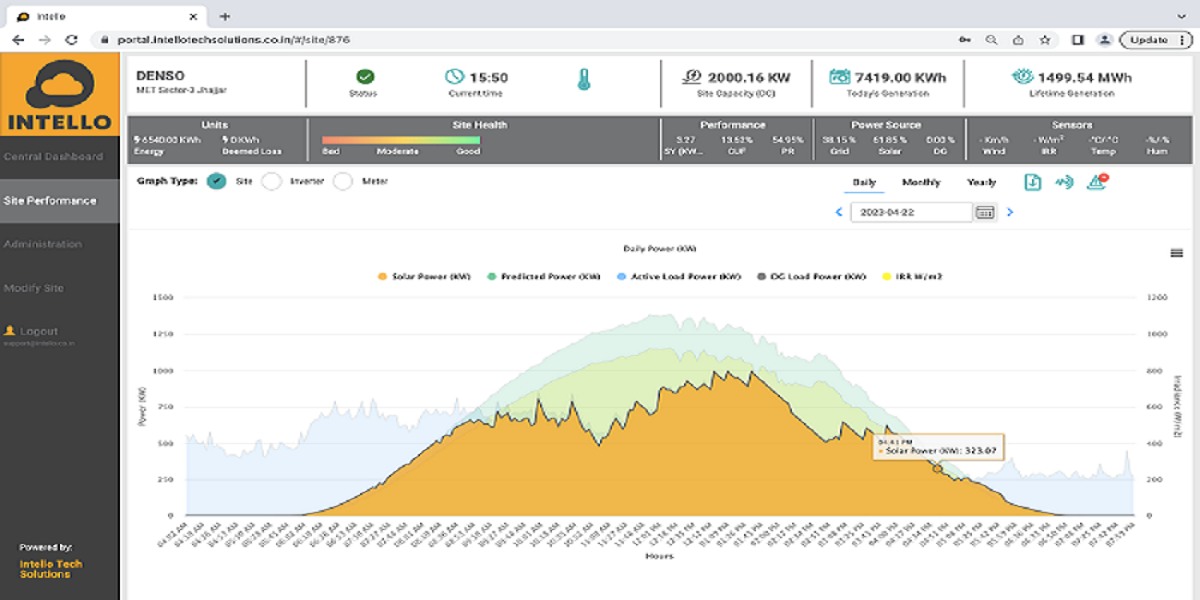
With modern technology, many solar systems come equipped with solar asset management tools that allow homeowners to monitor their solar panels' performance remotely. These monitoring systems track the amount of energy generated and consumed and can alert you to any inefficiencies or malfunctions.
Regularly checking the system’s performance can help you spot any issues early on. Many systems also allow for real-time monitoring, so you can identify any sudden drop in energy production and address the issue before it becomes more serious. Most experts recommend checking your system’s performance every 1-3 months.
5. Maintaining the Battery (If Applicable)
If your solar system includes a battery for energy storage, maintaining it is crucial to ensure that your system functions effectively. Batteries lose capacity over time, so regular checks of battery charge levels, temperature, and overall health are necessary.
Depending on the type of battery (lithium-ion, lead-acid, etc.), you may need to perform different maintenance tasks. For instance, if you have a lead-acid battery, it’s important to monitor the electrolyte levels and add distilled water if necessary. Lithium-ion batteries generally require less maintenance but should still be checked for signs of wear and damage.
6. Trimming Overhanging Branches
Trees and other vegetation can pose a risk to your solar panels. Overhanging branches may drop leaves, branches, or sap onto the panels, which can decrease efficiency. In some cases, heavy branches can even cause physical damage to the panels. Regularly trimming any overhanging trees and shrubs will help ensure that your solar system remains unhindered by debris and damage.
7. Cleaning the Gutters
Although not directly related to the solar panels themselves, cleaning your gutters is an important part of overall solar system maintenance. If gutters are clogged, they can overflow and cause water damage to the solar panel system, especially to the wiring and connections. Clean your gutters at least twice a year to prevent any issues.
How Often Should You Perform Solar Panel Maintenance?
Now that we’ve covered the key maintenance tasks, let’s look at how often you should perform these actions. The frequency of solar panel maintenance can vary depending on several factors, including your location, the type of solar system you have, and your energy consumption needs.
Here’s a general guideline:
Monthly:
- Monitor system performance using your solar monitoring system to check energy production and consumption.
- Check the inverter for any error codes or signs of malfunction.
Quarterly:
- Clean the solar panels if you live in a dusty area or near trees.
- Inspect the panels for any visible damage, such as cracks or dirt buildup.
Semi-Annually:
- Clean the panels in less dusty regions or after a heavy storm.
- Trim overhanging branches to prevent shade and potential damage to the panels.
Annually:
- Inspect the solar system for any electrical issues, including loose wiring or damaged connectors.
- Check the battery for signs of wear, especially if you use one for energy storage.
- Clean the panels if you haven’t already done so.
Every 2-3 Years:
- Schedule a professional inspection for a detailed checkup, including a thorough review of the inverter and wiring.
As Needed:
- Repair any physical damage immediately, especially after storms or other weather-related events.
- Replace components that have reached the end of their lifespan, such as inverters or batteries.
The Role of Solar Asset Management in Regular Maintenance
Solar asset management refers to the process of monitoring, maintaining, and optimizing the performance of solar energy systems. It includes everything from tracking energy production and consumption to scheduling inspections and repairs. By using solar asset management tools, homeowners and solar service providers can keep track of the health and efficiency of a solar panel system.
One of the main benefits of solar asset management is that it helps identify performance issues before they become serious. For instance, if a solar panel is underperforming, asset management tools can alert the homeowner, allowing them to take corrective action before the system fails completely.
Many modern solar monitoring systems are part of a broader solar asset management platform, which may also include remote diagnostics and predictive maintenance. These systems can help prevent downtime, reduce repair costs, and ensure that the solar panels continue to operate efficiently.
Professional Solar Panel Maintenance Services
While routine maintenance can be performed by homeowners, there are times when it’s beneficial to call in professionals for more complex tasks. For instance, inspecting the inverter or conducting a detailed electrical inspection may require the expertise of a certified technician.
Professional solar service providers, like those offering solar asset management services, can perform thorough system checks, handle repairs, and optimize the performance of your solar panels. Many service providers offer annual or bi-annual maintenance packages that include inspections, cleaning, and other essential tasks.
Conclusion
Maintaining your solar panel system is crucial to ensuring its longevity and optimal performance. By following a regular solar panel maintenance guide and staying on top of cleaning, inspections, and monitoring, you can keep your system running smoothly for decades. Solar asset management tools, combined with periodic professional inspections, can help identify potential issues early and keep your system performing at its best.
Whether you handle maintenance yourself or rely on a professional service provider, the key to maximizing the benefits of your solar energy system is regular upkeep. Proper solar panel maintenance not only enhances efficiency but also protects your investment, making sure your solar panels continue to provide clean, renewable energy for years to come.
Today I am talking about a great technology which name is solar panel.
We all know that solar system is helpful for the environment.
Here electricity is generated through solar panels using sunlight.Miller solar group is an online solar company where energy power products are available at affordable prices.
They provide solar panels and solar cleaning services to the customers; they work in such a way that the customers are 100% satisfied.
They are one of the few solar cleaning and solar panel installer in the area.
Highly competitive and amazing service.