In the rapidly evolving landscape of healthcare and technology, the intersection of digital solutions and medical documentation is becoming increasingly important. One area where this convergence is particularly evident is in the notarization of medical forms. The advent of online notary services for medical documents is revolutionizing how healthcare providers, patients, and administrative staff handle crucial paperwork. This blog post delves into the world of online notary services for medical forms, exploring its benefits, challenges, and implications for the future of healthcare documentation.
Understanding Online Notary Services for Medical Forms
Online notary services, also known as e-notarization or remote online notarization (RON), allow individuals to have their documents notarized virtually, without the need for in-person meetings. When applied to medical forms, this process involves using audio-visual technology to connect patients or healthcare providers with a licensed notary public who can verify identities, witness signatures, and notarize documents in real time.
The Need for Online Notary in Healthcare
The healthcare sector deals with a multitude of forms that often require notarization, including:
Traditionally, getting these documents notarized meant scheduling appointments, traveling to a notary’s office, and dealing with potential delays. In a field where time can be critical, and where patients may have mobility issues, these hurdles can be significant. Online notary services address these challenges head-on.
Benefits of Online Notary for Medical Forms
1. Improved Accessibility
Online notarization makes the process accessible to all patients, regardless of their location or mobility. This is particularly beneficial for:
2. Enhanced Efficiency
The digital nature of online notarization streamlines the entire process:
3. Increased Safety and Convenience
In light of public health concerns, such as the COVID-19 pandemic, online notarization offers a safer alternative:
4. Cost-Effective Solution
Online notarization can lead to cost savings for both healthcare providers and patients:
5. Enhanced Security and Fraud Prevention
Contrary to common misconceptions, online notarization often provides superior security measures:
Challenges and Considerations
While online notary services for medical forms offer numerous benefits, there are also challenges to consider:
1. Legal and Regulatory Compliance
The legal landscape for online notarization varies by jurisdiction:
2. Technology Barriers
The digital nature of the process can present challenges:
3. Identity Verification Concerns
While online notarization platforms employ advanced identity verification methods, some concerns persist:
4. Data Security and Privacy
Handling sensitive medical information online raises important security considerations:
The Future of Online Notary in Healthcare
As technology continues to advance and regulatory frameworks evolve, we can expect to see further developments in online notary services for medical forms:
Conclusion
Online notary services for medical forms represent a significant step forward in streamlining healthcare documentation. By combining the legal weight of traditional notarization with the convenience and efficiency of digital technology, these services offer a compelling solution for patients, healthcare providers, and administrators alike.
While challenges remain, particularly in terms of legal recognition, technological accessibility, and security concerns, the benefits of online notarization in healthcare are clear. As we continue to navigate an increasingly digital world, online notary services for medical forms are poised to play a crucial role in modernizing healthcare documentation processes.
For healthcare providers considering implementing online notary services, it’s essential to carefully evaluate the legal landscape in your jurisdiction, ensure compliance with all relevant regulations, and choose a reputable platform that prioritizes security and user experience. As with any technological advancement in healthcare, the ultimate goal should be to enhance patient care, improve efficiency, and maintain the highest standards of privacy and security.
As we look to the future, online notary services for medical forms are likely to become an integral part of the healthcare ecosystem, contributing to a more accessible, efficient, and patient-centered approach to medical documentation. By embracing this technology responsibly and thoughtfully, we can help shape a healthcare system that is better equipped to meet the needs of patients in the digital age.
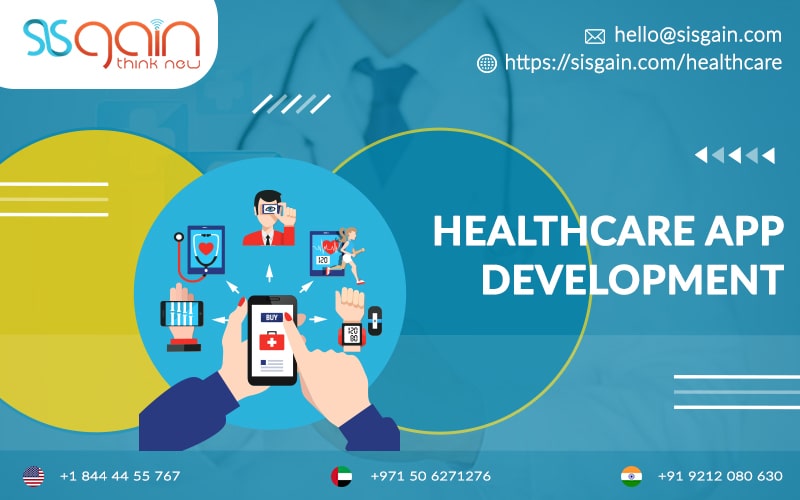
All industries are bringing in digital solutions and healthcare is not far behind.
The adaptations of mobile application creation by healthcare providers have proven to be excellent.
These applications have offered them various changes in the medical facilities and have helped in streamlining workflows.
With the help of custom medical software development, the health data collection process can be enhanced, treatment delivery can be improved, errors in medical documentation can be reduced, etc.
Healthcare mobile apps also help in improving the contact between patients and providers, give better consumer outcomes, and satisfaction rates.
The top healthcare software companies can help deliver the digital transformation anyone needs in their organization.

Data Entry India provides virtual data entry and processing services like medical, healthcare insurance claims, forms processing services related medical, healthcare industry.https://dataentryindia.co.uk/industry-served/medical-data-entry-services.html