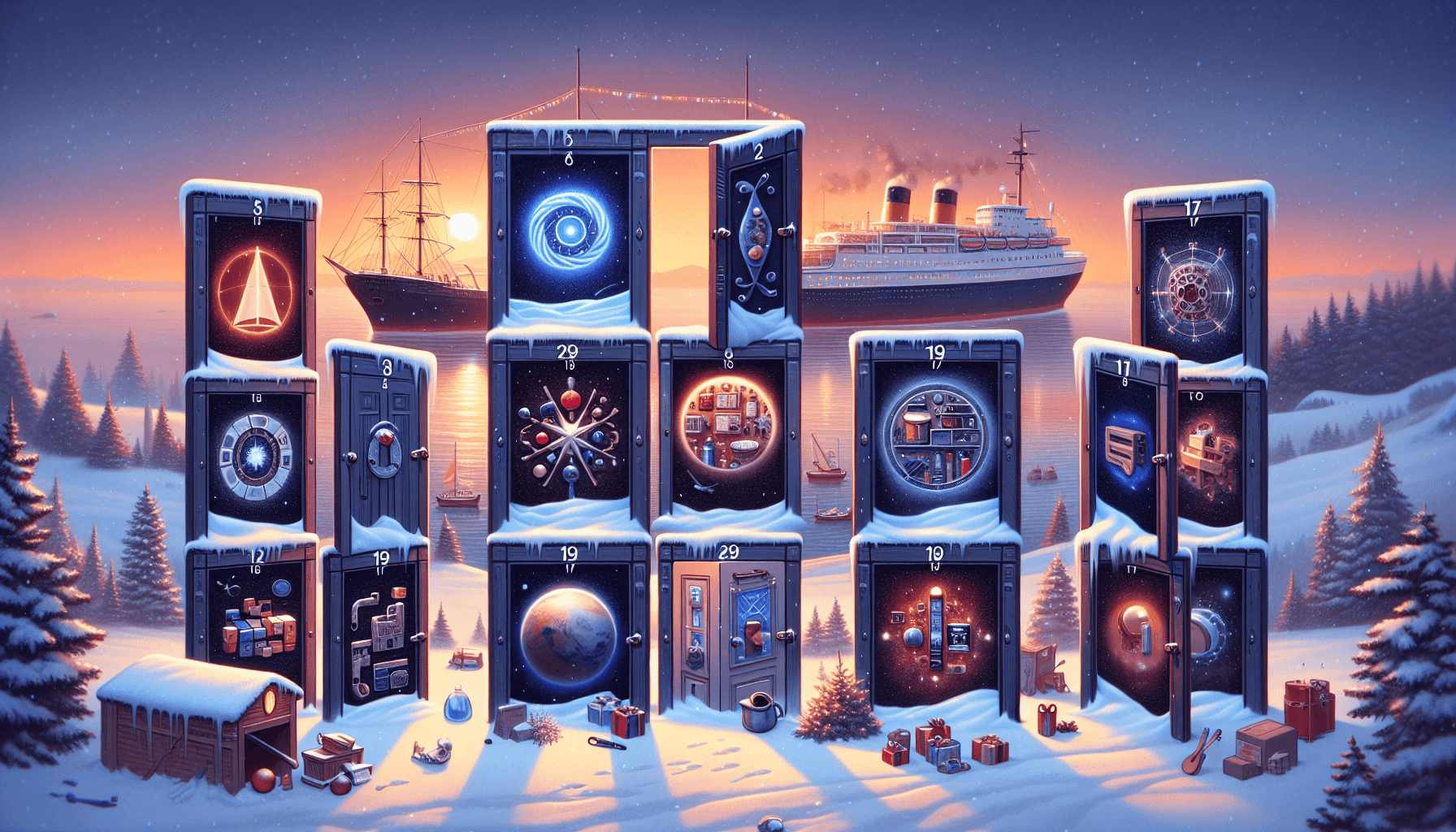
Over 12 days, from December 5 to December 16, OpenAI hosted its “12 Days of Shipmas” event, revealing a series of innovations and updates across its AI ecosystem. Here’s a summary of the key announcements and their implications:
Day 1: Full Launch of o1 Model and ChatGPT Pro
OpenAI officially launched the o1 model in its full version, offering significant improvements in accuracy (34% fewer errors) and performance. The introduction of ChatGPT Pro, priced at $200/month, gives users access to these advanced features without usage caps.
Commentary: The Pro tier targets professionals who rely heavily on AI for business-critical tasks, though the price point might limit access for smaller enterprises.
Day 2: Reinforced Fine-Tuning
OpenAI showcased its reinforced fine-tuning technique, leveraging user feedback to improve model precision. This approach promises enhanced adaptability to specific user needs.
Day 3: Sora - Text-to-Video
Sora, OpenAI’s text-to-video generator, debuted as a tool for creators. Users can input textual descriptions to generate videos, opening new doors in multimedia content production.
Commentary: While innovative, Sora’s real-world application hinges on its ability to handle complex scenes effectively.
Day 4: Canvas - Enhanced Writing and Coding Tool
Canvas emerged as an all-in-one environment for coding and content creation, offering superior editing and code-generation capabilities.
Day 5: Deep Integration with Apple Ecosystem
OpenAI announced seamless integration with Apple’s ecosystem, enhancing accessibility and user experience for iOS/macOS users.
Day 6: Improved Voice and Vision Features
Enhanced voice recognition and visual processing capabilities were unveiled, making AI interactions more intuitive and efficient.
Day 7: Projects Feature
The new “Projects” feature allows users to manage AI-powered initiatives collaboratively, streamlining workflows.
Day 8: ChatGPT with Built-in Search
Search functionality within ChatGPT enables real-time access to the latest web information, enriching its knowledge base.
Day 9: Voice Calling with ChatGPT
Voice capabilities now allow users to interact with ChatGPT via phone, providing a conversational edge to AI usage.
Day 10: WhatsApp Integration
ChatGPT’s integration with WhatsApp broadens its accessibility, making AI assistance readily available on one of the most popular messaging platforms.
Day 11: Release of o3 Model
OpenAI launched the o3 model, featuring groundbreaking reasoning capabilities. It excels in areas such as mathematics, coding, and physics, sometimes outperforming human experts.
Commentary: This leap in reasoning could redefine problem-solving across industries, though ethical and operational concerns about dependency on AI remain.
Day 12: Wrap-Up and Future Vision
The final day summarized achievements and hinted at OpenAI’s roadmap, emphasizing the dual goals of refining user experience and expanding market reach.
Reflections
OpenAI’s 12-day spree showcased impressive advancements, from multimodal AI capabilities to practical integrations. However, challenges remain. High subscription costs and potential data privacy concerns could limit adoption, especially among individual users and smaller businesses.
Additionally, as the competition in AI shifts from technical superiority to holistic user experience and ecosystem integration, OpenAI must navigate a crowded field where user satisfaction and practical usability are critical for sustained growth.
Final Thoughts: OpenAI has demonstrated its commitment to innovation, but the journey ahead will require balancing cutting-edge technology with user-centric strategies. The next phase will likely focus on scalability, affordability, and real-world problem-solving to maintain its leadership in AI.
You can see the detail here.
What are your thoughts on OpenAI’s recent developments? Share in the comments!

HighlightsA scenic drive to Chame with off-road experience.Excited trekking around Northern Annapurna massive Himalaya.Amazing wide range of flora and fauna.Explore the Buddhist monasteries and Gangapurna Lake.The unique traditional culture of Tibetan and Gurung.Explore wonderful Annapurna massif glacier and icefalls.Pass the world highest Thorong La 5,416 meters.Magnificent view of the mountain ranges as Annapurna, Dhaulagiri, and Manaslu ranges.Visit the Buddhist and Hindu temple at Muktinath.A natural hot spring at Tatopani.A day tour at Pokhara Valley.About 12 Days Annapurna Circuit TrekDo you have just 12 days to trek Around Annapurna Circuit Trek?
Don't worry we, Himalayan Frozen Adventure designed perfect 12 days Annapurna circuit trek package for limited holidays trekkers and with you have also an acclimatization day.
As this trek also knows as most challenge trekking, so before goes, you have to make your body fitness and most healthy, as trek crosses the world highest route pass Thorong La 5,416 meters.
This classic 12 days Annapurna circuit trek is an amazing journey in Himalayan, the route is surrounded by picturesque snowcapped and natural landscapes with the unique traditional culture of a local community of mountain villages Gurung and Tibetan.
This trek covers a huge range of mountains, the remotest valley of Nepal, most rugged, and tough trekking terrains in the world, creating exciting destinations for adventure trekkers to get a lifetime experience.In the Himalayan region, however arguably the most famous mesmerize and adventure trekking routes are Annapurna Circuit trek and Mount Everest Base Camp trek, both of trek take you over 5,000m and lap of world highest peaks with amazing glacier valley.
Annapurna Circuit Trek - 12 days located at north-central of Nepal, which provides a local lifestyle of mountain villages, splendid panoramas, isolated mountain communities, rugged scenery, and amazing waterfalls.