Understanding the Geothermal Drilling Rig: An Overview
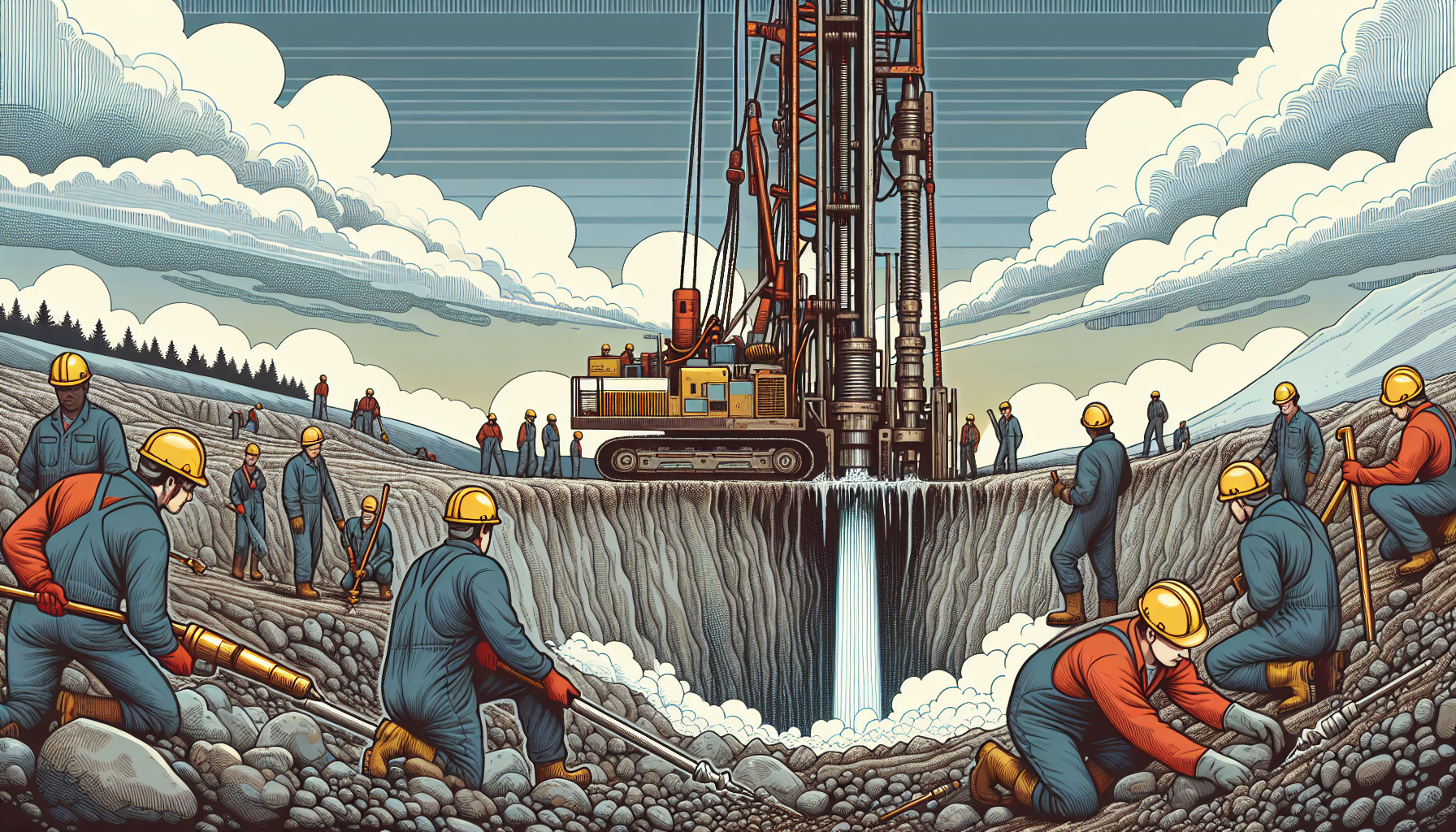
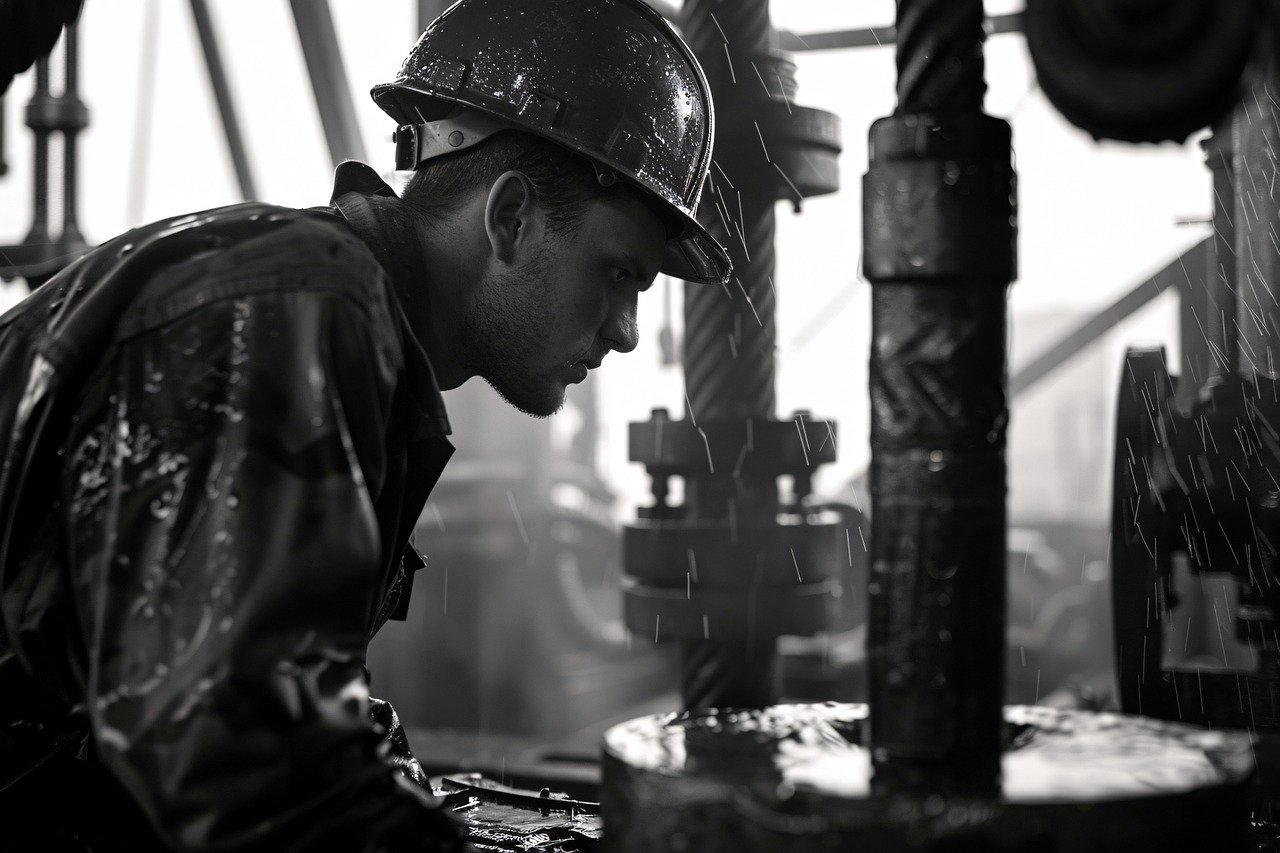
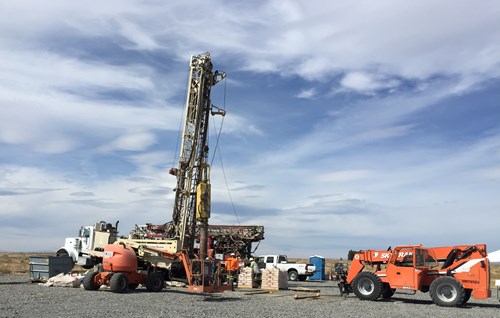
A geothermal drilling rig is a specialized piece of machinery designed to create boreholes in the Earth's surface to access geothermal energy. This energy is derived from the natural heat stored beneath the Earth's crust, which can be harnessed for various applications such as electricity generation, heating, and cooling. Geothermal drilling rigs are engineered to withstand the high temperatures and pressures encountered during the drilling process, making them distinct from conventional oil and gas drilling rigs.
The primary function of a geothermal drilling rig is to drill deep into the Earth's crust to reach geothermal reservoirs. These reservoirs contain hot water and steam that can be extracted and used to generate electricity or provide direct heating. The drilling process involves several stages, including site preparation, drilling, casing, and completion. Each stage requires specialized equipment and techniques to ensure the successful and safe extraction of geothermal energy.
One of the key advantages of geothermal energy is its sustainability. Unlike fossil fuels, geothermal energy is a renewable resource that can be continuously replenished by the Earth's natural heat. Additionally, geothermal power plants produce minimal greenhouse gas emissions, making them an environmentally friendly alternative to traditional energy sources. As a result, geothermal drilling rigs play a crucial role in the transition towards cleaner and more sustainable energy solutions.
Key Components of a Geothermal Drilling Rig
A geothermal drilling rig comprises several key components, each playing a vital role in the drilling process. Understanding these components is essential for the efficient and safe operation of the rig. The main components of a geothermal drilling rig include:
The Derrick or Mast: The Backbone of the Drilling Rig
The derrick or mast is a tall, tower-like structure that supports the drilling equipment. It provides the necessary height and stability to lift and lower the drill string into the borehole. The derrick is typically made of steel and is designed to withstand the significant forces exerted during the drilling process. It also houses the drilling rig's hoisting system, which includes the draw works, crown block, and traveling block, all of which work together to control the movement of the drill string.
The Drill String: Connecting the Surface to the Subsurface
The drill string is a series of interconnected pipes and tools that transmit the rotational force from the drilling rig to the drill bit. It consists of drill pipes, drill collars, and other specialized tools. Drill pipes are long, hollow tubes that make up the majority of the drill string, while drill collars are heavy, thick-walled pipes located near the drill bit to provide additional weight and stability. The drill string also includes various subs and joints that connect the different components and allow for the transmission of drilling fluid.
The Drill Bit: Cutting Through the Earth's Crust
The drill bit is the cutting tool at the end of the drill string that breaks through the rock and soil. There are various types of drill bits, including roller cone bits, PDC bits, and diamond bits, each designed for specific geological conditions. Roller cone bits have rotating cones with cutting teeth, making them suitable for drilling through softer formations. PDC (polycrystalline diamond compact) bits have fixed cutting surfaces made of synthetic diamond, providing excellent durability and efficiency in harder formations. Diamond bits, which use natural or synthetic diamonds, are ideal for drilling through extremely hard rock.
Mud Pumps: Circulating Drilling Fluid
Mud pumps are used to circulate drilling fluid, also known as drilling mud, through the drill string and borehole. The drilling fluid helps to cool the drill bit, remove cuttings, and stabilize the borehole walls. Mud pumps are typically reciprocating piston or plunger pumps capable of generating high pressures to ensure the continuous flow of drilling fluid. The drilling fluid also plays a crucial role in maintaining wellbore stability and preventing blowouts by balancing the formation pressures.
Rotary Table or Top Drive: Providing Rotational Force
The rotary table or top drive is the mechanism that provides the rotational force to the drill string. The rotary table is a rotating platform on the rig floor, while the top drive is a motorized device mounted on the derrick. The rotary table is driven by a Kelly bushing, which connects to the Kelly, a square or hexagonal pipe that transmits the rotational force to the drill string. The top drive, on the other hand, provides direct torque to the drill string, allowing for more efficient and flexible drilling operations, especially in directional or horizontal drilling.
Blowout Preventer (BOP): Ensuring Safety
The blowout preventer is a critical safety device installed at the wellhead to control unexpected pressure surges and prevent blowouts. It can seal the wellbore in case of an emergency. The BOP stack typically consists of multiple preventers, including ram preventers and annular preventers, each designed to close off the wellbore in different ways. Ram preventers use steel rams to seal the wellbore, while annular preventers use a rubber sealing element to close around the drill string or casing. The BOP system is operated from a remote control panel, ensuring the safety of the rig crew in case of a well control incident.
Casing and Cementing Equipment: Securing the Wellbore
Casing is a series of steel pipes that are inserted into the borehole to prevent it from collapsing and to isolate different geological formations. Cementing equipment is used to pump cement into the annular space between the casing and the borehole wall to secure the casing in place. The casing provides structural integrity to the wellbore and prevents the migration of fluids between different formations. The cementing process involves mixing cement slurry and pumping it down the casing, where it flows up the annular space and hardens to create a solid seal. This ensures the long-term stability and integrity of the well.
Control Systems: Enhancing Precision and Safety
Modern geothermal drilling rigs are equipped with advanced control systems that monitor and regulate various parameters such as pressure, temperature, and drilling speed. These systems enhance the precision and safety of the drilling operations. Control systems typically include sensors and instrumentation that provide real-time data to the rig operators, allowing them to make informed decisions and adjust the drilling parameters as needed. Automated control systems can also optimize drilling performance by adjusting the weight on bit, rotational speed, and drilling fluid flow rate based on the downhole conditions.
The Geothermal Drilling Process: Step-by-Step Guide
The geothermal drilling process involves several stages, each requiring careful planning and execution to ensure the successful extraction of geothermal energy. The main stages of the geothermal drilling process are as follows:
Site Preparation: Laying the Groundwork
The first step in the geothermal drilling process is site preparation. This involves conducting geological surveys, obtaining permits, and clearing the drilling site. Access roads and drilling pads are constructed to facilitate the movement of equipment and personnel. Geological surveys help identify the location and characteristics of the geothermal reservoir, while environmental assessments ensure that the drilling activities comply with regulatory requirements. Site preparation also includes setting up infrastructure such as water supply, power, and communication systems to support the drilling operations.
Drilling: Penetrating the Earth's Crust
The drilling stage begins with the installation of the derrick or mast and the assembly of the drill string. The drill bit is then lowered into the borehole, and the drilling process commences. The drilling fluid is circulated through the drill string to cool the drill bit and remove cuttings. The drilling continues until the desired depth is reached, which can range from a few hundred meters to several kilometers, depending on the geothermal reservoir. Throughout the drilling process, the wellbore is continuously monitored to ensure stability and prevent any issues such as wellbore collapse or blowouts.
Casing and Cementing: Stabilizing the Wellbore
Once the borehole reaches the target depth, casing pipes are inserted to stabilize the wellbore and prevent it from collapsing. The casing is then cemented in place using specialized cementing equipment. This process ensures the integrity of the wellbore and isolates different geological formations. The casing and cementing process is typically carried out in multiple stages, with each stage involving the installation of a smaller diameter casing string inside the previous one. This creates a series of nested casings that provide structural support and isolate the wellbore from the surrounding formations.
Well Completion: Preparing for Production
After casing and cementing, the well is completed by installing production equipment such as wellheads, pumps, and valves. The well is then tested to ensure it can produce geothermal fluids at the required flow rates and temperatures. Any necessary adjustments or enhancements are made to optimize the well's performance. Well completion also involves perforating the casing to create pathways for the geothermal fluids to flow into the wellbore. This is typically done using specialized perforating guns that create small holes in the casing and cement, allowing the fluids to enter the well.
Production and Monitoring: Harnessing Geothermal Energy
Once the well is completed and tested, it is ready for production. Geothermal fluids are extracted from the reservoir and transported to the surface through production wells. The extracted fluids can be used for electricity generation, direct heating, or other applications. Continuous monitoring of the well's performance is essential to ensure efficient and sustainable production. Monitoring systems track parameters such as fluid flow rate, temperature, and pressure, providing valuable data for optimizing production and maintaining the well's integrity.
Maintenance and Decommissioning: Ensuring Long-Term Performance
Geothermal wells require regular maintenance to ensure their long-term performance. This includes routine inspections, equipment servicing, and any necessary repairs. Maintenance activities may involve cleaning the wellbore, replacing worn-out components, and addressing any issues that could impact production. When a well reaches the end of its productive life, it is decommissioned and safely sealed to prevent any environmental impact. Decommissioning involves removing the production equipment, plugging the wellbore with cement, and restoring the site to its natural condition.
Environmental Considerations in Geothermal Drilling
Geothermal drilling, while environmentally friendly compared to fossil fuel extraction, still requires careful consideration of environmental impacts. The drilling process can affect local ecosystems, water resources, and air quality. To mitigate these impacts, geothermal projects must adhere to strict environmental regulations and implement best practices for sustainable development.
Environmental assessments are conducted before drilling to identify potential impacts and develop mitigation strategies. These assessments consider factors such as habitat disruption, water usage, and emissions. During drilling, measures such as using non-toxic drilling fluids, minimizing land disturbance, and managing waste are implemented to reduce the environmental footprint. Continuous monitoring ensures that any environmental issues are promptly addressed.
Advancements in Geothermal Drilling Technology
The geothermal drilling industry has seen significant advancements in technology, leading to more efficient and cost-effective operations. Innovations such as advanced drilling techniques, improved drill bits, and real-time monitoring systems have enhanced the performance and safety of geothermal drilling rigs.
One notable advancement is the development of directional drilling techniques, which allow for more precise targeting of geothermal reservoirs. This technology enables the drilling of multiple wells from a single location, reducing the environmental impact and maximizing resource extraction. Additionally, improved materials and designs for drill bits have increased their durability and efficiency, reducing downtime and operational costs.
Real-time monitoring systems provide valuable data on downhole conditions, enabling operators to make informed decisions and optimize drilling parameters. These systems use sensors and telemetry to transmit data to the surface, allowing for continuous monitoring and adjustment of drilling operations. Automated control systems further enhance efficiency by adjusting drilling parameters based on real-time data, reducing human error and improving overall performance.
The Future of Geothermal Drilling
The future of geothermal drilling looks promising, with ongoing research and development efforts aimed at further improving efficiency and reducing costs. As the demand for renewable energy grows, geothermal energy is expected to play a significant role in the global energy mix.
Emerging technologies such as enhanced geothermal systems (EGS) hold great potential for expanding the reach of geothermal energy. EGS involves creating artificial reservoirs by injecting water into hot, dry rock formations, allowing for the extraction of geothermal energy in areas where natural reservoirs are not present. This technology has the potential to significantly increase the availability of geothermal resources and make geothermal energy more accessible.
Collaboration between industry, academia, and government agencies is crucial for advancing geothermal technology and overcoming challenges. Continued investment in research and development, along with supportive policies and incentives, will drive the growth of the geothermal industry and contribute to a sustainable energy future.