When you consider how agility training impacts a dog's confidence, you're opening the door to a fascinating process that goes beyond mere physical activity. It's not just about jumping through hoops or maneuvering through tunnels; it's about problem-solving and building trust with their handler. As you guide your dog through these exercises, they start to trust their instincts and abilities. This training can transform a timid or anxious dog into a more self-assured companion. But how exactly does this transformation occur, and what specific elements of agility training contribute to such significant changes?
Understanding Agility Training Basics
Agility training is like a dance where you and your dog move in harmony through a series of obstacles. It's an engaging way to keep your dog physically active and mentally stimulated. You'll guide your dog through tunnels, over jumps, and around weave poles, all while maintaining a pace that suits both of you.
Understanding the basics of agility training starts with knowing the equipment and commands. Each piece of equipment serves a unique purpose, and mastering them requires patience and practice.
Begin by familiarizing yourself with the course layout. Walk through it without your dog first to understand the sequence and plan your moves.
Using consistent commands and body language helps your dog learn what's expected. Keep sessions short and fun to maintain enthusiasm and prevent fatigue.
Building Trust With Handlers
To build trust with your dog during agility training, focus on strengthening your communication skills.
Clear signals and consistent commands help your dog understand and respond better, enhancing cooperative interactions.
Strengthening Communication Skills
A handler's ability to communicate effectively with their dog is essential for building trust in agility training. When you convey clear instructions, your dog learns to rely on you, knowing what's expected.
Begin by using consistent commands and signals. Dogs thrive on routine, so a predictable set of cues helps them understand your expectations.
Practice makes perfect, so dedicate time to training sessions where you focus solely on communication. Use positive reinforcement, like treats or praise, when your dog responds correctly. This not only rewards your dog but also strengthens the bond between you.
Remember, patience is key. If your dog doesn't grasp a command immediately, avoid frustration and keep reinforcing the desired behavior.
Body language is important too. Dogs are highly attuned to your movements and gestures. Make sure your body language aligns with verbal cues.
For example, if you want your dog to sit, use a hand signal that complements the verbal command. Over time, your dog will learn to associate specific gestures with actions, enhancing their responsiveness.
Enhancing Cooperative Interactions
Often, the foundation of successful agility training lies in the cooperative relationship between you and your dog. Building trust with your furry friend is essential, as it sets the stage for effective learning and problem-solving. When your dog knows they can rely on you, they'll be more willing to take risks and try new challenges. You become their guide, leading them through obstacles while ensuring their safety and reinforcing positive behaviors.
Start by establishing clear, consistent communication. Use verbal cues and hand signals that your dog can easily understand. Practice patience and keep your instructions simple. Reward them promptly with praise or treats when they follow your lead. This immediate reinforcement puppy trainers strengthens your bond and encourages your dog to repeat the desired behavior.
Engage in activities that promote teamwork, like playing tug-of-war or fetch. These games require cooperation and help your dog understand that working with you leads to fun and rewards.
Regularly spending quality time together outside of formal training sessions also nurtures trust. Remember, agility training is as much about developing your partnership as it's about completing courses. With mutual trust, your dog's confidence—and yours—will flourish.
Enhancing Physical Coordination
To enhance your dog's physical coordination, focus on improving balance and stability through targeted exercises.
Developing muscle strength is essential, as it supports agility and helps prevent injuries.
Additionally, train your dog's reflexes and responses to guarantee they react swiftly during agility challenges.
Balance and Stability Improvement
Frequently, enhancing balance and stability in dogs is essential for their agility training success. When you focus on developing your dog's balance, you're helping them navigate agility courses with more confidence and precision.
Balance exercises don't just improve physical coordination; they also build your dog's mental focus.
Start with simple activities like walking your dog on different surfaces. Grass, gravel, and sand all present unique challenges that force your dog to adjust and steady themselves. You can also try balance discs or wobble boards. These tools require your dog to engage their core muscles and fine-tune their movements, promoting better stability.
Incorporate exercises like figure eights and tight turns using cones or small obstacles. These maneuvers demand quick adjustments and increased awareness of their body position, boosting their agility. Reward your dog with treats or praise to keep them motivated and engaged.
Finally, practice regularly. Consistency is key to improving balance and stability. Short, frequent sessions work best. Over time, you'll notice your dog becoming more agile and confident, ready to tackle new challenges with poise.
Muscle Strength Development
When it comes to enhancing your dog's agility, developing muscle strength is essential for improving physical coordination. Strong muscles support your dog's joints, reduce the risk of injury, and allow for smoother, more fluid movements. By focusing on muscle strength, you're also giving your dog the foundation needed to excel in various agility tasks, whether it's jumping over hurdles or weaving through poles.
To boost your dog's muscle strength, incorporate exercises that target different muscle groups. Start with simple activities like walking or jogging on varied terrains. This not only strengthens their legs but also engages their core as they navigate uneven surfaces.
Gradually introduce more challenging exercises, such as uphill sprints or resistance training using lightweight backpacks. You can also set up a mini obstacle course in your backyard. Use cones, tunnels, and small jumps to encourage your dog to use different muscles.
Keep sessions short and fun, rewarding your dog for their efforts. Remember, consistency is key. Regular, varied workouts help build muscle over time, ensuring your dog remains agile and confident. By prioritizing muscle strength development, you're laying the groundwork for your dog's agility success.
Reflex and Response Training
Quick reflexes and sharp responses are the essence of excellent agility in dogs. When you focus on reflex and response training, you're enhancing your dog's physical coordination, making them more adept at maneuvering obstacles. Start with simple exercises like playing fetch or using a lure toy. These activities encourage your dog to react quickly and adjust their movements, honing their reflexes.
Incorporate varied agility drills such as weaving through poles or jumping over small hurdles. These exercises require your dog to think fast and move precisely, boosting their confidence in their abilities.
Keep the sessions short and engaging to maintain your dog's interest and motivation. Reward them with treats or praise whenever they successfully complete a task, reinforcing positive behavior.
It's essential to gradually increase the complexity of the exercises. As your dog becomes more confident, introduce more challenging tasks, like changing directions swiftly or maneuvering different terrains.
Be patient and consistent, ensuring your dog feels supported throughout the process. By dedicating time to reflex and response training, you're not only improving their agility skills but also building a more confident, well-coordinated companion ready for any adventure.
Overcoming Obstacles and Fears
Many dogs face various obstacles and fears during agility training, but don't worry—these challenges can be overcome with patience and persistence.
Start by identifying what scares your dog. Is it the height of the A-frame or the dark tunnel? Once you pinpoint the fear, you can gradually introduce them to these elements in a controlled and supportive manner. Encourage your dog with treats and praise when they make progress, no matter how small.
It's essential to maintain a calm demeanor. Your dog senses your emotions, so if you're relaxed, they'll feel more at ease.
Break down the training into smaller, manageable steps. For instance, if a tunnel intimidates your dog, begin by encouraging them to explore it while it's short and straight. Gradually increase the length and complexity as their confidence grows.
Be patient and celebrate their victories. If they conquer a hurdle, reward them with their favorite treat or toy. Consistent positive reinforcement builds trust and motivates them to tackle more challenges.
Strengthening Problem-Solving Skills
As your dog gains confidence overcoming their fears, it's time to focus on strengthening their problem-solving skills. Agility training provides the perfect platform for this. By introducing them to new and challenging obstacles, you encourage your dog to think independently and make quick decisions.
Start with simple puzzles, like weaving through poles or finding the fastest route over a series of jumps. These activities require your dog to assess their environment and decide the best course of action. As they progress, gradually increase the complexity to keep them engaged and thinking critically.
It's important to be patient and supportive during this process. Celebrate small victories and provide guidance when needed, but allow your dog the space to learn from their mistakes. This builds their resilience and enhances their ability to tackle problems confidently.
Incorporate variety in your training sessions by changing the order of obstacles or introducing new ones. This keeps your dog on their toes and prevents boredom.
Encouraging Socialization
Socialization is an indispensable part of your dog's agility training journey, as it helps them become well-rounded and adaptable. When you expose your dog to different environments, people, and other dogs, you're preparing them for the unexpected. In agility training, they'll encounter various obstacles and situations. Socialization guarantees they remain calm and confident in these scenarios, boosting their performance.
Start by introducing your dog to new sights, sounds, and smells in a controlled manner. Take them to parks, pet-friendly stores, or organized meet-ups. This exposure helps your dog learn how to interact positively with others and handle distractions. When they're comfortable around other dogs and people, it reduces anxiety and increases focus during agility exercises.
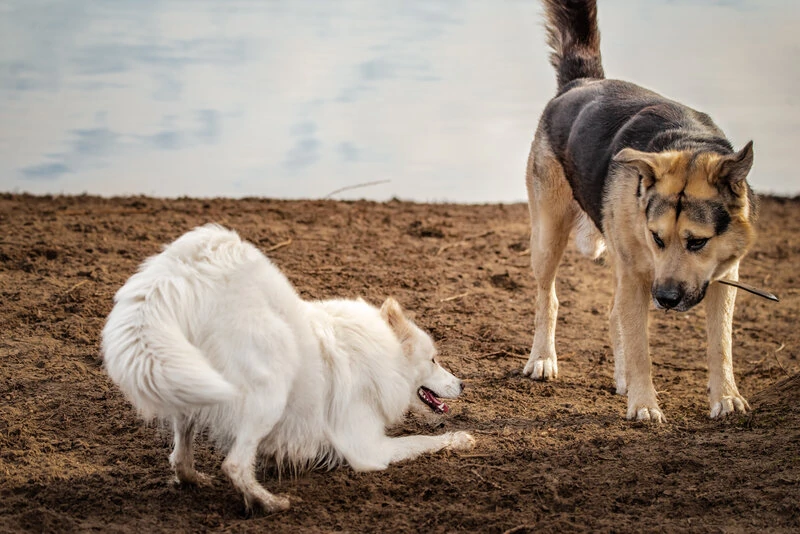
Encouraging playtime with other dogs is another great way to promote social skills. It teaches your dog important cues and body language, allowing them to better understand and communicate with their peers.
Reinforcing Positive Behavior
Positive reinforcement is the cornerstone of successful agility training for dogs. When you reward your dog for performing a task correctly, you're not just teaching them a trick; you're building their confidence and reinforcing desired behaviors.
It's essential to use treats, praise, or play as immediate rewards to help your dog associate their actions with positive outcomes. This approach motivates them to repeat the behavior, making training sessions more effective and enjoyable for both you and your dog.
Start by rewarding small victories. If your dog successfully navigates an obstacle, offer a treat or enthusiastic praise right away.
Consistency is key; always reward the behavior you want to see more of. Over time, gradually increase the complexity of the tasks, providing rewards for more challenging accomplishments.
Always make sure your dog feels successful and supported.
Observing Long-Term Confidence Gains
Over time, through consistent agility training, you'll notice your dog's confidence growing in leaps and bounds. You'll see it in the way they tackle new challenges, approach obstacles, and interact with other dogs and people.
Agility training isn't just about physical prowess; it's a mental workout that builds your dog's self-assurance and problem-solving skills.
As you continue with the training, observe how your dog holds their head higher and shows enthusiasm in their eyes. They start to anticipate the next command and execute it with precision and eagerness.
This newfound confidence often spills over into other areas of their life, whether it's exploring unfamiliar environments or dealing with everyday uncertainties.
You might find that your dog becomes more resilient when faced with stressful situations, reacting calmly instead of with fear or hesitation.
This long-term confidence gain is a proof of the benefits of agility training as it helps your dog feel more secure in their abilities.
Keep a close eye on their progress, celebrate their successes, and you'll continue to see this newfound confidence shine through in various aspects of their behavior.