





Organizations regularly seek ways to boost productivity and enhance employee performance. One effective solution gaining widespread adoption is the use of employee monitoring tools. These tools enable businesses to analyze and optimize work performance. It ensures organizational goals are met while maintaining transparency and accountability. Below, we delve into the top reasons why your organization should consider adopting employee monitoring tools.
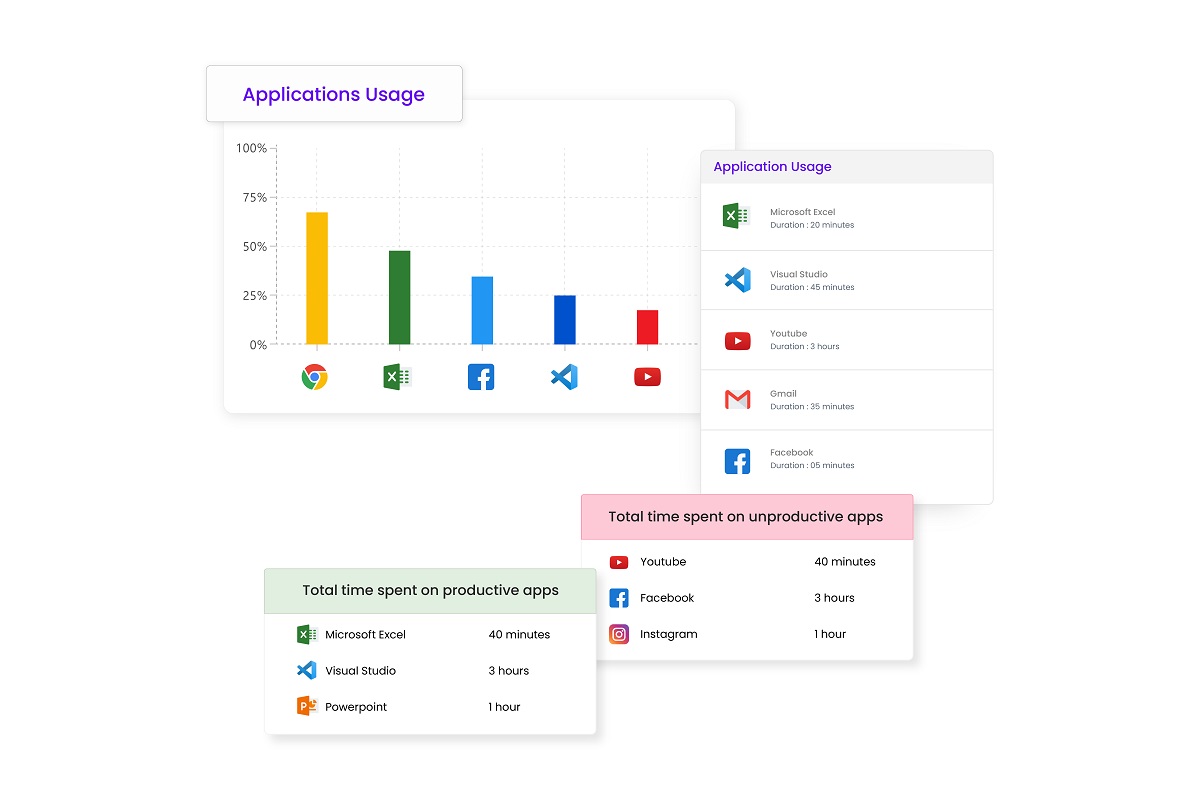
Employee monitoring tools help identify patterns that impact productivity. These include time spent on non-work-related activities or inefficient workflows. Providing real-time insights helps managers address bottlenecks and guide employees toward better time management practices. For example, a workplace monitoring software can track application usage, website visits, and task completion rates. It ensures employees stay focused on high-priority tasks, which drives organizational success.
Offering detailed insights into individual and team activities helps managers identify areas for improvement. Regular feedback based on this data promotes a culture of continuous learning and development. Employees can also use monitoring tools to track their performance metrics, which empowers them to self-assess and adjust their work strategies.
In times when cyber threats and data breaches are prevalent, safeguarding sensitive information is crucial. Employee monitoring tools play a major role in ensuring data security by detecting unusual activities or unauthorized access to confidential files. For example, monitoring software can alert IT teams to potential security risks. These include attempts to transfer company data outside approved networks. Additionally, these tools help organizations comply with industry regulations by maintaining accurate logs of employee activities, which can be vital during audits.
Monitoring tools promote transparency by clearly recording how employees use their time during work hours. When everyone is aware that their activities are being monitored, they are more likely to stay focused and adhere to company policies. Moreover, these tools ensure credit is given where it is due. High-performing employees can be recognized for their contributions, which leads to increased motivation and a sense of fairness within the organization.
With teams spread across locations, it can become challenging for managers to ensure consistent performance and collaboration. Monitoring tools bridge this gap by providing a centralized platform to track employee activities. Features like project management integrations and real-time reporting enable managers to oversee remote teams effectively. It ensures that deadlines are met and remote employees receive the same level of support and guidance as their in-office counterparts.
Monitoring tools provide valuable data that helps organizations allocate resources more efficiently. Understanding workload distribution helps managers identify overburdened employees and redistribute tasks to prevent burnout. Additionally, insights into project timelines and resource usage enable companies to forecast future needs and allocate budgets more effectively.
Bottom line
Employee monitoring tools are invaluable for enhancing productivity and ensuring security. From boosting work performance to optimizing resource allocation, these tools provide actionable insights that benefit everyone. Adopting workplace monitoring software doesn’t just streamline operations. It also empowers teams to achieve their full potential. As your business evolves, these tools will play an increasingly critical role in helping you maintain a competitive edge.




One way to measure employee productivity effectively is through questionnaires.
You can conduct interviews with your employees and ask them about their opinion regarding several aspects of your business.
From the answers that they give, you will be able to tell how productive your employees are and how you can improve the productivity of your company.
This is indeed one effective way to measure employee productivity.