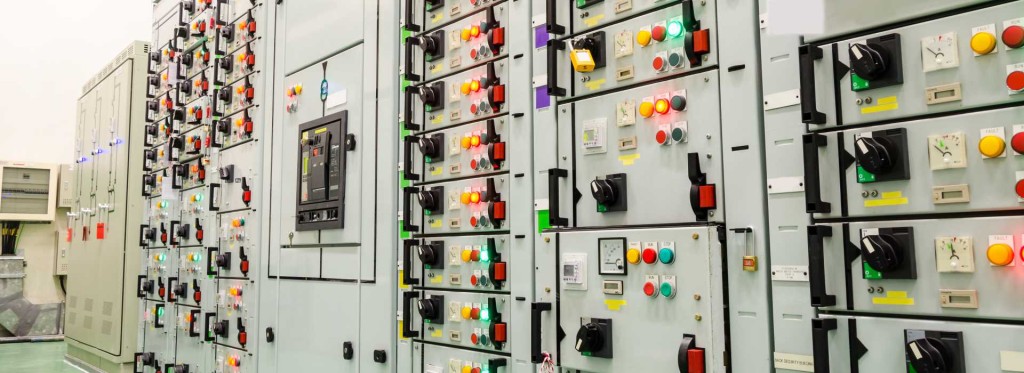
Design and Components of an Electric Control Panel The design and components of an electric control panel depend on its specific function and application.
However some common elements found in most control panels include:
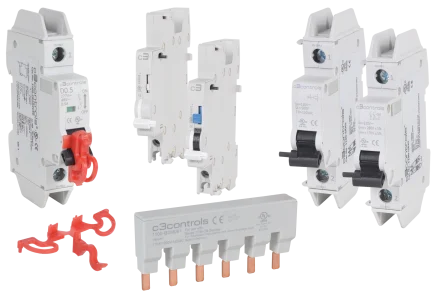
Circuit Breakers and Fuses: These devices protect circuits and equipment from short circuits and electrical overloads.
Power Distribution Blocks: These provide connection points to distribute incoming power to various loads and components within the panel.
Selector Switches: Switches allow remote or manual selection of circuits, speeds, reversing of equipment etc.
Push Buttons and Pilot Lights: Buttons enable manual start/stop control of equipment while pilot lights indicate equipment status.
Contactors and Relays: These electrically powered switches control larger electrical loads and extend control signals over distances.
Temperature, Pressure and Flow Sensors: Sensors monitor process parameters and provide feedback signals to controllers.
Timers and Counters: Timers control sequences and provide time delays while counters track machine cycles.
Control Transformers, Motors and Motors Starters: Motors run equipment while starters control motor speeds. Transformers provide necessary control voltages. Display Screens: Screens on HMIs/PLCs show operating parameters, fault codes, historical data etc. for onsite monitoring.
Terminal Blocks: Blocks ensure secure connections between panel components and field wiring entering/leaving the panel.
In industrial automation, an Electric Control Panel is a system that manages the operation of automated machinery, incorporating programmable logic controllers (PLCs) and other interfaces for seamless process control.
Primary Functions of an Electric Control Panel Electric Control Panels are specifically designed to serve vital functions in industrial automation and processes. Some of the primary functions of control panels include:
Power Distribution: Distribute electric power from one or more sources safely to attached machinery and equipment loads.
Motor Control: Enable starting, stopping and regulating speed of electric motors that drive pumps, fans, conveyors and other rotating equipment.
Monitoring and Indication: Track measurement parameters, display operating status, fault conditions via instruments, lights, alarms, HMIs etc.
Automatic Control: Regulate processes and synchronize sequences through use of controllers, PLCs, relays and control devices based on sensor feedback.
Personnel Safety: Protect operators and equipment through safety features like emergency stop buttons, protective enclosures, lockable doors.
Remote
Access: Allow remote monitoring and control through connectivity options like HMIs, SCADA systems, network cabling, gateways etc.
Energy Efficiency: Enable functions like logic-based control, soft-starts, sleep modes to optimize energy usage in industrial operations.
Applications of Electric Control Panels Given their versatility, electric control panels find use across many industrial sectors and application areas: Manufacturing Plants: Automate assembly lines, production processes in industries like automotive, food processing, pharmaceuticals etc.
Infrastructure: Control operations in buildings - pumping stations, HVAC systems, lifts, lighting, fire alarms etc.
Water and Wastewater Treatment Plants: Monitor and regulate treatment procedures like filtration, disinfection in water utilities.
Oil and Gas Industries: Automate offshore rig operations, pipeline monitoring in petrochemical facilities.
Power Generation: Control generation, transmission equipment in thermal and hydro power plants.
Mining: Automate mineral extraction and material handling equipment in open-pit and underground mines.
Material Handling: Control industrial machinery used for conveying, stacking, packaging goods in warehouses, ports.
Customization of Electric Control Panels To meet a variety of industrial automation requirements, control panels can be customized with features like: Enclosure Sizes: Wall-mounting, freestanding, compact/modular or large-sized panel designs
HMI Selection: Panel-mount HMIs, touchscreen workstations for convenient operator interfacing
Networking Options: Integration over fieldbuses, Ethernet, wireless LANs for remote connectivity
Protection Rating: Dust/water-proof panels rated IP54 and above for harsh environments
Mounting Accessories: Din-rail, panel-mount components, special terminal blocks for analogue I/O
Certifications: Intrinsic safety approvals to allow use in hazardous, explosive areas
Documentation: As-built schematics, manuals, test reports to equipment standards like CE, UL With decades of experience in industrial automation sector, control panel system integrators configure customized solutions integrated with appropriate PLCs, drives, HMIs and software as per specific process and machinery requirements. Their value-added services help engineers and plant managers design effective control systems for optimizing industrial operations.
Get More Insights On - Electric Control Panel
Pick the language that you prefer –
About Author:
Priya Pandey is a dynamic and passionate editor with over three years of expertise in content editing and proofreading. Holding a bachelor's degree in biotechnology, Priya has a knack for making the content engaging. Her diverse portfolio includes editing documents across different industries, including food and beverages, information and technology, healthcare, chemical and materials, etc. Priya's meticulous attention to detail and commitment to excellence make her an invaluable asset in the world of content creation and refinement.
(LinkedIn- https://www.linkedin.com/in/priya-pandey-8417a8173/)