

In the commercial construction industry, successful project management is essential to completing projects on time, within budget, and to the highest quality standards. With projects growing in complexity, size, and scope, relying on traditional methods to manage tasks, budgets, timelines, and communication is no longer enough. Today, leveraging construction project management software is crucial for improving efficiency, enhancing collaboration, and ensuring all aspects of the project are managed effectively. In this article, we explore the features and benefits of construction project management platforms that can help streamline operations, enhance productivity, and boost profitability in construction projects. Stay till the end to know everything associated with the software and improve the workflow and staff efficiency.
Comprehensive Project Planning and Scheduling
Effective scheduling is vital in commercial construction, where even minor delays can lead to significant cost overruns. The best construction project management software provides a centralized platform for creating detailed project timelines, allocating resources, tracking progress, and adjusting schedules in real-time. It also allows you to keep track of task dependencies, ensuring that deadlines are met, and that the project runs smoothly without conflicts or inefficiencies.
By using these tools, project managers can minimize the risks of delays and better control the flow of the project. The ability to visualize the entire schedule with tools like Gantt charts allows for greater clarity, enabling teams to prioritize tasks and allocate resources efficiently.
Document Management and Collaboration
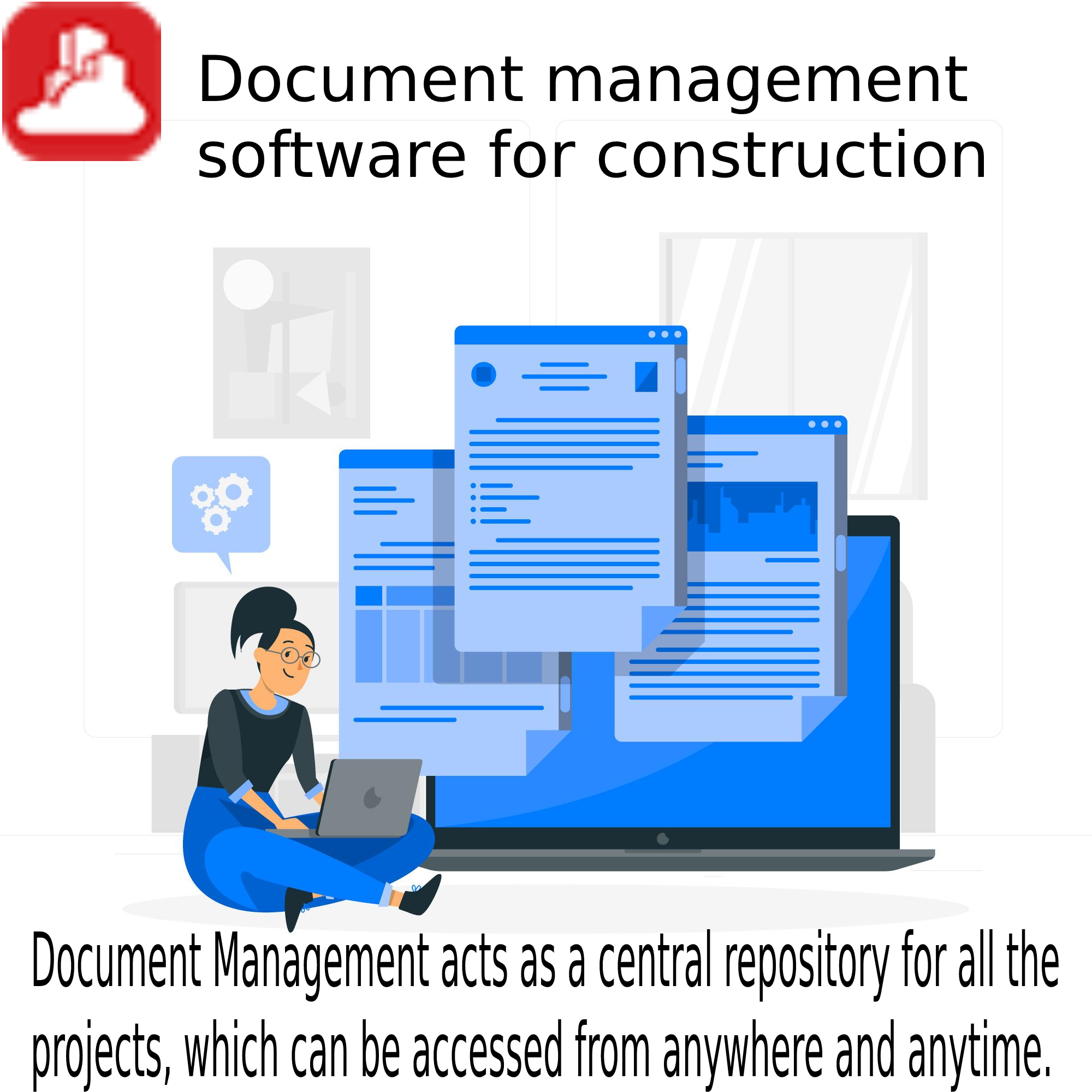
Managing construction documents, such as blueprints, contracts, and change orders, is a critical part of any commercial construction project. Construction project management software centralizes document storage, making it easier for teams to access and share important files in real-time. This minimizes the risk of miscommunication, errors, and lost documents.
With cloud-based solutions, all project stakeholders— from contractors and subcontractors to architects and owners— can access up-to-date documents at any time, from anywhere. This reduces delays caused by outdated or missing paperwork and helps improve the overall workflow of the project.
Budgeting and Cost Control
Staying on budget is one of the biggest challenges in commercial construction. Project management software helps you track expenses in real-time, compare actual costs with forecasts, and maintain a clear overview of the project’s financial status. These tools help you manage budgets effectively, keeping track of costs at every stage, from the initial estimates to the final payment.
By providing a clear view of project finances, software solutions allow project managers to identify cost overruns early, make necessary adjustments, and ensure that the project remains on budget. This ability to monitor and control costs is critical for preventing financial issues and improving profitability.
Resource and Workforce Management
Managing human resources and materials efficiently is crucial for ensuring that a project is completed on time and without unnecessary delays. Commercial construction project management software allows for easy allocation of tasks to workers, tracks time spent on tasks, and helps monitor labor costs. It also provides tools for managing the supply chain, from tracking material orders and deliveries to monitoring equipment usage and maintenance.
This functionality reduces the risk of shortages, wasted materials, or underutilized resources, ensuring that the right resources are available when needed, without unnecessary downtime or delays. The software also enables you to track worker productivity, helping identify areas for improvement and optimizing labor costs.
Risk and Compliance Management
Construction projects are inherently risky, with a wide range of potential challenges, including regulatory compliance, safety protocols, and project delays. Good project management software helps mitigate risks by tracking compliance with safety standards, managing permits, and ensuring that all work is carried out according to local regulations. It also helps identify potential risks, such as delays or material shortages, allowing managers to take preemptive action.
By monitoring all aspects of risk and compliance, software tools enable managers to stay on top of regulatory changes and avoid costly legal issues. They also help ensure that safety standards are met, creating a safer working environment and reducing the likelihood of accidents or costly liabilities.
Conclusion
The commercial construction industry is growing in complexity, and successful project management is more important than ever. By implementing the right construction project management software, companies can streamline their processes, reduce inefficiencies, and ensure that projects are completed on time and within budget. From budget tracking to resource management, document sharing, and risk mitigation, these tools provide the features needed to improve collaboration, reduce errors, and optimize project workflows.
Investing in the right software for managing your construction projects is essential for achieving better outcomes, improving communication, and boosting overall productivity. As the industry continues to embrace digital solutions, going for customized software development services for construction project management software will play an even more crucial role in the success of commercial construction projects. Choose the services wisely and start moving forward with the robust solutions.