History of Forging Some of the earliest records of forging date back to ancient Egypt and Mesopotamia over 5,000 years ago. Primitive cultures soon discovered that heating metals made them easier to shape using stone hammers and anvils. Forging eventually evolved into a sophisticated craft in many ancient civilizations. The Romans were renowned metal smiths who developed forging methods still used today. Throughout the Middle Ages, blacksmiths forged tools, weapons and other necessary goods by hand in small shops across Europe. Industrialization allowed forging operations to scale up significantly in the 19th century with steam hammers and mechanized presses. Today's automated forging techniques bear little resemblance to the manual methods of antiquity other than the foundational principles.
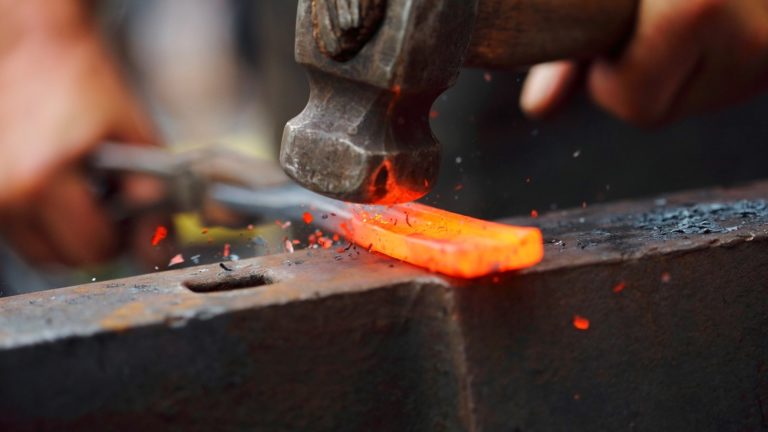
Forging Process Modern Forging generally involves three main steps - preforming, finishing and trimming. Preforming shapes the heated raw material into a rough approximation of the desired shape using big presses or hammers. Finishing further shapes and refines the piece through additional pressing or hammering. Finally, trimming cuts off excess flash and burrs left from the forming process. computer-controlled forging machines now automate many steps but the fundamental concept remains the same. Metalworkers heat specialized furnaces or heating coils to heat the metal above its recrystallization temperature, softening its internal crystal structure. Rollers or presses then form the heated material between dies with the opposite shape intended. Large presses may apply forces up to 200,000 tons to precisely shape the metal. Repeated hammer blows or presses gradually compact and work-harden the material into the exact size and contours specified. Computer Numerical Control has automated material handling and die operation to achieve repeatable results. Forging produces a finished part near-net shape, reducing subsequent machining needs.
Advantages of Forging There are many positive reasons why forging has long been a mainstay metalworking process. First, forged parts exhibit superior mechanical properties compared to cast or machined equivalents. The compression forces align and densify the internal crystalline structure, resulting in high strength-to-weight ratios. Forged metals also resist fatigue, impact loads and cracking better than alternative fabrication methods. Another key advantage is tight dimensional tolerances - near-net forged pieces require less expensive secondary machining.
The process also develops metal's natural grain flow to reinforce high-stress areas. This grain control gives forged components formidable strength even at reduced wall thicknesses. Lastly, closed-die forging produces complex, intricately-shaped parts in a single operation compared to multi-step alternative fabrication. These inherent performance benefits explain why forging remains prevalent in critical high-integrity applications.
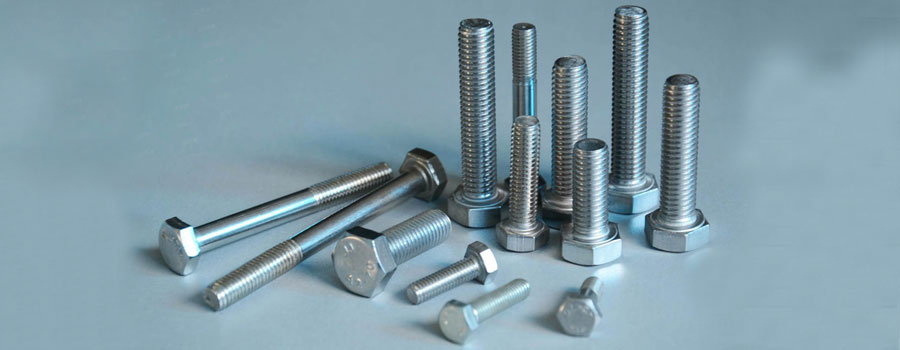
Applications of Forging Given its strength and manufacturability advantages, forging is extensively employed across many vital industries. Automotive is a massive user, with driveline and powertrain components like crankshafts, connecting rods, gears and axles commonly forged for reliability under heavy loads. Military hardware like armored vehicles, artillery shells and weapon components also leverage the process. Forging plays a leading role in heavy machinery manufacturing, producing robust structural elements and fasteners able to withstand repetitive stresses.
Oil drilling and refining equipment utilize forged parts to operate under extreme pressures and impacts. Forged metals are even used structurally in infrastructure projects like bridges and buildings. Medical implants also utilize biocompatible alloys shaped through forging to guarantee long-term performance inside the human body. These diverse, strategically important applications exemplify why forging remains a foremost metalworking technique globally.
Get More Insights On Forging
About Author
Alice Mutum is a seasoned senior content editor at Coherent Market Insights, leveraging extensive expertise gained from her previous role as a content writer. With seven years in content development, Alice masterfully employs SEO best practices and cutting-edge digital marketing strategies to craft high-ranking, impactful content. As an editor, she meticulously ensures flawless grammar and punctuation, precise data accuracy, and perfect alignment with audience needs in every research report. Alice's dedication to excellence and her strategic approach to content make her an invaluable asset in the world of market insights.
(LinkedIn: www.linkedin.com/in/alice-mutum-3b247b137 )