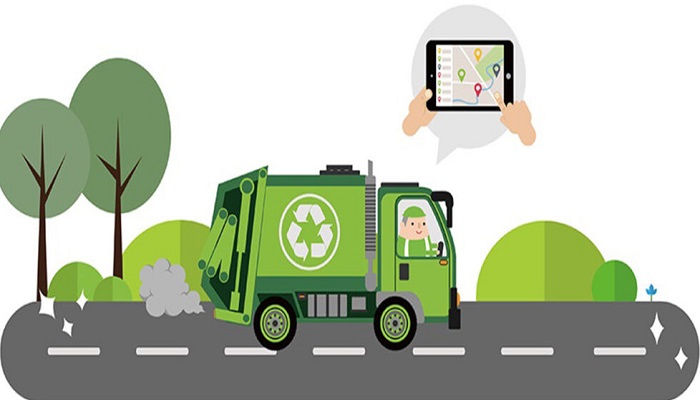
In today’s world, managing waste responsibly is no longer optional—it is a moral, social, and environmental imperative. With increasing concerns about pollution, climate change, and sustainability, efficient household waste collection plays a pivotal role in building cleaner and greener communities. This blog explores the importance of proper waste management, the challenges households face, and the ways in which effective waste collection services can transform our environment for the better.
Household Waste Collection: A Guide to Cleaner Communities
Understanding Household Waste Collection
Household waste collection is the process of gathering, transporting, and disposing of domestic refuse in a safe and environmentally friendly manner. It involves the segregation of recyclable, compostable, and non-recyclable waste to minimise landfill use and maximise resource recovery. Local councils, private waste collection companies, and community initiatives often work in tandem to ensure that households can easily dispose of their waste responsibly.
In the UK, waste collection services are typically provided by local authorities, with variations in frequency, cost, and policies depending on the region. However, private services are becoming increasingly popular due to their flexibility and tailored solutions, particularly for bulky waste or items not covered by council collections.
Why Is Household Waste Collection Important?
The impact of waste mismanagement cannot be overstated. Poorly handled waste contributes to pollution, spreads diseases, and endangers wildlife. Proper household waste collection helps to:
- Reduce Pollution: Ensuring that waste is collected regularly prevents harmful materials from contaminating soil, air, and water sources.
- Encourage Recycling: Segregated waste collection promotes the recycling of materials such as paper, glass, plastics, and metals, reducing the demand for raw resources.
- Protect Public Health: Proper disposal minimises the risks associated with vermin, odours, and pathogens.
- Mitigate Climate Change: By reducing the amount of waste sent to landfills, household collections help to lower methane emissions and conserve energy.
Household Waste Collection: A Guide to Cleaner Communities
Challenges in Household Waste Collection
Despite its importance, there are several challenges associated with household waste collection in the UK:
- Inconsistent Services: Depending on your location, the frequency and type of collection services can vary widely. Some councils offer weekly general waste pickups, while others operate fortnightly schedules.
- Lack of Awareness: Many households are unsure about what items can be recycled or how to segregate their waste properly. This leads to contamination in recycling streams, reducing efficiency.
- Bulky and Hazardous Waste: Items like old furniture, electronics, and chemicals often require special disposal methods that are not included in standard collection services.
- Rising Costs: While council services are funded through taxes, many families opt for private collection services for added convenience. However, these services can be expensive, particularly for one-off pickups.
How to Optimise Household Waste Collection
If you want to make your waste management efforts more efficient and sustainable, consider the following tips:
1. Understand Your Local Services
Start by familiarising yourself with your local council’s waste collection schedule and guidelines. Most councils in the UK provide online resources detailing what can and cannot be recycled, collection days, and options for bulky waste.
2. Segregate Your Waste
Separating your waste into recyclables, compostables, and general refuse makes it easier for collection services to process. Use clearly labelled bins and ensure that items like glass bottles, cardboard, and food waste are placed in their designated containers.
3. Consider Private Collection Services
Private companies can complement council services by offering tailored solutions for large or specialised waste disposal needs. For instance, services like bulky waste collection or same-day pickups are often more efficient through private providers.
4. Reduce Waste at the Source
Minimise your household waste by adopting sustainable habits, such as buying products with minimal packaging, composting organic waste, and reusing materials where possible. The less waste you generate, the easier it is to manage.
The Role of Technology in Waste Collection
Modern technology has revolutionised the way household waste collection is managed. Smart bins equipped with sensors can alert collection teams when they are full, reducing unnecessary pickups and saving fuel. Similarly, mobile apps allow residents to schedule collections, report missed pickups, or access recycling tips with ease.
For instance, some UK councils have introduced digital platforms where households can track their recycling performance and earn rewards for sustainable practices. These innovations not only improve efficiency but also encourage greater public participation in waste management efforts.
Choosing the Right Waste Collection Service
When selecting a waste collection service—whether council-operated or private—it’s essential to consider:
- Reliability: Look for a provider with consistent and punctual services.
- Eco-Friendliness: Opt for companies that prioritise recycling and sustainable practices.
- Cost-Effectiveness: Compare prices and services to find the best value for money.
- Flexibility: Ensure that the service can cater to your specific needs, such as bulky item collection or hazardous waste disposal.
The Bigger Picture: Building a Sustainable Future
Efficient household waste collection is not just about keeping our homes clean—it’s about protecting the planet for future generations. Every small effort contributes to a larger movement towards sustainability. By participating in waste reduction and segregation initiatives, we can:
- Reduce the strain on landfills.
- Conserve natural resources.
- Support the circular economy, where waste materials are reused and recycled into new products.
Household Waste Collection: A Guide to Cleaner Communities
Final Thoughts
Effective household waste collection is a cornerstone of modern waste management systems. It empowers communities to manage their refuse responsibly, reduces environmental harm, and promotes sustainable living. Whether you’re relying on your local council or exploring private services, taking the time to understand and optimise your waste collection practices is a vital step towards a cleaner, healthier future.
Together, we can make a difference. By embracing the principles of waste reduction, recycling, and responsible disposal, we ensure that our homes and neighbourhoods remain places we can be proud of—not just for today but for generations to come.