


When it comes to vehicle maintenance, tyre replacement is often an overlooked yet critical aspect. Often, drivers tend to delay replacing worn-out tyres until it’s too late, but this decision can have significant consequences. Not only can it affect the safety of the driver, passengers, and other road users, but it can also impact the vehicle's performance and fuel efficiency. In this blog, we’ll explore why timely tyre replacement is essential, the risks of neglecting it, and how it contributes to a smoother, safer driving experience.
Tyre Replacement: Ensuring Safety and Performance on the Road
The Importance of Tyre Replacement
Your tyres are the only part of your vehicle that makes direct contact with the road. As such, they play a crucial role in ensuring traction, handling, and overall stability. Tyres that are worn, damaged, or incorrectly inflated can severely compromise your vehicle's handling and braking abilities. For these reasons, tyre replacement isn’t just a matter of convenience; it’s a matter of safety.
1. Enhanced Safety and Road Grip
The tread on a tyre is specifically designed to grip the road, channel water away, and maintain control during different weather conditions. Over time, however, the tread wears down, reducing its ability to perform these vital functions. As the tread depth decreases, tyres become less effective in wet conditions, increasing the risk of hydroplaning.
Driving on bald tyres is particularly dangerous, as they cannot maintain proper traction on wet or slippery surfaces. In emergencies, such as sudden braking or swerving to avoid an obstacle, the lack of grip could lead to an accident. Therefore, replacing your tyres before they reach the legal minimum tread depth of 1.6mm is essential for your safety.
2. Improved Vehicle Performance
Worn tyres not only compromise safety but can also affect your vehicle’s overall performance. As tyres lose their tread, they may cause vibrations, increase road noise, and result in uneven wear, leading to poor handling. This can make your driving experience less comfortable and more stressful.
When tyres are replaced, it restores optimal road contact, contributing to better acceleration, braking, and cornering. Tyre replacement also ensures that your car’s suspension system, steering, and alignment remain in good condition, preventing premature wear of other components. A smooth, well-maintained ride is not just a matter of comfort—it can make all the difference in an emergency situation.
3. Maximising Fuel Efficiency
Many drivers overlook the link between tyres and fuel efficiency. Under-inflated or worn tyres increase rolling resistance, which means your engine has to work harder to maintain speed. This additional strain on your vehicle can lead to higher fuel consumption, resulting in more frequent trips to the petrol station.
By ensuring that your tyres are in good condition and replacing them when necessary, you’ll not only enhance safety but also improve your vehicle’s fuel economy. This will save you money in the long term and contribute to a more eco-friendly driving experience.
Tyre Replacement: Ensuring Safety and Performance on the Road
When Should You Replace Your Tyres?
Knowing when to replace your tyres can sometimes be challenging. However, there are several signs to look out for:
1. Tread Wear
As mentioned earlier, the tread depth of your tyres is critical for safe driving. You can easily measure this using a tread depth gauge or by performing the "penny test." Insert a 1p coin into the tread; if the outer band of the coin is visible, it means the tread is too low and it’s time for a tyre replacement.
2. Cracking and Bulges
Tyres with visible cracks or bulges indicate that the structural integrity of the tyre has been compromised. These imperfections can lead to tyre blowouts, particularly at high speeds, posing a serious safety risk. If you notice any such signs, it’s essential to replace the tyre immediately.
3. Uneven Wear
Uneven wear can occur due to misalignment, unbalanced wheels, or poor tyre pressure. If one part of the tyre is more worn than another, it may cause vibrations, poor handling, and a less comfortable driving experience. Having the tyre replaced will restore balance to your vehicle, improving handling and comfort.
4. Age of the Tyres
Tyres should be replaced every six years, even if they have not experienced significant wear. Over time, the rubber in the tyres can degrade due to exposure to sunlight, air, and moisture. Even if your tyres appear to be in good condition, ageing tyres may be more prone to failure.
Tyre Replacement: Ensuring Safety and Performance on the Road
Choosing the Right Tyre for Replacement
Not all tyres are created equal, and selecting the right replacement is crucial for optimal performance. Tyres come in different types, including summer, winter, all-season, and performance tyres. When choosing a replacement, consider the following factors:
- Vehicle Type: The type of vehicle you drive will dictate the kind of tyres it needs. For example, high-performance vehicles require tyres designed for speed and handling, while off-road vehicles need tyres with deeper treads for better grip on rough terrains.
- Weather Conditions: If you live in an area that experiences harsh winters, investing in quality winter tyres is a wise choice. Similarly, if you experience wet or rainy weather frequently, tyres designed for wet conditions will improve safety.
- Driving Style: Your driving habits will also influence the type of tyre you should choose. If you enjoy driving at high speeds, performance tyres with enhanced grip and handling will provide better control.
The Benefits of Professional Tyre Replacement
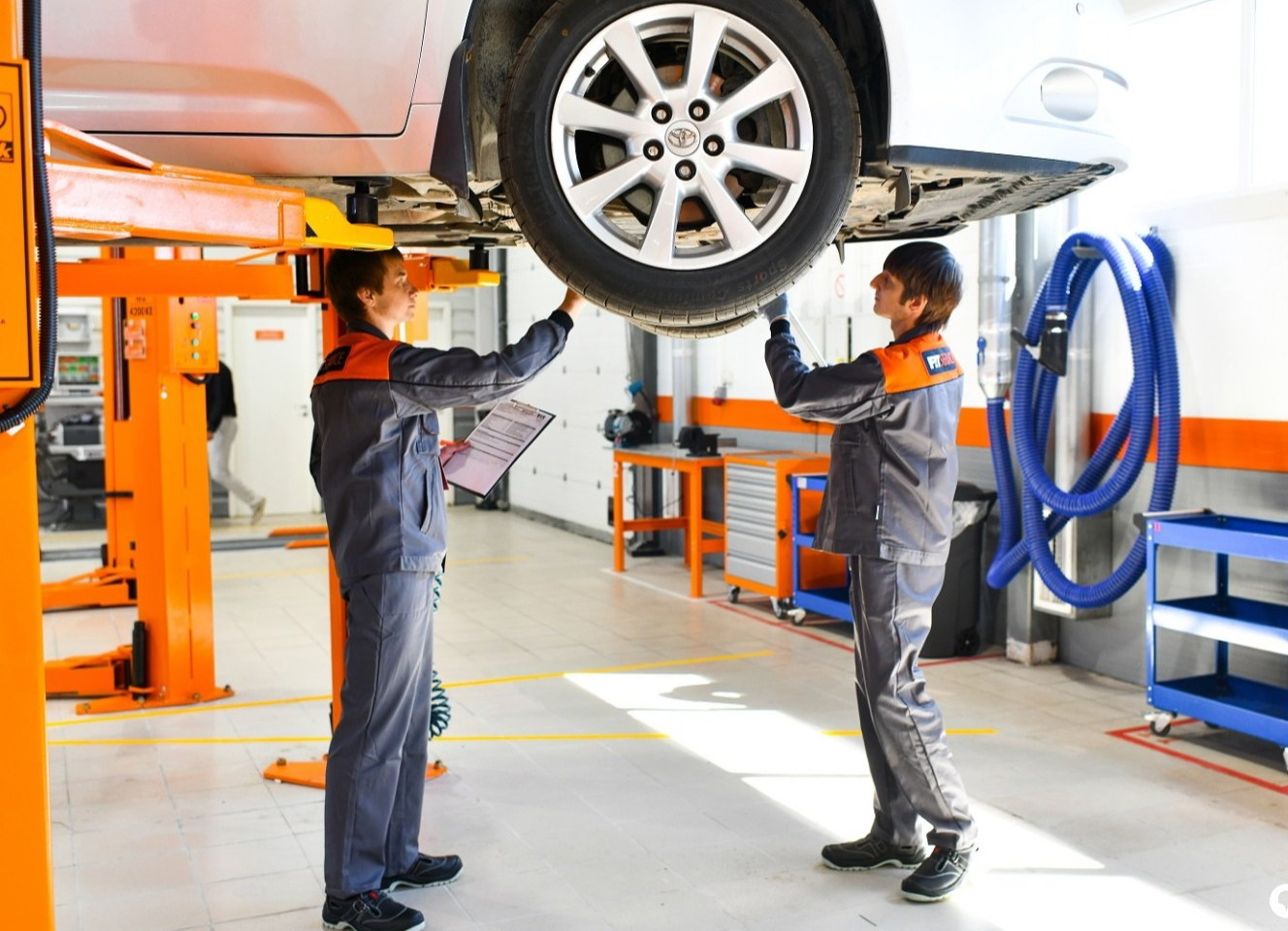
While it may be tempting to replace your tyres yourself, it’s always best to leave it to the professionals. A professional tyre fitting service ensures that the tyres are mounted correctly, and that the right tyre pressure is maintained. A specialist can also inspect your vehicle’s alignment, suspension, and brakes, identifying any potential issues that could affect your driving experience.
Tyre Replacement: Ensuring Safety and Performance on the Road
Conclusion
Tyre replacement is a critical aspect of vehicle maintenance that directly impacts your safety, comfort, and fuel efficiency. Replacing worn or damaged tyres before they cause serious problems ensures that your vehicle performs at its best, providing you with the confidence and peace of mind needed to navigate the roads safely. Always prioritise tyre replacement when needed, and consult with experts to choose the right tyres for your vehicle.
Driving with tyres in poor condition is a risk you can’t afford to take. Ensure that your tyres are always in optimal condition, and your vehicle will reward you with better performance, reduced fuel consumption, and enhanced safety. Don’t delay—invest in tyre replacement today for a safer tomorrow.

Melbourne Scooters is offering scooter tyre replacement in Melbourne with the same day or next day fitting for your convenience.
We carry a large amount of stock for faster service.