Photo retouching plays a vital role in the magazine industry, transforming raw images into polished, attention-grabbing visuals. From cover shoots to editorial spreads, every image undergoes meticulous editing to meet the high standards of publication. Let’s dive into the fascinating world of image retouching services and explore how this craft elevates photography.
The Purpose of Photo Retouching: Why Magazines Rely on It
Enhancing Visual Appeal
Magazines are visually-driven media. High-quality, visually appealing images capture the audience's attention and reinforce a brand’s identity. Retouching ensures every photo aligns with the magazine’s aesthetic, whether it’s a vibrant fashion shoot or a minimalist lifestyle spread.
For example, blemishes, wrinkles, and stray hairs are often removed during retouching to present models and subjects in their best light. This creates an aspirational quality that resonates with readers.
Ensuring Consistency
Consistency is key in any professional publication. Photo retouching helps maintain uniformity in lighting, colors, and tones across a series of images. Editors strive for a cohesive look to enhance the reader's experience and uphold the magazine’s brand identity.
For instance, if an editorial shoot has varying exposures due to changing light conditions, retouching corrects these discrepancies, resulting in a seamless presentation.

Tools of the Trade: Software and Techniques
Industry-Standard Software
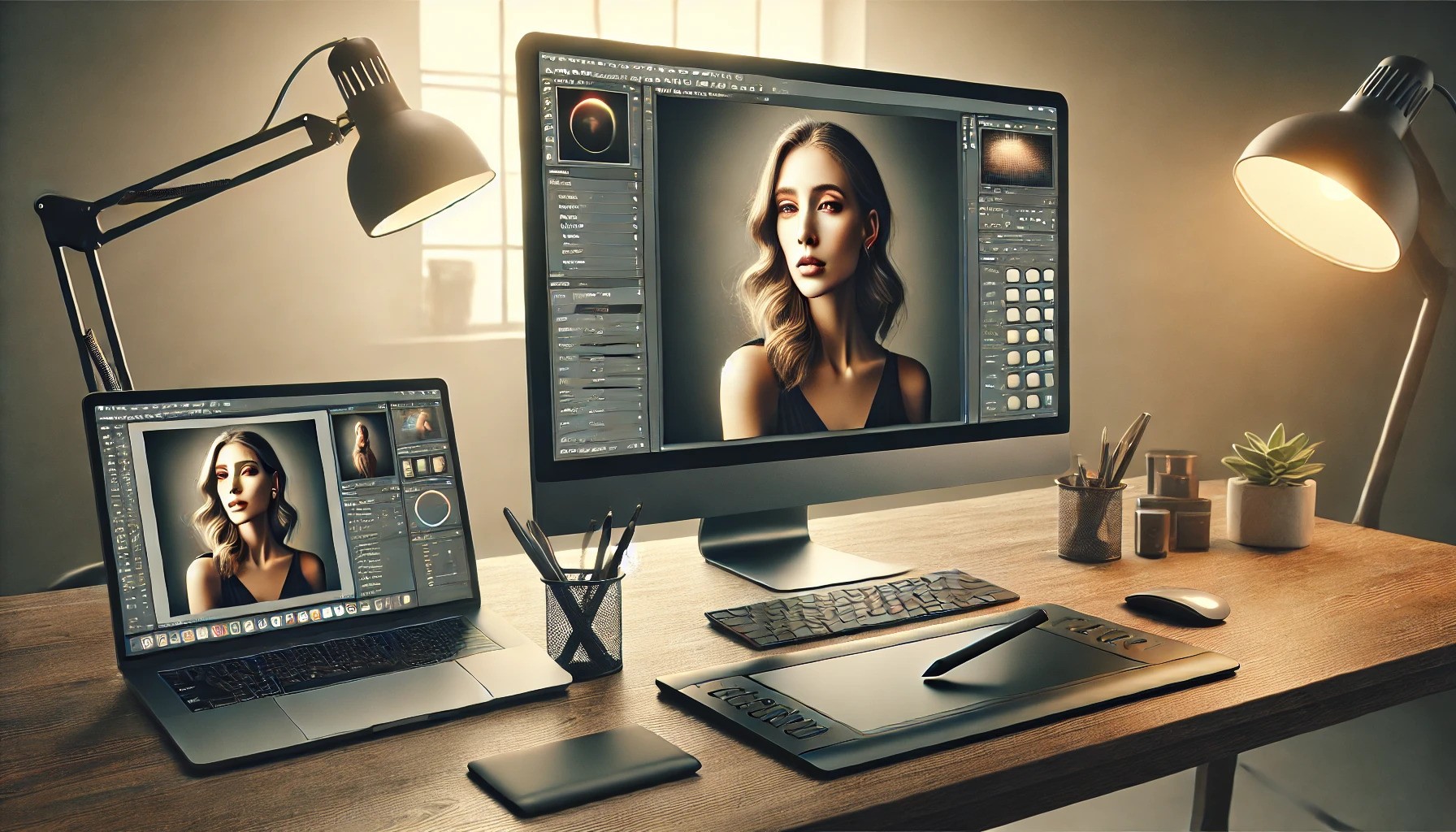
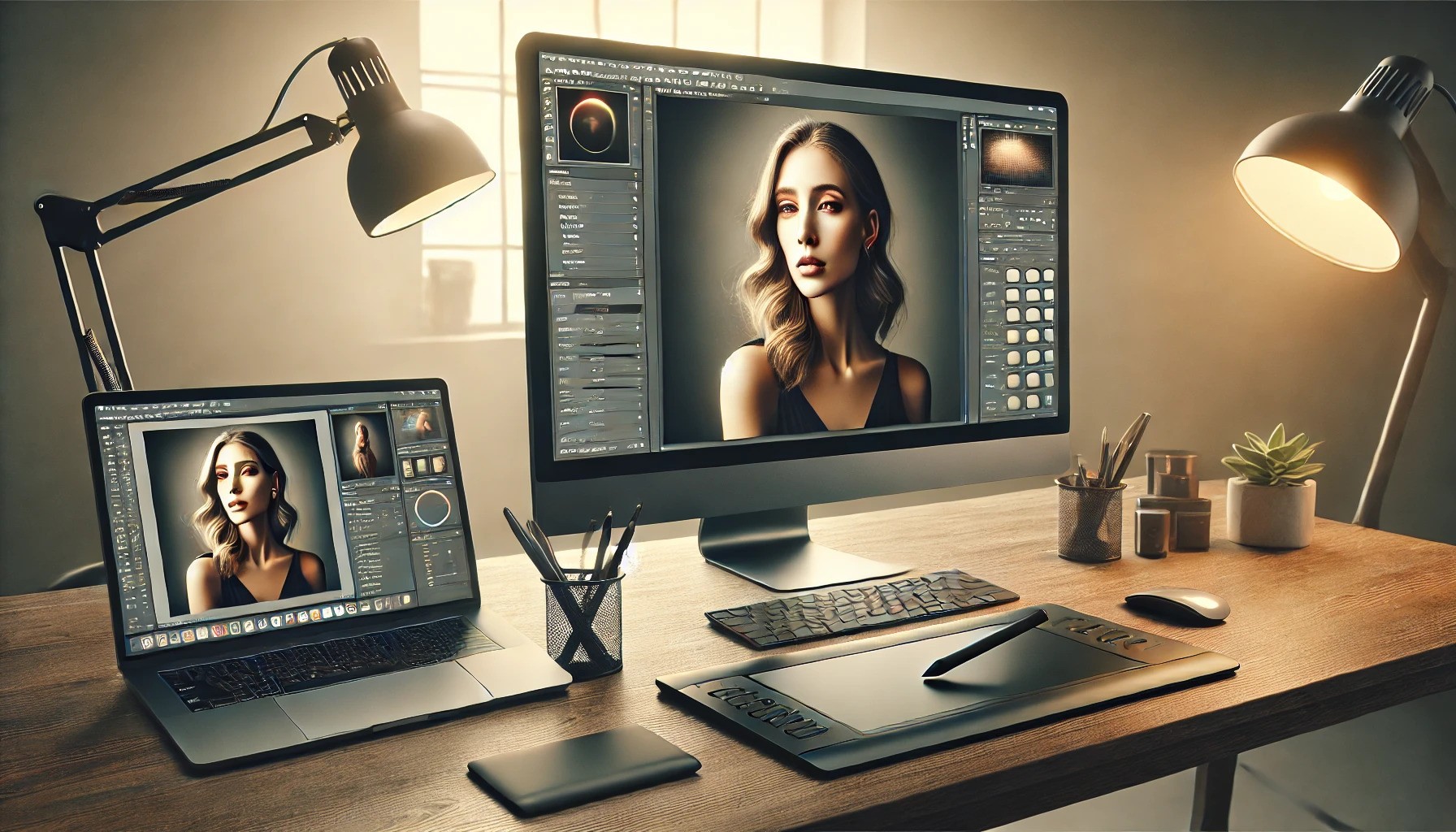
Professional jewelry retouching relies on robust software such as Adobe Photoshop, Lightroom, and Capture One. These tools offer a wide array of features, including layer masking, advanced color correction, and precise selection tools, which are essential for high-end editing.
For instance, Photoshop’s “Clone Stamp” and “Healing Brush” tools are popular for removing imperfections, while Lightroom excels in batch editing for uniform color grading.
Essential Techniques
Photo retouchers use a variety of techniques, including frequency separation to smooth skin while retaining texture, dodge and burn for enhancing highlights and shadows, and color grading for mood enhancement.
A common example is using frequency separation to eliminate blemishes on a model’s skin without compromising natural details like pores and fine hairs, preserving realism while achieving perfection.
The Workflow: Step-by-Step Process
Initial Assessment
Before editing begins, retouchers review the raw images to identify areas that need improvement. This step involves understanding the creative brief and the desired outcome.
For example, an editor may highlight specific requirements, such as brightening the subject’s eyes, refining the background, or enhancing the overall mood of the image.
Layered Editing
Professional retouchers often work in layers, allowing them to make non-destructive adjustments. This includes separate layers for exposure correction, skin retouching, and color grading.
Using layers enables flexibility—if an adjustment doesn’t work as intended, it can easily be altered or removed without affecting the entire image.
Specialized Retouching Areas
Skin and Hair
Skin and hair retouching are integral to portrait and fashion photography. Retouchers remove blemishes, smooth uneven skin tones, and add shine to hair, creating flawless yet realistic results.
For instance, tools like the “Spot Healing Brush” can remove stray hairs, while careful dodging and burning can add dimension and luster to a model’s locks.
Background Enhancement
The background is as important as the subject. Retouchers clean up distracting elements, adjust the depth of field, and enhance the color to make the subject stand out.
For example, a cluttered studio setup might be transformed into a seamless white backdrop to align with a minimalist design aesthetic.
Challenges in Photo Retouching
Balancing Realism and Perfection
One of the most significant challenges is achieving a balance between realism and perfection. Over-retouching can result in unnatural images that lose authenticity, while under-retouching may leave imperfections that distract from the subject.
To address this, professionals focus on enhancing features rather than altering them completely. Subtle adjustments are key to retaining the subject’s character and essence.
Meeting Tight Deadlines
Magazine schedules are often fast-paced, leaving limited time for detailed retouching. Editors and retouchers work closely to prioritize edits that align with publication deadlines without compromising quality.
For instance, minor imperfections might be prioritized for correction, while non-critical elements could be left untouched to save time.

Ethical Considerations
Promoting Authenticity
In recent years, the industry has faced criticism for promoting unrealistic beauty standards through excessive retouching. To counter this, many magazines are embracing authenticity by reducing heavy edits and showcasing diverse body types.
For example, some publications now include disclaimers on retouched images or feature untouched photos to foster transparency and inclusivity.
Responsible Editing
Ethical retouching involves enhancing images while staying true to the subject’s natural appearance. This approach promotes a healthier representation of beauty and ensures credibility with readers.
For instance, light skin retouching to remove temporary blemishes is widely accepted, while altering body proportions is increasingly avoided.
The Role of Collaboration
Working with Photographers
Retouchers collaborate closely with photographers to achieve the intended vision. Photographers provide insights into lighting, composition, and creative direction, which guide the editing process.
For example, a photographer might request a warm, golden tone for a sunset shoot, which the retoucher achieves through precise color grading.
Aligning with Art Directors
Art directors play a crucial role in defining the final look of images. They ensure that retouching aligns with the magazine’s theme, brand identity, and audience expectations.
For instance, an art director might approve or suggest changes to specific edits, such as softening shadows or brightening colors.

The Future of Photo Retouching
AI and Automation
Advancements in AI are revolutionizing photo retouching, enabling faster and more accurate edits. Tools like Adobe’s “Content-Aware Fill” and AI-powered skin smoothing streamline time-consuming tasks.
While AI can handle repetitive edits, the creative touch of human retouchers remains indispensable for achieving nuanced and artistic results.
Shifting Trends
The demand for authenticity is shaping the future of photo retouching. Magazines are increasingly prioritizing natural looks over heavily retouched images, reflecting changing audience preferences.
This shift encourages retouchers to refine their skills in enhancing images subtly, focusing on storytelling rather than perfection.
Conclusion
Photo retouching is an intricate art that transforms images into compelling visuals fit for magazine publication. From enhancing visual appeal to balancing ethics, the process requires a blend of technical expertise and creative vision. As the industry evolves, the focus on authenticity and collaboration will continue to shape this dynamic field, ensuring its relevance in the ever-changing world of media.