

Understanding Multi-Cloud Architecture: A Comprehensive Overview
In today's dynamic digital landscape, businesses are increasingly turning to multi-cloud architecture to enhance their operational efficiency, flexibility, and resilience. Multi-cloud architecture involves the use of multiple cloud computing services from different providers, enabling organizations to leverage the best features and capabilities of each platform. This approach not only mitigates the risks associated with vendor lock-in but also ensures optimal performance and cost-effectiveness.
At its core, multi-cloud architecture is designed to distribute workloads and applications across various cloud environments, such as public, private, and hybrid clouds. By doing so, businesses can achieve a higher level of redundancy, scalability, and disaster recovery. Additionally, multi-cloud architecture allows organizations to tailor their cloud strategy to meet specific business requirements, whether it's data sovereignty, compliance, or unique application needs.
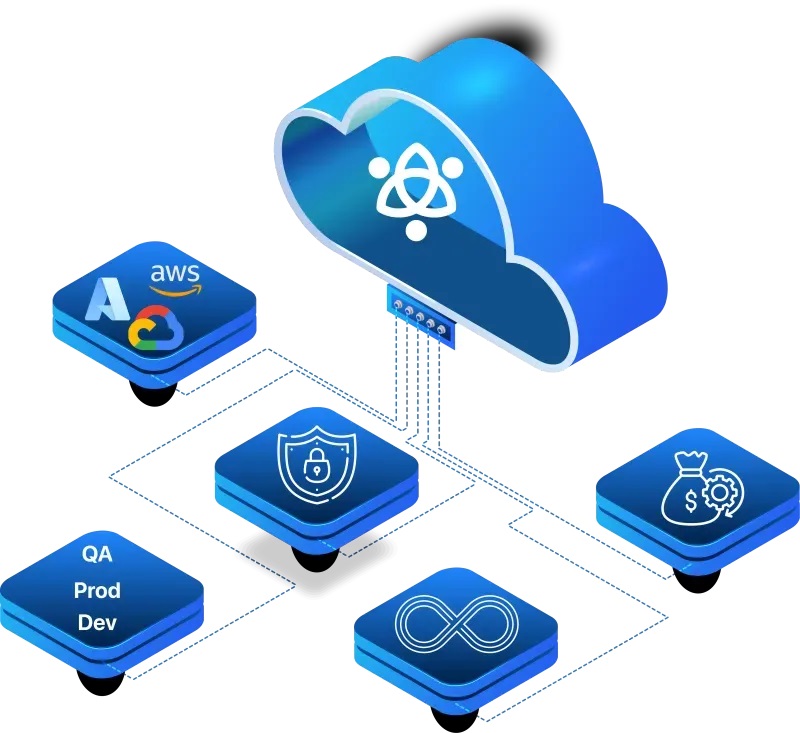
One of the key components of multi-cloud architecture is the use of cloud management platforms (CMPs) and tools that facilitate seamless integration, monitoring, and orchestration of cloud resources. These platforms provide a unified interface for managing multiple cloud environments, enabling IT teams to efficiently deploy, monitor, and optimize their cloud infrastructure. Furthermore, CMPs offer advanced features such as automated provisioning, policy-based governance, and cost management, which are essential for maintaining control and visibility over multi-cloud deployments.
Developing Effective Multi-Cloud Strategies: Best Practices and Considerations
To successfully implement multi-cloud architecture, businesses must develop robust multi-cloud strategies that align with their overall IT and business objectives. A well-defined multi-cloud strategy encompasses several key considerations, including workload placement, data management, security, and compliance.
One of the first steps in developing a multi-cloud strategy is to conduct a thorough assessment of your current IT infrastructure and identify the specific workloads and applications that can benefit from a multi-cloud approach. This involves evaluating factors such as performance requirements, data sensitivity, and regulatory compliance. By understanding the unique needs of each workload, businesses can make informed decisions about which cloud providers and services are best suited for their requirements.
Another critical aspect of multi-cloud strategy is data management. Organizations must establish clear policies and procedures for data storage, transfer, and backup across multiple cloud environments. This includes selecting the appropriate data storage solutions, implementing data encryption, and ensuring data consistency and integrity. Additionally, businesses should consider leveraging data integration and synchronization tools to facilitate seamless data exchange between different cloud platforms.
Security is a paramount concern in multi-cloud deployments, and businesses must implement robust security measures to protect their cloud resources and data. This includes adopting a zero-trust security model, implementing multi-factor authentication, and regularly conducting security assessments and audits. Moreover, organizations should establish a comprehensive incident response plan to quickly address any security breaches or vulnerabilities.
Compliance with industry regulations and standards is another crucial consideration in multi-cloud strategy. Businesses must ensure that their multi-cloud deployments adhere to relevant compliance requirements, such as GDPR, HIPAA, and PCI-DSS. This involves conducting regular compliance audits, maintaining detailed records of cloud activities, and implementing necessary controls to safeguard sensitive data.
Implementing Multi-Cloud Deployments: Step-by-Step Guide
Once a solid multi-cloud strategy is in place, businesses can proceed with the implementation of multi-cloud deployments. This process involves several key steps, including planning, provisioning, and monitoring.
The first step in implementing multi-cloud deployments is to develop a detailed deployment plan that outlines the specific tasks, timelines, and resources required for the project. This plan should include a clear definition of the objectives, scope, and success criteria for the deployment. Additionally, businesses should establish a cross-functional team comprising IT, security, and business stakeholders to oversee the deployment process and ensure alignment with organizational goals.
Next, businesses must provision the necessary cloud resources and services from their chosen cloud providers. This involves setting up cloud accounts, configuring network connectivity, and deploying the required infrastructure components, such as virtual machines, storage, and databases. Organizations should also leverage infrastructure-as-code (IaC) tools to automate the provisioning process and ensure consistency across different cloud environments.
Once the cloud resources are provisioned, businesses can begin migrating their workloads and applications to the multi-cloud environment. This involves performing thorough testing and validation to ensure that the applications function correctly and meet performance expectations. Organizations should also implement robust monitoring and logging solutions to track the performance and health of their multi-cloud deployments in real-time.
Continuous optimization is essential for maintaining the efficiency and effectiveness of multi-cloud deployments. Businesses should regularly review their cloud usage and costs, identify areas for improvement, and implement necessary optimizations. This may include rightsizing cloud resources, leveraging reserved instances, and implementing cost management tools to track and control cloud spending.
Ensuring Seamless Multi-Cloud Deployments: Proven Methodologies for Success
Achieving seamless multi cloud deployments requires a combination of strategic planning, effective implementation, and ongoing management. By following proven methodologies and best practices, businesses can maximize the benefits of multi-cloud architecture and ensure optimal results.
One of the key methodologies for seamless multi-cloud deployments is the adoption of a cloud-agnostic approach. This involves designing applications and workloads to be independent of any specific cloud provider, enabling businesses to easily switch between different cloud environments as needed. By leveraging containerization and microservices architecture, organizations can achieve greater flexibility and portability for their applications.
Another important methodology is the implementation of robust cloud governance frameworks. This includes establishing clear policies and procedures for cloud usage, access control, and resource management. By implementing governance frameworks, businesses can ensure compliance with industry standards and regulations, as well as maintain control over their multi-cloud deployments.
Automation plays a crucial role in achieving seamless multi-cloud deployments. By leveraging automation tools and frameworks, businesses can streamline repetitive tasks, reduce the risk of human error, and improve overall efficiency. This includes automating infrastructure provisioning, application deployment, and monitoring processes.
Effective communication and collaboration are also essential for successful multi-cloud deployments. Businesses should establish clear communication channels and collaboration tools to facilitate coordination between different teams and stakeholders. This includes conducting regular meetings, sharing updates, and providing training and support to ensure that all team members are aligned with the multi-cloud strategy.
Maximizing the Benefits of Multi-Cloud Deployments: Key Takeaways
multi-cloud deployments offer numerous benefits for businesses, including enhanced flexibility, scalability, and resilience. By following proven methodologies and best practices, organizations can achieve seamless multi-cloud deployments and maximize the value of their cloud investments.
Key takeaways for achieving successful multi-cloud deployments include:
- Understanding the fundamentals of multi-cloud architecture and its key components
- Developing robust multi-cloud strategies that align with business objectives
- Implementing a detailed deployment plan and provisioning necessary cloud resources
- Ensuring continuous optimization and monitoring of multi-cloud deployments
- Adopting cloud-agnostic approaches and robust governance frameworks
- Leveraging automation tools and frameworks to streamline processes
- Fostering effective communication and collaboration among team members
By adhering to these key takeaways, businesses can successfully navigate the complexities of multi-cloud deployments and achieve optimal results for their organization.