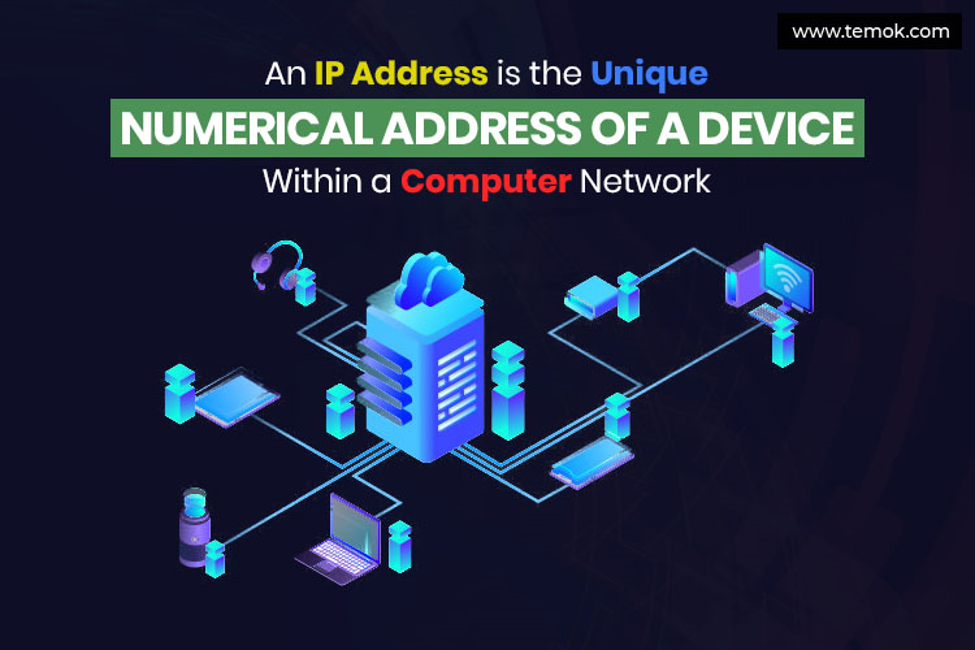
Networking forms the backbone of today’s interconnected digital world. From social media platforms to large-scale enterprise systems, networking enables seamless communication, resource sharing, and data transfer. But what exactly is networking, and why is it so crucial? This article explores the fundamentals of networking, its types, components, and how it impacts various aspects of modern life.
What is Network?
Networking refers to the process of connecting computers, devices, or systems to share resources, information, and data. At its core, it allows devices to communicate and collaborate efficiently, regardless of their physical location. Networking can range from small-scale setups like home Wi-Fi to complex global systems like the internet.
Also Read:- What Is the Full Form of SOC in Cyber Security?
IPv4 vs. IPv6: What Are the Key Technical Differences?
CCNA Course Fees And Certification Costs in India 2024
Types of Networks
Networks are categorized based on their scale, purpose, and configuration. Here are some of the most common types:
1. Local Area Network (LAN)
2. Wide Area Network (WAN)
3. Metropolitan Area Network (MAN)
4. Wireless Networks (WLAN)
5. Virtual Private Network (VPN)
Key Components of Networking
A network is built using various components, each playing a crucial role in its functionality:
Importance of Networking
Networking is vital for personal, professional, and organizational growth. Here’s why:
1. Improved Communication
Networking enables instant communication through emails, messaging apps, and video calls, fostering collaboration.
2. Resource Sharing
Networks allow sharing of hardware (like printers) and software (like applications) across multiple devices, reducing costs.
3. Data Sharing and Storage
Centralized data storage on servers simplifies data access and management for organizations.
4. Remote Work and Learning
Networking makes remote work, e-learning, and telemedicine possible by connecting users globally.
Applications of Networking
Networking finds applications in various fields:
Future of Networking
With advancements like 5G, Internet of Things (IoT), and cloud computing, the future of networking is exciting. Emerging trends include:
Conclusion
Networking is the lifeline of modern technology, connecting people and devices in ways once unimaginable. Whether you're setting up a home network, managing corporate systems, or exploring career opportunities in networking, understanding its fundamentals is essential.
For more insights into networking, its components, and career paths, explore courses and resources that delve deeper into this exciting field. Networking is not just about connecting devices; it’s about connecting the world.